
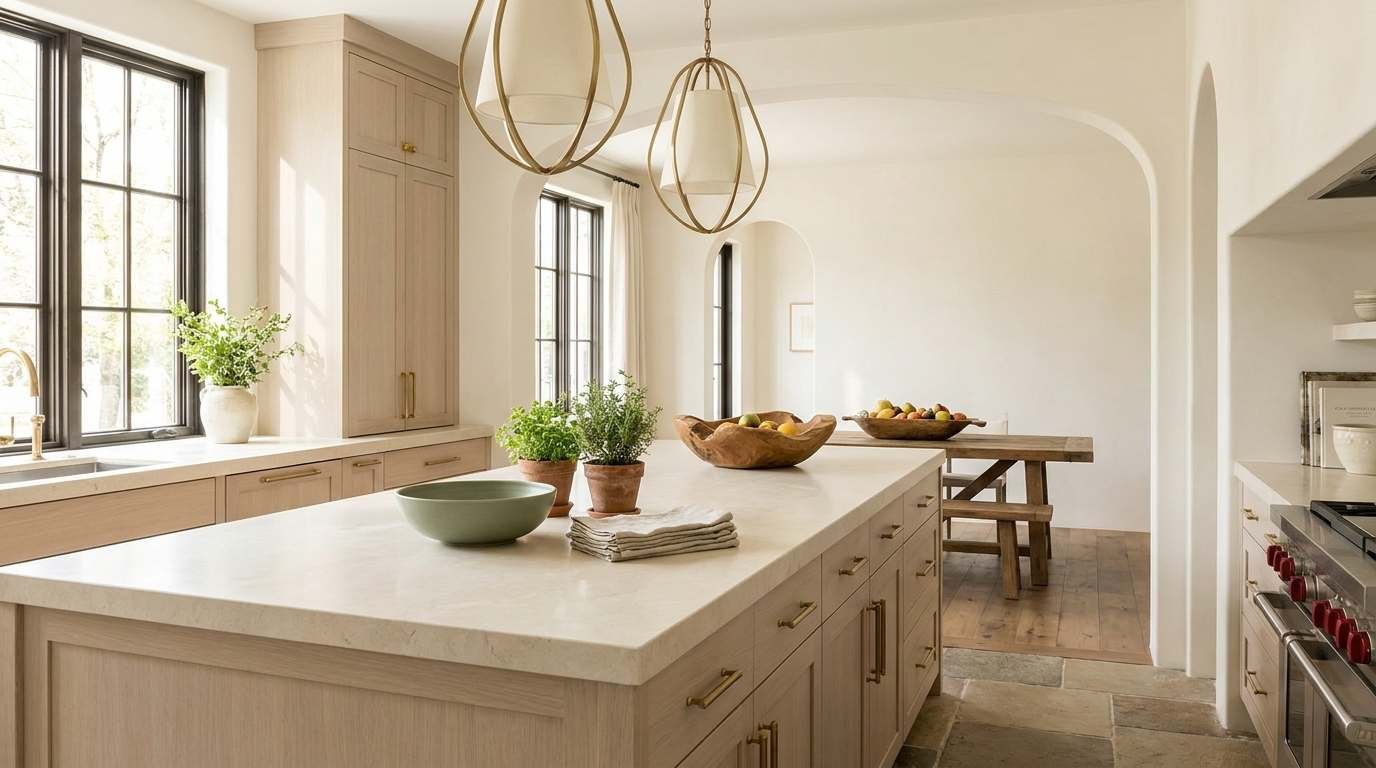

Natural wood is having a major moment in kitchen design, but the appeal goes beyond a passing trend. Wood brings warmth, texture, visual depth, and a sense of craftsmanship that painted cabinetry can struggle to replicate.
In 2026, wood cabinetry has moved firmly into the mainstream of kitchen renovation. Houzz’s 2026 U.S. Kitchen Trends Study reports that wood is now the most popular cabinet color in renovated kitchens, selected by 29% of homeowners compared with 28% for white.
That doesn’t mean every kitchen needs dark walnut cabinets or a rustic farmhouse look. Today’s natural wood kitchen ideas range from light Scandinavian-inspired spaces to sophisticated walnut kitchens, modern wood-and-white combinations, and warm kitchens that mix timber with stone, metal, tile, and painted cabinetry.
The secret is choosing the right wood tone and then giving it enough contrast and texture to feel intentional.
Whether you’re remodeling an entire kitchen or simply looking for ways to introduce more warmth, these 25+ natural wood kitchen ideas can help you create a space that feels modern, welcoming, and timeless.
Table of Contents
Quick Answer: Are Natural Wood Kitchens Still in Style?
Yes. Natural wood kitchens are especially relevant in 2026, with wood cabinetry overtaking white as the leading cabinet color in Houzz’s latest U.S. kitchen trends data.
The modern interpretation is very different from the orange oak kitchens associated with some earlier decades. Today’s designs tend to emphasize visible grain, lighter oak, walnut, refined stains, clean cabinet profiles, and combinations with stone, warm whites, muted greens, and sophisticated metal finishes.
The goal isn’t simply to add more wood. It’s to use wood as one layer in a balanced material palette.
25+ Natural Wood Kitchen Ideas to Try
1. Choose Natural Wood Kitchen Cabinets
The most direct way to introduce warmth is through natural wood kitchen cabinets.
Rather than covering the grain with opaque paint, choose a finish that allows the natural character of the wood to remain visible. Oak, walnut, and other wood veneers can create very different moods depending on their tone, grain, and finish.
For a contemporary kitchen, look for:
- Clean slab or slim-Shaker doors
- Visible but controlled grain
- Matte or low-sheen finishes
- Warm neutral tones
- Minimal decorative detailing
- Consistent grain direction
Modern wood cabinetry is increasingly being used for its tactile quality and material authenticity rather than simply as a traditional alternative to painted cabinets.
Design tip: Let the wood be the star. If your cabinetry has dramatic grain, keep some surrounding finishes quieter.
2. Try a Light Oak Kitchen
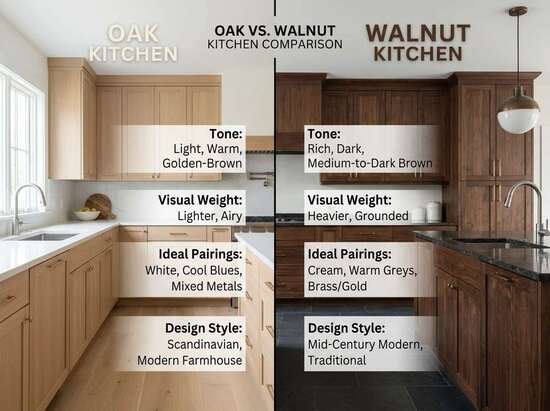
Oak is one of the easiest woods to work into a modern kitchen because its lighter appearance can make cabinetry feel warm without visually overwhelming the room.
Oak kitchen ideas work particularly well with:
- Cream countertops
- Warm white walls
- Soft beige flooring
- Brushed metal hardware
- Natural stone
- Sage green accents
- Simple black details
White oak and rift-cut oak are particularly popular in contemporary kitchen design because they can provide texture while maintaining a relatively clean appearance.
If you’re worried that wood cabinetry will make a kitchen feel dark, light oak is one of the safest starting points.
3. Go Sophisticated With Walnut
For a richer and more dramatic look, consider walnut.
Walnut kitchen ideas work beautifully in larger kitchens, but they can also be used strategically in smaller spaces.
Try walnut for:
- An island
- Tall pantry cabinets
- A range wall
- Floating shelves
- A built-in coffee station
- A sideboard
- Lower cabinets
Walnut pairs especially well with creamy stone, brushed brass, matte black, and soft neutral walls.
The key: Don’t automatically assume dark wood needs a dark kitchen. A walnut island against light cabinetry and a bright countertop can create beautiful contrast without making the entire room feel heavy.
4. Combine Wood and White Cabinets
Wood and white kitchen ideas remain one of the easiest ways to create balance.
The combination works because white provides visual brightness while wood introduces warmth and texture.
You could use:
- White upper cabinets + wood lower cabinets
- Wood island + white perimeter cabinets
- White cabinets + wood pantry wall
- Wood cabinets + white backsplash
- White cabinetry + walnut accents
This is also a smart approach if you love natural wood but don’t want the entire kitchen covered in timber.
Best practice: Choose a warm white rather than an icy white when pairing it with warm wood.
5. Pair Wood With Sage Green
Wood and sage green kitchens create a softer, nature-inspired palette.
Sage works particularly well with light and medium wood tones because both colors have an organic quality.
Try:
White oak + sage green + cream stone
or
Walnut + muted sage + warm white
or
Natural oak + dusty sage + aged brass
Use sage on lower cabinets, an island, a pantry wall, or even a small accent zone rather than forcing it throughout the entire room.
6. Create a Modern Natural Wood Kitchen
A modern natural wood kitchen doesn’t need to be minimalist to the point of feeling cold.
Instead, focus on clean proportions and carefully selected materials.
A strong combination might include:
- Flat-panel oak cabinets
- Simple stone countertops
- Integrated appliances
- Minimal hardware
- Large-format backsplash
- Sculptural pendant lighting
- One or two decorative elements
Current kitchen design is moving toward warmer, more tactile interpretations of modernism rather than purely stark minimalism.
7. Make the Natural Wood Kitchen Island the Focal Point
A natural wood kitchen island can add warmth without requiring wood cabinetry throughout the entire kitchen.
For example:
Cream cabinets + oak island + stone countertop
creates a sophisticated contrast without being overly dramatic.
For a richer look:
Warm white cabinets + walnut island + creamy quartz or natural stone
The island can also combine several functions:
- Food preparation
- Seating
- Storage
- Display
- Beverage service
Just avoid making the island unnecessarily large. A beautiful island should improve the kitchen’s workflow, not obstruct it.
8. Use a Wood Range Hood
A wood range hood can connect the upper and lower portions of a kitchen while making the cooking area feel architectural.
Options include:
- Matching wood cabinetry
- Slatted wood
- Wood veneer
- Painted-and-wood combinations
- Simple boxed forms
- Curved or sculptural designs
A particularly refined approach is to use the same wood tone on the hood and island while keeping the surrounding cabinetry lighter.
Current design thinking is also moving toward range hoods that are more proportionate and integrated into the kitchen rather than oversized features that dominate the room.
9. Add Wood Shelving
If replacing your cabinets isn’t realistic, wood shelving is one of the easiest ways to introduce natural material.
Use one or two shelves for:
- Ceramics
- Cookbooks
- Glassware
- Small plants
- Wooden bowls
- Everyday dishes
Avoid filling every shelf with decorative objects.
The best wood shelving usually has some negative space around the displayed pieces, allowing the material itself to remain visible.
10. Choose a Wood and Stone Combination
One of the most effective wood kitchen backsplash combinations is to pair warm cabinetry with a quieter stone surface.
For example:
| Wood | Stone/Backsplash | Overall Feel |
|---|---|---|
| White oak | Cream stone | Light and relaxed |
| Natural oak | Beige stone | Warm and organic |
| Walnut | Ivory stone | Sophisticated |
| Medium oak | Soft gray stone | Contemporary |
| Dark walnut | Light marble-look surface | Dramatic |
If the wood grain is strong, avoid competing with it using an extremely busy countertop.
11. Try Wood and Marble-Look Surfaces
Wood and pale stone create a particularly luxurious combination.
Think:
Warm oak + creamy veined stone
or
Walnut + ivory marble-look countertop
The contrast between organic grain and mineral veining creates visual interest without requiring multiple colors.
This is especially effective in kitchens where you want a high-end appearance without relying on excessive decoration.
12. Use Wood With a White Backsplash
A white backsplash can keep natural wood cabinets looking fresh and bright.
Good options include:
- Warm white ceramic tile
- Cream subway tile
- Handmade-look tile
- White stone slab
- Soft ivory tile
- Textured white ceramic
Avoid automatically choosing a brilliant blue-white backsplash if your wood has strong golden or warm undertones. The temperature mismatch can make the cabinetry look more yellow than intended.
13. Add Warm Wood Kitchen Designs With Texture
A kitchen can contain plenty of wood and still feel visually flat if every surface has the same texture.
Create contrast through:
- Smooth cabinetry
- Rougher ceramic
- Veined stone
- Ribbed glass
- Woven textiles
- Aged metal
- Matte finishes
- Natural greenery
Texture is particularly important in neutral kitchens because it adds depth without relying on strong color.
14. Introduce Natural Wood Kitchen Decorating Ideas
You don’t need to remodel to embrace the wood kitchen look.
Try smaller decorative additions such as:
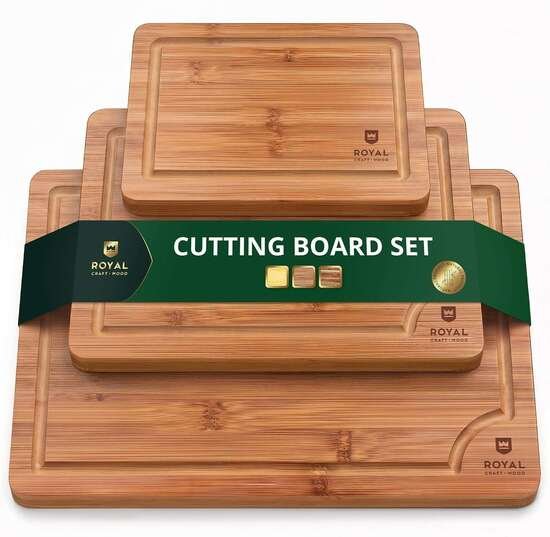
- Large wooden cutting boards
- Wood-framed artwork
- Wooden serving bowls
- Natural stools
- Woven baskets
- Wood trays
- Timber shelves
- Small wood accessories
The goal is repetition without overdoing it.
If you already have wood cabinets, avoid turning every accessory into another shade of brown. Introduce ceramics, stone, linen, greenery, and metal to create contrast.
15. Choose Natural Wood Kitchen Hardware Carefully
Hardware can either modernize or date a wood kitchen.
For a contemporary look, consider:
- Brushed brass
- Aged brass
- Brushed nickel
- Matte black
- Bronze
- Stainless steel
The right choice depends on the wood tone.
Light oak: brass, black, nickel, or bronze can work.
Walnut: brass, bronze, black, and brushed nickel can create strong contrast.
Medium warm oak: aged brass and darker metals often complement the warmth.
Rather than matching every metal perfectly, establish one dominant finish and one secondary finish.
16. Pair Wood Cabinets With Brass
Wood and brass create a warm, classic combination.
For a refined look, use brass on:
- Cabinet pulls
- Faucet
- Pendant lights
- Sconces
- Small decorative details
If both the wood and brass are strongly warm, keep the surrounding surfaces relatively restrained.
Designer trick: Repeat the brass in at least two or three locations so it looks intentional rather than accidental.
17. Add Black Accents to a Wood Kitchen
Black provides useful contrast against natural wood.
Consider:
- Black window frames
- Matte black hardware
- Black pendant lights
- Black stools
- Dark faucet
- Black-framed glass doors
This works especially well in modern kitchens where you want the wood to feel architectural rather than rustic.
Keep black accents controlled. Too much black can overpower lighter wood.
18. Use a Natural Wood Kitchen Island With Painted Cabinets
You don’t have to choose between a wood kitchen and a painted kitchen.
One of the most versatile combinations is:
Painted perimeter cabinets + natural wood island.
For example:
- Cream + white oak
- Warm white + walnut
- Sage green + oak
- Taupe + walnut
- Soft gray + natural oak
This creates a natural focal point while preventing the kitchen from becoming visually repetitive.
19. Mix Different Wood Tones Carefully
Mixing wood tones can work, but it requires more planning than using one dominant wood.
A useful strategy is:
One dominant wood + one secondary wood + neutral surroundings.
For example:
- White oak cabinetry
- Walnut stools
- Cream walls
- Stone countertops
The different tones become accents rather than competing focal points.
Avoid introducing three or four unrelated wood colors. That can make the kitchen feel assembled rather than designed.
20. Make a Small Kitchen Feel Warmer With Wood
Wood can work beautifully in small kitchens, but proportion matters.
Instead of using dark wood everywhere, consider:
- Light oak cabinets
- One wood accent wall
- A small wood island
- Floating shelves
- Wood stools
- Natural wood accessories
Keep the surrounding palette relatively cohesive.
A small kitchen generally benefits from fewer competing finishes, so choose one wood tone and repeat it consistently.
21. Use Wood With Warm White
Warm wood kitchen designs look particularly elegant when paired with creamy whites.
Think:
White oak + warm white + brushed brass
This combination creates a soft, sophisticated palette without becoming overly trendy.
Warm white also helps avoid the harsh contrast that can happen when yellow-toned wood is paired with a very cool white.
22. Create a Scandinavian-Inspired Wood Kitchen
For a Scandinavian-inspired look, keep the palette simple.
Use:
- Pale oak
- Warm white
- Light stone
- Simple pendant lighting
- Minimal hardware
- Natural textiles
- Functional accessories
The result should feel bright, practical, and calm rather than overly decorated.
23. Create an Organic Modern Wood Kitchen
For an organic modern kitchen, combine natural wood with materials that have subtle irregularities and earthy character.
Consider:
- White oak or walnut
- Honed stone
- Handmade-look tile
- Linen
- Ceramic
- Aged brass
- Soft curves
- Greenery
This approach works especially well if you want a kitchen to feel connected to nature without becoming rustic.
24. Use Wood as an Accent Instead of the Whole Kitchen
If you’re uncertain about committing to natural wood cabinetry, start small.
You could introduce:
- A wood island
- A pantry cabinet
- Floating shelves
- A built-in coffee station
- A wood range hood
- A sideboard
- A breakfast nook
This approach allows you to get the warmth of natural material without making every cabinet part of the same finish.
25. Add Wood Bar Stools
Bar stools are an easy way to reinforce the natural material palette.
For a modern kitchen, choose stools with:
- Simple silhouettes
- Natural oak
- Walnut
- Woven seats
- Leather details
- Minimal metal frames
If the kitchen already contains substantial wood cabinetry, consider stools in a contrasting material so the room doesn’t become too visually uniform.
26. Bring in Greenery
Plants and natural wood are an effortless pairing.
Try:
- Fresh herbs
- Olive branches
- Small potted plants
- Seasonal flowers
- Trailing greenery
Greenery can soften the hard surfaces of cabinetry, stone, and tile while reinforcing the kitchen’s natural aesthetic.
Natural Wood Kitchen Ideas by Wood Type
Choosing the right species or wood look is one of the most important decisions.
| Wood Type | Visual Character | Best Pairings |
| White oak | Light, clean, visible grain | Warm white, sage, cream |
| Walnut | Rich, deep, sophisticated | Ivory, brass, black |
| Natural oak | Warm and versatile | Beige, white, bronze |
| Ash | Pale and subtle | Soft neutrals, black |
| Maple | Smooth and light | Cream, muted colors |
| Dark wood | Dramatic and intimate | Light stone, warm white |
The exact appearance also depends on the cut, veneer, stain, finish, lighting, and surrounding materials. Two kitchens using the same wood species can look dramatically different.
How to Choose Between Oak and Walnut
If you’re deciding between oak kitchen ideas and walnut kitchen ideas, think about the atmosphere you want.
Choose Oak If You Want:
- A brighter kitchen
- A lighter visual footprint
- Scandinavian influence
- Organic modern style
- A versatile neutral base
- A more casual appearance
Choose Walnut If You Want:
- Richer color
- More contrast
- A luxurious atmosphere
- A dramatic island
- A sophisticated contemporary look
- A deeper, moodier palette
Neither is universally better. The best choice depends on room size, natural light, flooring, countertops, and the atmosphere you want to create.
How to Style a Natural Wood Kitchen Without Making It Rustic
This is one of the biggest concerns people have about wood cabinetry.
The answer is to control the surrounding details.
For a modern look:
- Use simple cabinet profiles.
- Choose a refined wood finish.
- Avoid excessive distressed decoration.
- Pair wood with stone.
- Keep accessories edited.
- Use contemporary lighting.
- Introduce one or two contrasting metals.
Natural wood doesn’t automatically mean farmhouse or rustic. The cabinet profile, grain treatment, hardware, lighting, and surrounding materials determine the overall style.
Best Countertop Combinations for Natural Wood Cabinets
The countertop can completely change the personality of a wood kitchen.
Light Wood + Cream Countertop
Creates a soft, seamless appearance.
Light Wood + Dark Countertop
Creates stronger contrast and a more dramatic modern look.
Walnut + Ivory Countertop
Creates an elegant, high-end appearance.
Medium Oak + Beige Stone
Creates a warm organic palette.
Wood + Veined Stone
Creates a sophisticated combination of natural grain and mineral pattern.
Tip: Always look at cabinet and countertop samples together under the actual lighting conditions of your kitchen.
How to Choose a Backsplash for Wood Cabinets
The best backsplash depends on how much visual activity your wood already provides.
If the wood grain is dramatic:
Choose a quieter backsplash.
If the wood is very simple:
A textured or patterned backsplash can add interest.
If the kitchen is small:
A light backsplash can help maintain visual openness.
If the kitchen feels too neutral:
Use the backsplash as the opportunity to introduce color.
Good combinations include:
- Oak + warm white tile
- Oak + sage tile
- Walnut + ivory stone
- Walnut + beige ceramic
- Natural wood + muted green tile
- Wood + handmade-look cream tile
Common Natural Wood Kitchen Mistakes to Avoid
1. Using Too Many Wood Tones
A mixture of oak, walnut, cherry, and several flooring tones can quickly become chaotic.
2. Choosing a Finish Without Considering Light
Wood changes dramatically depending on daylight and artificial lighting.
3. Pairing Warm Wood With Extremely Cool White
The temperature difference can make the wood appear more yellow or orange.
4. Making Everything Wood
Wood cabinetry, wood countertops, wood walls, wood shelves, wood stools, and wood accessories can become visually overwhelming.
5. Overdecorating the Cabinets
Natural grain already provides visual interest. You don’t need dozens of decorative accessories.
6. Choosing Wood Only Because It’s Trending
A kitchen should last longer than a trend cycle. Choose a finish you genuinely like and can live with for years.
7. Ignoring the Existing Floor
The floor is one of the largest surfaces in the room. Its wood tone should be considered alongside the cabinetry rather than as an afterthought.
A Simple Formula for Designing a Natural Wood Kitchen
If you’re overwhelmed by all the choices, use this formula:
1 dominant wood + 1 light neutral + 1 contrasting material + 1 metal finish + 1 natural accent.
For example:
White oak + warm white + creamy stone + aged brass + greenery
Or:
Walnut + ivory + honed stone + black hardware + ceramic accents
This prevents the design from becoming either too plain or too busy.
Are Natural Wood Kitchens Timeless?
Natural wood has strong staying power because it is a material rather than a highly specific decorative trend.
However, not every wood kitchen will look timeless.
A kitchen is more likely to age well when it uses:
- Simple cabinet profiles
- Natural-looking finishes
- Quality materials
- Balanced proportions
- Restrained hardware
- Classic stone or neutral surfaces
- Personal rather than trend-heavy decoration
Current 2026 kitchen design is clearly moving toward warmer, more tactile materials, but that doesn’t mean you should select the most fashionable wood finish available.
Choose a combination that still feels right when the trend cycle changes.
Natural Wood Kitchen Decorating Checklist
Before finalizing your design, ask:
- Does the wood tone work with my flooring?
- Does it look good in both daylight and artificial light?
- Is there enough contrast around the cabinetry?
- Am I using too many different wood tones?
- Does the countertop complement the grain?
- Is the backsplash too busy?
- Do the hardware finishes repeat elsewhere?
- Does the island need to contrast with the perimeter cabinets?
- Is there enough open workspace?
- Have I left room for personality without creating clutter?
If you can answer these questions confidently, your design is much more likely to feel cohesive.
Key Takeaways
- Natural wood kitchen ideas are especially relevant in 2026, with wood now leading white as the most popular cabinet color in Houzz’s U.S. renovation data.
- White oak is an excellent choice for bright, modern, organic, and Scandinavian-inspired kitchens.
- Walnut creates a richer and more dramatic appearance.
- Wood and white kitchens provide an easy balance of warmth and brightness.
- Wood and sage green create a soft, nature-inspired palette.
- A natural wood kitchen island can introduce warmth without requiring all-wood cabinetry.
- Stone, tile, metal, ceramics, and textiles help prevent a wood kitchen from feeling visually flat.
- Choose one dominant wood tone and repeat it intentionally.
- Warm whites generally complement warm wood better than stark cool whites.
- Natural wood doesn’t automatically mean rustic; cabinet profiles and surrounding materials determine the style.
- The most timeless kitchens prioritize proportion, quality, and personal taste over short-lived trends.
Frequently Asked Questions
Are natural wood kitchens still popular in 2026?
Yes. Natural wood cabinetry is particularly strong in 2026. Houzz’s 2026 U.S. Kitchen Trends Study found that wood was selected for 29% of renovated kitchen cabinets, slightly ahead of white at 28%.
What is the best wood for a modern kitchen?
White oak is a popular choice for modern kitchens because its relatively light tone and visible grain work well with clean cabinetry, warm neutrals, stone, and contemporary hardware. Walnut is another strong option when a richer, more dramatic look is desired.
Are oak kitchen cabinets coming back?
Oak has returned in a more refined form. Contemporary kitchens tend to emphasize natural grain, lighter finishes, cleaner profiles, and more controlled color than the heavily orange or glossy oak cabinetry associated with some older kitchen styles.
What colors go well with natural wood kitchen cabinets?
Warm white, cream, sage green, beige, muted blue, soft taupe, black, and earthy neutrals can all work well with natural wood. The best choice depends on the wood’s undertone and the amount of natural light in the kitchen.
What countertop goes best with natural wood cabinets?
Cream, ivory, beige, and softly veined stone are versatile choices. Dark countertops can create dramatic contrast, while light countertops generally produce a brighter and more relaxed kitchen.
Can you mix white and natural wood kitchen cabinets?
Absolutely. Wood and white kitchen designs are one of the easiest ways to balance warmth with brightness. Try wood lower cabinets with white uppers, a wood island with white perimeter cabinetry, or a walnut pantry wall against warm white cabinets.
What hardware looks best with wood kitchen cabinets?
Brass, bronze, black, brushed nickel, and stainless steel can all work. The best choice depends on the wood tone and the rest of the kitchen. Repeating the chosen finish throughout the room usually creates a more cohesive result.
How do you make a wood kitchen look modern?
Use simple cabinet profiles, restrained decoration, contemporary lighting, refined hardware, stone surfaces, and a limited material palette. Avoid excessive distressed finishes and overly themed rustic accessories.
Leave a Reply