
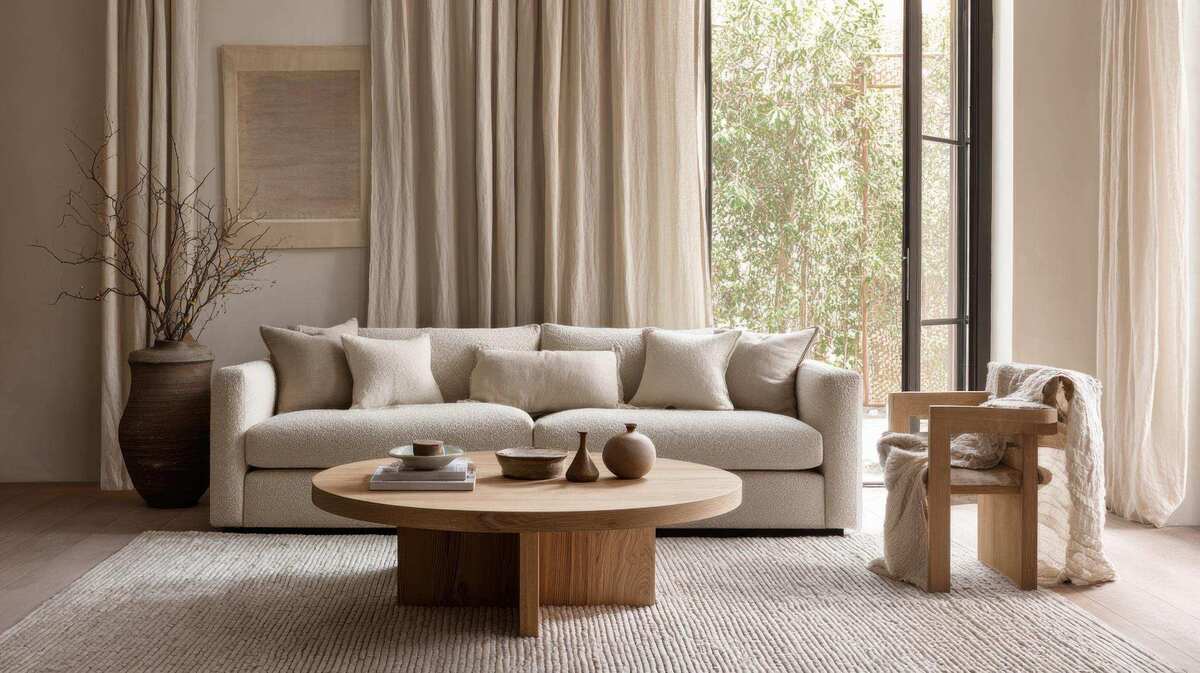

The living room is one of the most important spaces in any home. It is where we relax after a long day, welcome guests, spend time with family, and express our personal style through furniture, colors, textures, and carefully chosen accessories. The right decoration ideas for living room spaces can transform even an ordinary room into a welcoming, functional, and visually balanced environment.
Creating a beautiful living room does not necessarily require expensive furniture or a complete renovation. Sometimes, rearranging existing pieces, introducing warmer lighting, adding natural materials, or choosing a more cohesive color palette can make a remarkable difference. The secret is to combine comfort with thoughtful design, ensuring that every element contributes to the overall atmosphere.
Whether we prefer modern minimalism, cozy farmhouse interiors, Scandinavian simplicity, or timeless elegance, we can create a living room that reflects our lifestyle while making the most of the available space.
Table of Contents
1. Choose a Cohesive Living Room Color Palette
Color establishes the mood of a living room before we notice any individual furniture piece or decorative accessory. A coordinated palette creates visual harmony, making the space feel intentional rather than cluttered.
Neutral colors remain a versatile starting point. Shades of warm white, beige, cream, taupe, and soft gray provide a calm backdrop that works with different decorating styles. These tones also make it easier to introduce seasonal accents without replacing major furniture pieces.
For a sophisticated interior, we can combine warm white walls with a beige sofa, natural oak furniture, and subtle black accents. This combination creates contrast without overwhelming the room.
Those who prefer more personality can introduce muted green, terracotta, dusty blue, or deep burgundy through cushions, artwork, curtains, and decorative objects.
A useful approach is to follow the 60-30-10 color rule as a flexible guideline:
- 60% dominant color: Walls, large rugs, and other major surfaces.
- 30% secondary color: Sofas, accent chairs, curtains, or substantial furniture.
- 10% accent color: Cushions, decorative accessories, artwork, and smaller details.
The proportions do not need to be exact. What matters is creating a consistent visual relationship between the main colors and the accents.
2. Arrange Furniture for Comfort and Conversation
Furniture arrangement influences how a living room looks and how comfortably we use it. Even beautiful furniture can make a room feel awkward when the seating is poorly positioned or walkways are blocked.
Rather than pushing every piece against the walls, we should consider how people will move through the space and interact with one another.
In a larger living room, a sofa paired with two accent chairs can create an inviting conversation area. A coffee table in the center provides a convenient surface for books, drinks, and decorative objects.
In a smaller room, a compact sofa, a lightweight side table, and a single accent chair may provide sufficient seating without making the space feel crowded.
Practical furniture arrangement tips:
- Leave comfortable pathways between furniture and doorways.
- Position seating so people can converse without turning awkwardly.
- Keep the coffee table within easy reach of the sofa.
- Avoid oversized furniture that overwhelms the room.
- Use the natural focal point, such as a fireplace, window, or television wall, to guide the layout.
For open-plan homes, furniture can also define separate zones. A sofa positioned with its back toward the dining area, for example, creates a subtle division without requiring walls or bulky partitions.
3. Add Texture to Create a Cozy Living Room
A room decorated entirely in similar colors can still feel flat if every surface has the same texture. Layering different materials introduces depth, warmth, and visual interest without requiring bold patterns or bright colors.
We can combine linen curtains, a soft wool rug, velvet cushions, a knitted throw, and a natural wood coffee table to create a comfortable environment. Each material contributes a different tactile quality while maintaining a coordinated appearance.
Natural textures are especially effective in neutral living rooms. Rattan baskets, woven lampshades, ceramic vases, and stone accessories add subtle variation to understated interiors.
For a modern living room, we might pair a smooth leather sofa with a textured rug and a sculptural wooden side table. The contrast prevents the design from feeling overly polished or impersonal.
The key is to introduce variety while maintaining balance. Too many competing textures can make the room appear busy, so we should repeat a few materials throughout the space to establish continuity.
4. Use Lighting to Change the Atmosphere
Lighting is one of the most effective yet frequently overlooked living room decoration ideas. A single overhead light may provide general illumination, but it rarely creates the warmth and flexibility needed for a comfortable living environment.
A layered lighting scheme combines different light sources for different purposes.
Ambient lighting provides overall illumination through ceiling fixtures, recessed lights, or well-positioned pendants.
Task lighting supports specific activities, such as reading or working. Floor lamps beside sofas and table lamps near reading chairs are practical options.
Accent lighting highlights artwork, architectural details, shelves, or decorative objects. Wall sconces and discreet picture lights can add depth to an otherwise simple room.
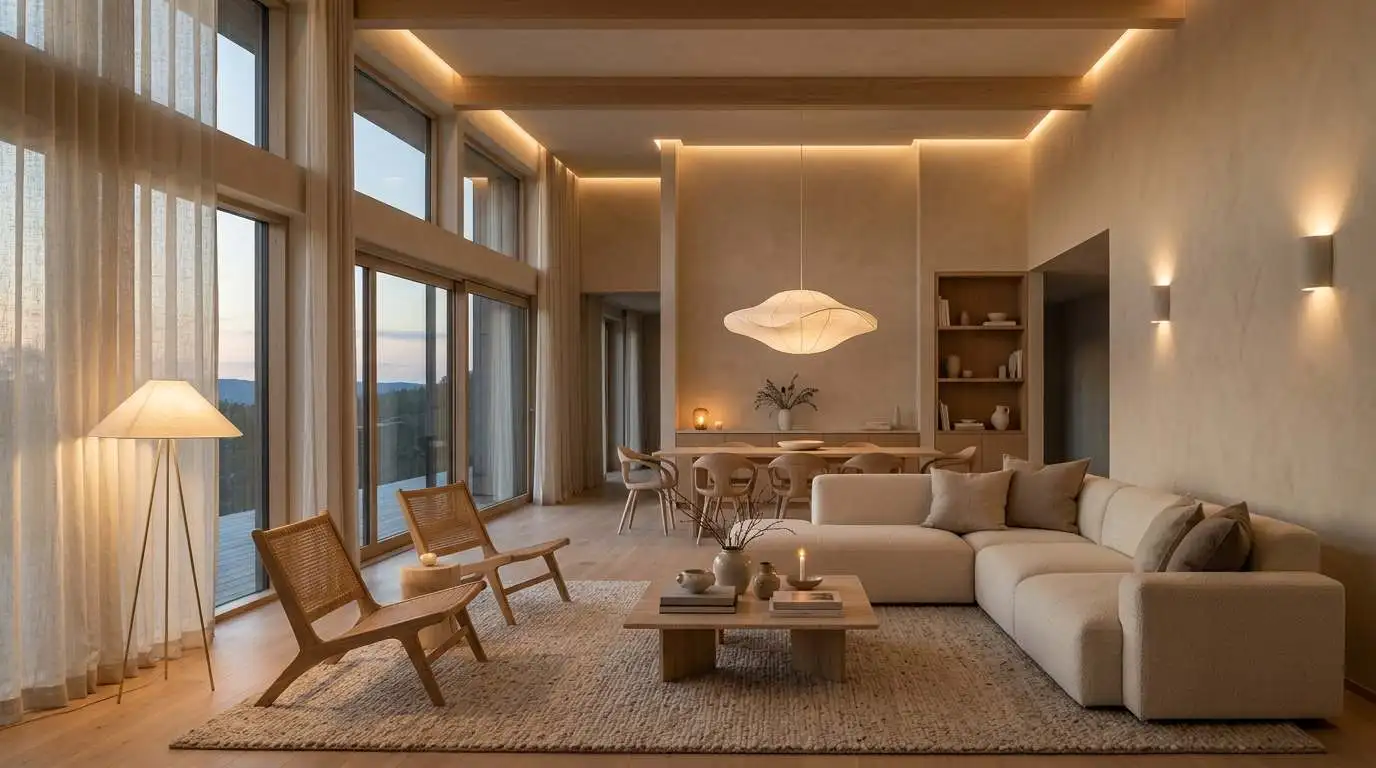
Warm-white bulbs can create a relaxing atmosphere, particularly in living rooms designed for evening use. Dimmers are useful when available because they allow us to adjust the brightness throughout the day.
For a polished look, we can repeat finishes across several fixtures, such as brushed brass, matte black, or brushed nickel. Matching every fixture is unnecessary, but a consistent design language helps the room feel cohesive.
5. Decorate the Walls With Artwork and Mirrors
Bare walls can make a living room feel unfinished, while carefully selected wall decor adds character and helps establish the room’s visual identity.
Artwork is one of the easiest ways to introduce color, personality, and movement. We can choose abstract prints for a contemporary interior, landscape photography for a calming atmosphere, or framed illustrations for a more playful setting.
A gallery wall works particularly well when several smaller pieces are arranged around a shared theme. Using similar frames or repeating a limited color palette creates cohesion, even when the artwork itself varies.
For a simpler approach, one large artwork above the sofa can become the room’s main focal point. The piece should relate to the furniture beneath it without overwhelming the surrounding wall.
Mirrors offer another practical solution. They reflect light and can make a room feel more open, particularly when positioned opposite a window or another source of natural light.
Choose a frame that complements the interior, whether that means a slim black frame for modern spaces, warm wood for Scandinavian rooms, or an ornate finish for traditional interiors.
6. Bring Nature Indoors With Plants and Flowers
Plants introduce organic shapes, natural color, and a sense of freshness that works with almost every decorating style.
A tall indoor plant can fill an empty corner, while smaller plants can soften shelves, coffee tables, and windowsills. For living rooms with limited floor space, hanging planters or wall-mounted plant holders provide greenery without taking up valuable room.
Suitable options depend on the available light and the amount of care we can provide. Snake plants and ZZ plants are popular choices for people seeking relatively low-maintenance greenery. Rooms with brighter natural light can accommodate a wider variety of indoor plants.
Fresh flowers can also add a seasonal touch. A simple arrangement in a ceramic vase looks elegant on a coffee table or console, particularly when the container complements the room’s existing colors.
If maintaining live plants is impractical, high-quality artificial greenery can provide a similar decorative effect. The most convincing arrangements have realistic foliage and are displayed in attractive containers.
7. Choose a Rug That Defines the Space
A well-chosen rug grounds the furniture arrangement, introduces texture, and helps connect the room’s colors.
One common mistake is choosing a rug that is too small. A tiny rug floating in front of a large sofa can make the furniture appear disconnected. Whenever possible, select a size that allows at least the front legs of the main seating pieces to rest on it.
For a neutral interior, a textured cream or beige rug can reinforce the room’s calm atmosphere. Patterned rugs work well when the furniture is relatively simple and the space needs a stronger visual feature.
Geometric patterns suit contemporary interiors, while faded traditional patterns can add warmth to modern and transitional spaces.
Material also matters. Wool is valued for its comfort and durability, while cotton rugs can be suitable for lighter-use areas. Synthetic options may be practical for busy households, depending on their construction and cleaning requirements.
Before purchasing, measure the seating area and check the rug’s care instructions. The right size and material will make the living room more comfortable while helping the entire layout feel connected.
8. Create a Stylish Coffee Table Display
The coffee table is a natural place to introduce decorative details without making permanent changes to the room.
Instead of filling the entire surface with small objects, we can create a simple arrangement using a few complementary pieces.
A decorative tray provides structure and keeps smaller accessories together. Inside it, we might place a ceramic bowl, a small candle, and a compact vase. A stack of art or design books can add height and personality.
For a more natural look, combine materials such as wood, stone, glass, and ceramic. Keeping some of the table surface clear preserves its practical function.
Scale is important. Tall arrangements can obstruct conversation across the sofa, while too many miniature objects may look scattered. A balanced display typically combines different heights and shapes while leaving enough room for everyday use.
We should also consider the table’s material. A glass coffee table can make a small room feel visually lighter, while a solid wood table adds warmth and works particularly well with neutral upholstery.
9. Make a Small Living Room Feel Larger
Small living rooms benefit from thoughtful decoration because every design decision affects both appearance and functionality.
The goal is not simply to remove furniture. It is to make the available space work harder without sacrificing comfort.
Start with furniture that fits the room’s proportions. A compact sofa with raised legs can feel less visually heavy than a deep, low-profile sectional. Nesting tables and storage ottomans provide flexibility when additional surfaces or seating are needed.
Light colors can help create an airy atmosphere, although darker tones can also work when used deliberately. The more important considerations are natural light, visual clutter, and the relationship between furniture and available floor space.
Effective small living room decorating ideas include:
- Use mirrors to reflect existing natural light.
- Choose curtains that hang high and extend close to the floor.
- Keep pathways clear and avoid unnecessary furniture.
- Introduce vertical storage to make use of wall space.
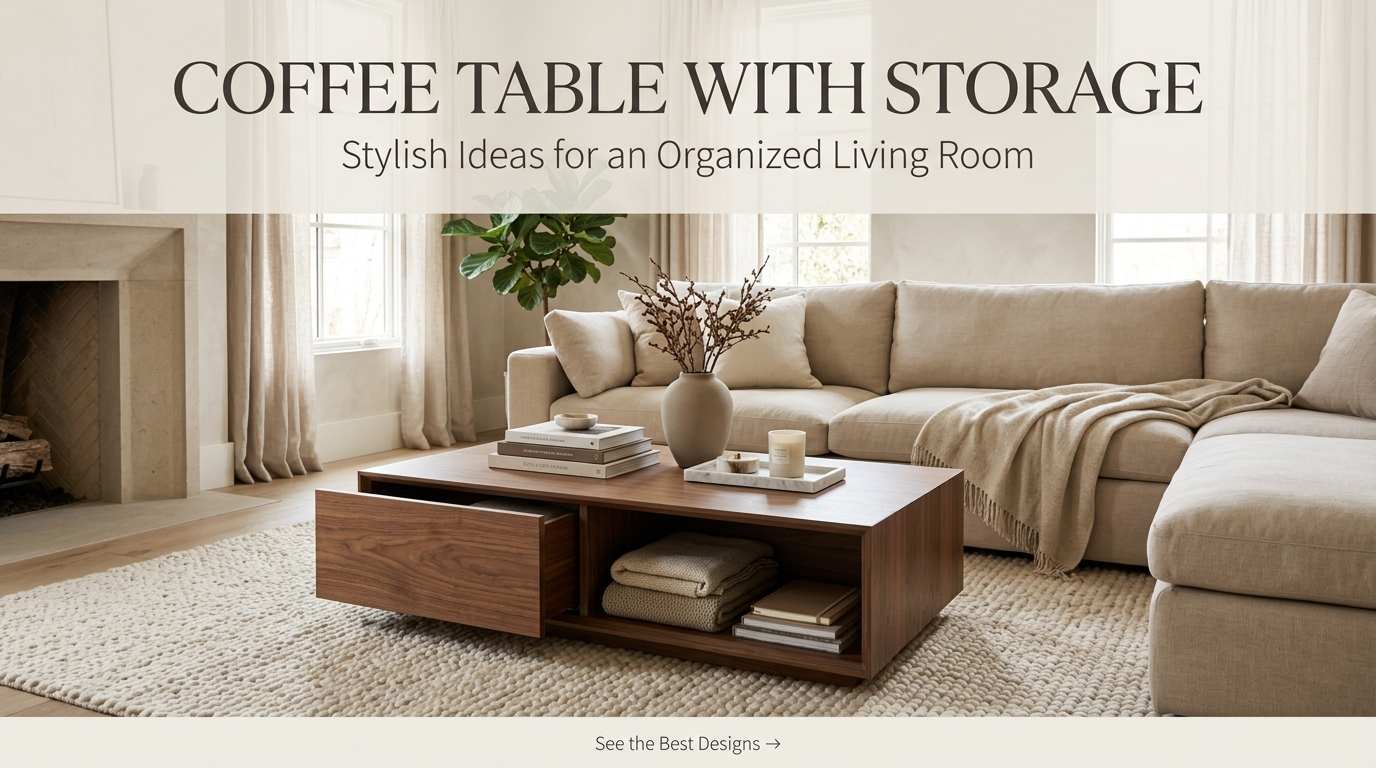
- Choose furniture with built-in storage where practical.
- Repeat a small selection of colors to reduce visual fragmentation.
- Use wall-mounted lighting to free up side tables.
Multifunctional furniture is particularly valuable in apartments and compact homes. A storage ottoman can hold blankets, a slim console can double as a work surface, and a sofa bed can provide occasional guest accommodation.
10. Add Personality With Cushions, Throws, and Curtains
Soft furnishings are among the easiest ways to refresh a living room without investing in new furniture.
Cushions introduce color and pattern while making sofas and armchairs more comfortable. Rather than buying a completely matching set, we can combine complementary shades, varied textures, and a small number of patterns.
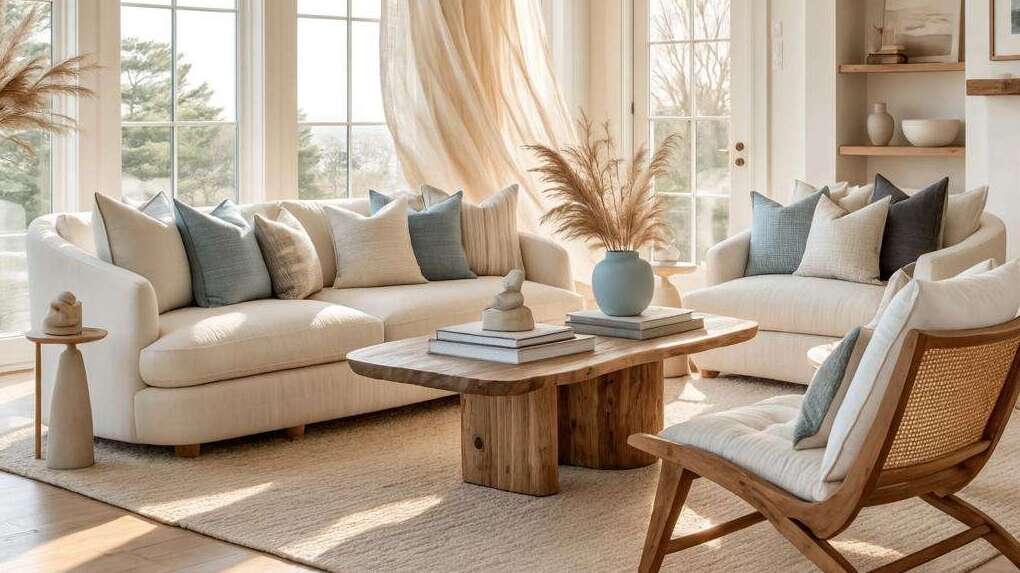
For example, a cream sofa can be styled with olive-green cushions, a textured beige cushion, and one subtle geometric print. Repeating one or two colors elsewhere in the room helps the arrangement feel intentional.
Throws add another layer of comfort. Draped over the arm of a sofa or folded neatly across the back, they soften the furniture’s appearance and remain useful during cooler evenings.
Curtains influence the room’s proportions as well as its atmosphere. Hanging curtain rods slightly above the window frame and extending them beyond the sides can create the impression of larger windows. Linen-look fabrics offer a relaxed appearance, while heavier curtains provide more coverage and can help reduce unwanted light.
When choosing soft furnishings, consider how they interact with the rug, wall color, and upholstery. A few carefully coordinated changes can refresh the entire room.
11. Embrace Minimalist and Scandinavian Living Room Decor
Minimalist and Scandinavian interiors are popular because they combine simplicity with warmth. Rather than filling every available surface, these approaches emphasize useful furniture, natural materials, comfortable textiles, and carefully chosen decorative objects.
A Scandinavian-inspired living room might feature pale wood flooring, a cream sofa, a wool rug, simple framed artwork, and a floor lamp with a clean silhouette.
Minimalist spaces often use a more restrained selection of objects, allowing furniture proportions, lighting, and material quality to become the main features.
However, simplicity should not mean removing every personal detail. A few meaningful books, handmade ceramics, family photographs, or collected objects can prevent a minimalist room from feeling impersonal.
To create this look, we should prioritize quality over quantity, maintain clear surfaces, and repeat natural materials throughout the room. Storage is also essential because keeping everyday items organized preserves the calm visual effect.
The result is a living room that feels considered, comfortable, and adaptable rather than overly decorated.
12. Introduce Statement Furniture Without Overcrowding
Statement furniture can give a living room a distinctive identity. A sculptural armchair, an unusual coffee table, a dramatic floor lamp, or a distinctive sideboard can become a focal point without requiring extensive decoration.
The most successful statement pieces have room to stand out. If every item competes for attention, the space can feel chaotic.
We can begin with a relatively restrained foundation of practical furniture and then introduce one or two distinctive elements. A curved accent chair, for instance, can soften a room dominated by straight lines. A solid wood coffee table can bring natural character to a space with smooth, contemporary finishes.
Proportion is essential. A statement piece should suit the size of the room and remain comfortable to use. Before purchasing, measure the available floor area and consider how the furniture will affect circulation.
For those decorating on a budget, a secondhand sideboard, a restored vintage chair, or an existing piece of furniture with updated hardware can provide individuality without requiring a major expense.
13. Decorate With Shelves and Thoughtful Storage
Storage can contribute to the overall design instead of being hidden or treated as an afterthought.
Open shelves provide space for books, ceramics, framed photographs, and small decorative objects. For a balanced arrangement, combine vertical and horizontal elements, leave some empty space, and avoid filling every shelf.
A useful styling method is to group objects in small collections. A few books placed horizontally can support a decorative bowl, while a framed print can sit behind a smaller object to create depth.
Closed cabinets and storage baskets are useful for items that do not need to remain visible, including remote controls, chargers, toys, and miscellaneous household accessories.
In a small living room, wall-mounted shelves can preserve floor space. In larger rooms, a well-proportioned bookcase can add architectural interest and establish a focal point.
The objective is to create storage that looks intentional while making everyday organization easier.
14. Use Natural Materials for Timeless Style
Natural materials bring warmth and character to living rooms, making them especially effective in interiors built around neutral colors and simple forms.
Wood introduces variation through its grain and finish. Stone adds visual weight and an understated sense of permanence. Linen, wool, cotton, rattan, and jute provide softness and texture.
We do not need to use every material in the same room. Instead, selecting two or three complementary finishes creates a more coherent result.
For example, a contemporary living room could combine an oak coffee table, linen curtains, and a wool rug. A more rustic interior might incorporate reclaimed wood, woven baskets, and textured cotton upholstery.
Natural finishes also help bridge different decorating styles. A wooden side table can soften a minimalist space, while linen cushions can make traditional furniture feel more relaxed.
When choosing materials, consider durability, maintenance, and how the room will be used. The most successful decoration is not only visually appealing but also practical for everyday life.
15. Refresh Your Living Room on a Budget
A beautiful living room does not require an expensive makeover. In many cases, the most noticeable improvements come from editing what we already own and investing selectively in a few details.
Start by removing items that no longer serve a purpose or contribute to the room’s appearance. Clearing unnecessary clutter can make existing furniture and decorative features more visible.
Next, experiment with furniture placement. Moving a sofa away from a doorway, repositioning an armchair, or creating a more balanced conversation area can change how the entire room feels.
Affordable updates can include:
- Replacing cushion covers with a coordinated selection.
- Adding a secondhand or vintage decorative piece.
- Rearranging existing artwork.
- Introducing an attractive floor or table lamp.
- Styling shelves with books and objects already owned.
- Using inexpensive frames to create a gallery wall.
- Adding a plant or seasonal flowers.
- Updating cabinet handles or other small hardware details.
It is also worth considering where spending more will make the greatest difference. A durable rug, comfortable sofa, or well-made lighting fixture may offer better long-term value than numerous inexpensive accessories.
A thoughtful budget encourages us to make deliberate choices rather than purchasing decorative items simply because they are trending.
16. Avoid Common Living Room Decorating Mistakes
Even attractive furniture and accessories can produce disappointing results when the room lacks balance.
One common mistake is choosing furniture that is too large for the available space. Oversized sofas and bulky tables can restrict movement and make a room feel cramped.
Another is relying on a single overhead light. Without additional light sources, the room may appear flat in the evening and lack the atmosphere created by layered illumination.
Decorating every surface is another frequent problem. Shelves, coffee tables, and sideboards benefit from a combination of decorative objects and empty space.
We should also avoid choosing colors, furniture, and accessories independently without considering the overall design. A room does not need to match perfectly, but its materials, proportions, and colors should relate to one another.
Finally, following trends too closely can make a living room feel dated quickly. Trend-led cushions and smaller accessories are relatively easy to replace, whereas expensive furniture and permanent finishes deserve more careful consideration.
A balanced living room reflects our preferences, supports daily routines, and remains comfortable long after a particular trend disappears.
Conclusion: Create a Living Room That Feels Like Home
The best decoration ideas for living room spaces combine practical planning with personal expression. A coordinated color palette, comfortable furniture arrangement, layered lighting, natural textures, and thoughtful accessories can transform a room without requiring a complete renovation.
We can begin with simple changes, such as rearranging the furniture, introducing a textured rug, improving the lighting, or adding artwork that reflects our interests. As the room develops, carefully chosen materials and repeated colors will help create a more cohesive appearance.
Most importantly, a successful living room should support the way we actually live. It should provide comfortable seating, allow easy movement, offer practical storage, and feel welcoming at different times of the day.
Whether we prefer understated minimalism, warm Scandinavian design, traditional elegance, or a more eclectic approach, the goal remains the same: to create a beautiful, functional living room that feels personal, inviting, and timeless.
Leave a Reply