


Choosing between cork flooring vs. vinyl flooring comes down to how you want your floor to feel, perform, and age.
Cork brings warmth, softness, natural texture, and a quieter feel underfoot. Vinyl flooring offers excellent moisture resistance, a huge range of designs, and straightforward maintenance. Both can work beautifully in a modern home, but they suit very different rooms and lifestyles.
If you’re deciding between the two, use this guide to compare durability, water resistance, comfort, cleaning, installation, appearance, cost considerations, and long-term practicality.
Read our Cork Flooring Ultimate Guide: Pros, Costs & Care
Table of Contents
Cork Flooring vs. Vinyl Flooring at a Glance
| Feature | Cork Flooring | Vinyl Flooring |
|---|---|---|
| Comfort underfoot | Excellent | Good |
| Warmth | Excellent | Good |
| Sound absorption | Excellent | Good |
| Water resistance | Moderate | Excellent |
| Scratch resistance | Good with proper finish | Good to excellent, depending on product |
| Maintenance | Easy with proper care | Very easy |
| Natural material | Yes | No |
| Design choices | Moderate | Very wide |
| Best for bedrooms | Excellent | Excellent |
| Best for living rooms | Excellent | Excellent |
| Best for kitchens | Good with proper sealing | Excellent |
| Best for bathrooms | Limited | Excellent |
| DIY installation | Moderate | Often easy |
| Pet-friendly use | Good with protective finish | Generally very good |
| Overall feel | Warm, soft, quiet | Practical, resilient, versatile |
Quick answer: Choose cork when comfort, warmth, quietness, and natural materials matter most. Choose vinyl when water resistance, easy maintenance, design flexibility, and practical everyday durability are your top priorities.
What Is Cork Flooring?
Cork flooring is made from the bark of cork oak trees. The bark can be harvested without cutting down the tree, and it grows back over time.
The material is processed into flooring tiles or planks. Depending on the product, cork flooring may have a natural finish, a protective coating, or a printed surface.
Cork has a distinctive feel. It has a little give when you walk across it, which can make long periods of standing more comfortable.
Its cellular structure also helps absorb sound and retain warmth.
That combination makes cork especially appealing in bedrooms, home offices, children’s rooms, libraries, and living spaces where comfort matters.
How Cork Flooring Feels Underfoot
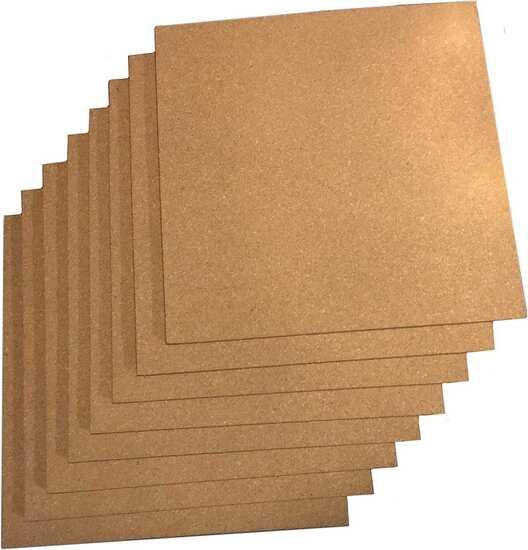
This is where cork has a major advantage.
Cork feels softer than most hard flooring materials. When you walk barefoot across it, there’s a slight spring beneath your feet rather than the firm sensation associated with tile or stone.
That softness can also be useful in kitchens. Anyone who spends an hour preparing dinner will notice the difference between standing on a forgiving surface and standing on a hard floor.
Cork also tends to feel warmer than ceramic tile.
For homes where people frequently walk barefoot, sit on the floor, or spend long periods standing, cork deserves serious consideration.
What Is Vinyl Flooring?
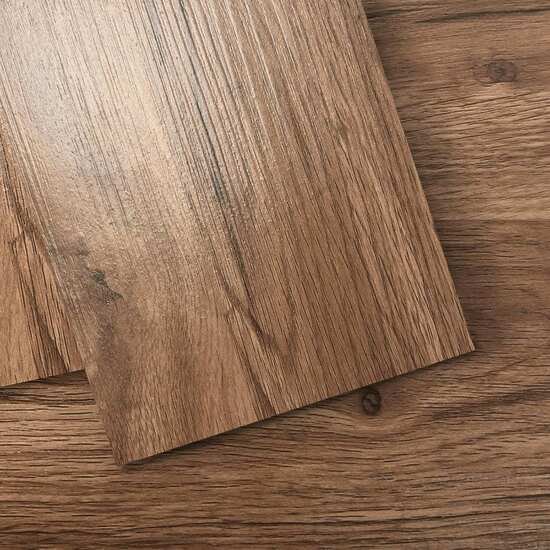
Vinyl flooring is a manufactured flooring material available in several formats, including luxury vinyl plank, luxury vinyl tile, sheet vinyl, and other multilayer constructions.
Modern vinyl flooring can imitate wood, stone, concrete, marble, and other surfaces with convincing patterns and textures.
Its biggest practical strength is moisture resistance.
Quality vinyl flooring can handle spills, muddy shoes, kitchen splashes, and everyday household messes with relatively little fuss. This makes it a popular choice for kitchens, bathrooms, laundry rooms, entryways, and busy family spaces.
Vinyl also comes in floating click-lock systems that can make installation considerably easier for experienced DIY homeowners.
Cork Flooring vs. Vinyl Flooring: Durability
Both materials can provide years of service, but they handle daily abuse differently.
Vinyl generally has the edge for high-traffic areas where spills, dirt, pets, and moisture are common.
The wear layer on many vinyl products provides protection against everyday scuffs and surface wear. Product quality varies considerably, so comparing construction and warranty information matters.
Cork is resilient because it has a naturally flexible structure. It can recover from some minor impacts and pressure.
However, heavy furniture can leave impressions, and sharp objects can damage the surface. Cork also benefits from a properly maintained protective finish.
Which Handles Scratches Better?
Vinyl usually makes the easier choice for households with large dogs, active children, or frequent foot traffic.
Cork can still work in these homes, but you’ll want furniture pads, sensible cleaning habits, and attention to the protective finish.
A damaged cork surface may also require more specialized repair than a small mark on a vinyl plank.
Cork Flooring vs. Vinyl Flooring: Water Resistance
This is one of the clearest differences.
Vinyl Flooring and Water
Vinyl is highly suited to rooms where water exposure is part of normal life.
Bathrooms, kitchens, mudrooms, laundry areas, and basements can all be good candidates, provided the flooring system is installed according to the manufacturer’s requirements.
Seams, edges, subfloors, and installation details still matter. Water-resistant flooring doesn’t eliminate the need for proper installation.
Cork Flooring and Water
Cork requires more care around moisture.
Cork itself has natural properties that can resist some moisture, but finished flooring systems can still be vulnerable to prolonged water exposure. Moisture that reaches the material or subfloor can cause problems.
A well-sealed cork floor can work in a kitchen where spills are cleaned promptly. Bathrooms and consistently damp areas require much more caution.
For a bathroom, vinyl is usually the safer flooring choice.
Which Flooring Is Easier to Clean?
Vinyl wins for pure convenience.
Regular sweeping or vacuuming followed by appropriate damp cleaning is generally enough for routine maintenance.
Vinyl is particularly useful for households where floors regularly encounter:
- Pet hair
- Food spills
- Mud
- Children’s messes
- Kitchen splashes
- Frequent foot traffic
Cork is also relatively easy to maintain, but you need to follow the flooring manufacturer’s cleaning recommendations carefully.
Excess water is a poor match for cork. Abrasive cleaners can also damage the protective finish.
For both flooring types, prevention helps. Felt pads beneath furniture, entry mats, and prompt spill cleanup can extend the useful life of the floor.
Cork Flooring vs. Vinyl Flooring for Pets
Pets change the flooring equation.
Vinyl is often the more practical option for households with dogs and cats because of its moisture resistance and easy cleanup.
Accidents can happen. Water bowls get knocked over. Mud gets tracked inside. Vinyl handles these situations with less worry.
Cork can still be a good choice for pet owners who value comfort and quietness. Its softer surface may be pleasant for pets to walk across, and its sound-dampening qualities can reduce the noise of claws moving around the house.
The trade-off is surface protection.
Pet owners choosing cork should pay close attention to the finish, use protective pads beneath furniture, and keep claws appropriately trimmed.
Cork Flooring vs. Vinyl Flooring for Kitchens
Both can work in a kitchen, but they offer different strengths.
Cork creates a warm, comfortable workspace. If you spend a lot of time cooking, that softer surface can be appealing.
Cork also helps reduce the sound of dropped utensils, footsteps, and kitchen activity.
Vinyl brings a different advantage: easy cleanup.
A kitchen is one of the busiest rooms in most homes, so spills are inevitable. Vinyl gives you more freedom around water and food messes.
Best Kitchen Choice
Choose cork for comfort if you carefully manage moisture.
Choose vinyl for practicality if your kitchen sees heavy daily use, frequent spills, pets, or children.
Cork Flooring vs. Vinyl Flooring for Bedrooms
Cork is particularly attractive in bedrooms.
Its warmth and soft feel create a comfortable surface for bare feet, especially on cold mornings. Its sound absorption can also help create a quieter sleeping environment.
Vinyl can work very well too, particularly when you want a wood-look floor without the maintenance requirements associated with some natural flooring materials.
For a cozy bedroom with a natural design, cork has the stronger personality.
For a clean, contemporary bedroom with a specific wood or stone appearance, vinyl offers more visual flexibility.
Cork Flooring vs. Vinyl Flooring for Living Rooms
This choice is mostly about design and lifestyle.
Cork works beautifully with warm, natural interiors. Its organic pattern can add visual texture without requiring rugs or complicated decoration.
Vinyl gives you far more control over the appearance. You can choose a floor that resembles oak, walnut, stone, concrete, or other materials.
For an earthy, quiet living room, cork is a strong candidate.
For a family room that needs easy cleaning and a specific decorative look, vinyl may make more sense.
Which Flooring Is More Comfortable?
Cork wins this category.
Its cellular structure gives the material a degree of resilience that makes it comfortable for standing and walking.
This matters in rooms where you’re on your feet for long periods.
Think about a kitchen where you prepare meals every evening, a home office where you stand at a desk, or a playroom where children spend time on the floor.
Vinyl has some comfort compared with harder flooring materials, particularly when installed over suitable underlayment, but it generally doesn’t provide the same soft, springy sensation as cork.
Which Flooring Is Quieter?
Cork generally has the advantage.
Its structure absorbs some sound rather than reflecting it around the room. That can help reduce the noise created by footsteps and dropped objects.
This makes cork particularly appealing for:
- Bedrooms
- Home offices
- Apartments
- Libraries
- Children’s rooms
- Upstairs rooms
Vinyl can also provide a quieter experience than some hard flooring options, especially with appropriate underlayment.
Still, cork is the natural choice when sound reduction is one of your main priorities.
Cork Flooring vs. Vinyl Flooring: Appearance
This category depends heavily on your personal taste.
Cork has a recognizable natural appearance. You’ll see organic variations, speckles, and patterns created by the cork material itself.
Some products have a more traditional cork look, while others use contemporary patterns and colors.
Vinyl offers a much larger visual selection.
Modern printing and surface textures allow vinyl planks and tiles to mimic many materials. You can find pale oak effects, dark walnut styles, concrete looks, stone patterns, and numerous decorative designs.
Which Looks More Natural?
Cork has the advantage when you want the flooring material itself to be part of the design.
Vinyl wins when you want maximum choice.
If you’re trying to match existing cabinets, furniture, wall colors, or architectural details, the broader vinyl selection can make coordination easier.
Cork Flooring vs. Vinyl Flooring: Installation
Installation depends on the specific product.
Cork flooring may be available as glue-down tiles, floating planks, or other installation formats.
Vinyl is also available in several systems, with click-lock luxury vinyl plank being especially popular among DIY renovators.
Before installing either material, inspect the subfloor carefully.
A clean, dry, stable, level surface makes a major difference. Flooring can only perform as well as the surface beneath it allows.
Always follow the manufacturer’s installation instructions, particularly around expansion gaps, moisture testing, adhesive selection, and acclimation requirements.
Which Flooring Is Better for a DIY Project?
Vinyl often has the easier learning curve, especially with floating click-lock products.
The individual planks can be connected without spreading adhesive across the entire floor, depending on the system.
Cork flooring installation varies more widely by product.
If you’re comfortable measuring, cutting, preparing a subfloor, and following manufacturer instructions, either can be manageable.
For a first flooring project, read the complete installation instructions before buying materials. The installation system should influence your decision as much as the appearance.
Environmental Considerations
Cork has a strong environmental appeal because cork oak bark can be harvested while the tree remains alive.
The material also has a distinctive renewable-resource story that appeals to homeowners who prefer natural materials.
Vinyl is a synthetic flooring material, so its environmental profile differs from cork.
When comparing products, look beyond the material name. Manufacturing methods, product composition, packaging, certifications, adhesives, expected service life, and disposal all affect the broader picture.
If environmental considerations are high on your list, check the manufacturer’s product documentation rather than relying on a generic claim about either flooring type.
Which Flooring Has Better Long-Term Value?
The best value depends on the room and your priorities.
A lower-maintenance floor can save time over the years. A comfortable floor can make a room more enjoyable every day. A flooring material that handles moisture well can also prevent headaches in the right room.
Think about the complete ownership experience rather than the initial material cost alone.
Ask yourself:
- How much moisture will the floor encounter?
- How much foot traffic will it receive?
- Do you have pets?
- Will people spend long periods standing there?
- How important is sound reduction?
- How often do you want to clean and maintain the floor?
- How important is natural material to your design?
- Do you plan to install the floor yourself?
Your answers will usually make the better option obvious.
Cork Flooring vs. Vinyl Flooring: Pros and Cons
Cork Flooring Pros
- Soft and comfortable underfoot
- Naturally warm feel
- Excellent sound absorption
- Distinctive natural appearance
- Renewable raw material
- Well suited to bedrooms and living spaces
- Comfortable for prolonged standing
Cork Flooring Cons
- Requires careful moisture management
- Can be damaged by sharp objects
- Heavy furniture can leave impressions
- Protective finishes require proper care
- More limited design range than vinyl
Vinyl Flooring Pros
- Excellent moisture resistance
- Easy everyday cleaning
- Wide selection of colors and patterns
- Good choice for busy households
- Suitable for kitchens and bathrooms
- Many DIY-friendly installation systems
- Works well with pets and children
Vinyl Flooring Cons
- Synthetic material
- Less naturally soft than cork
- Surface can still scratch or wear
- Product quality varies considerably
- Doesn’t provide the same natural material experience as cork
Common Mistakes When Choosing Between Cork and Vinyl
Choosing Based Only on Appearance
A floor can look perfect in a showroom and feel wrong six months later.
Think about moisture, traffic, pets, furniture, cleaning habits, and comfort before choosing the finish.
Ignoring the Subfloor
A beautiful floor installed over an unsuitable subfloor can develop problems.
Check for uneven areas, moisture concerns, loose sections, contamination, and other conditions before installation.
Treating All Vinyl as the Same
Vinyl flooring products vary in construction, wear layers, thickness, installation systems, warranties, and intended applications.
Read the technical specifications for the exact product you’re considering.
Using Too Much Water on Cork
Cork rewards careful maintenance.
Use cleaning methods recommended by the flooring manufacturer and deal with spills promptly.
Forgetting Furniture Protection
Heavy furniture can affect either flooring type.
Felt pads and appropriate protective accessories can help reduce scratches, dents, and surface wear.
Cork Flooring vs. Vinyl Flooring: Which Should You Choose?
Choose cork flooring if you want:
- A soft, warm floor
- Natural visual character
- Better sound absorption
- Comfortable standing
- A cozy bedroom or living room
- A renewable flooring material
Choose vinyl flooring if you want:
- Strong moisture resistance
- Easy cleaning
- Broad design options
- A practical family-room floor
- A bathroom or kitchen flooring solution
- An easier DIY installation system
For many homes, the smartest approach is to use each material where it performs best.
Cork can create a warm, quiet bedroom or living room. Vinyl can handle the harder-working areas where water, dirt, and frequent cleaning are part of daily life.
The best flooring choice is ultimately the one that matches the room rather than simply the one that looks best in a sample.
Key Takeaways
- Cork flooring delivers a softer, warmer, quieter experience underfoot.
- Vinyl flooring offers excellent moisture resistance and easy maintenance.
- Cork is particularly well suited to bedrooms, living rooms, offices, and comfortable kitchen spaces.
- Vinyl is a strong choice for bathrooms, laundry rooms, entryways, kitchens, and busy family areas.
- Cork requires more care around standing water and prolonged moisture.
- Vinyl provides a much wider selection of wood, stone, and decorative appearances.
- Your room’s moisture level, traffic, pets, and cleaning habits should guide the decision.
- For many homes, combining cork and vinyl in different rooms provides the most practical result.
Frequently Asked Questions
Is cork flooring better than vinyl flooring?
Cork is better for comfort, warmth, sound absorption, and natural aesthetics. Vinyl is better for moisture resistance, easy cleaning, design variety, and demanding household conditions.
Is cork flooring good for kitchens?
Cork can work well in kitchens when it has an appropriate protective finish and spills are cleaned promptly. Homes with frequent water exposure may benefit more from vinyl.
Is vinyl flooring better for bathrooms?
Yes. Vinyl is generally the more practical option for bathrooms because it handles moisture far better than cork.
Which lasts longer, cork or vinyl flooring?
Both can provide long service when the product is appropriate for the room and properly installed and maintained. Vinyl generally has an advantage in high-moisture and high-mess environments, while cork requires more careful surface and moisture management.
Is cork flooring comfortable to walk on?
Yes. Cork is known for its softer, slightly resilient feel. This can make it especially comfortable in kitchens, bedrooms, home offices, and other rooms where people spend a lot of time standing.
Is vinyl flooring easy to clean?
Yes. Routine sweeping, vacuuming, and manufacturer-approved damp cleaning are generally sufficient for everyday maintenance.
Can pets damage cork flooring?
Pets can scratch or mark cork flooring, particularly when claws are sharp or furniture is dragged across the surface. A suitable protective finish and regular maintenance can help reduce damage.
Which flooring is quieter, cork or vinyl?
Cork is generally quieter because its cellular structure absorbs sound. Vinyl can also be relatively quiet with suitable underlayment, but cork has a natural advantage in sound absorption.





Leave a Reply