
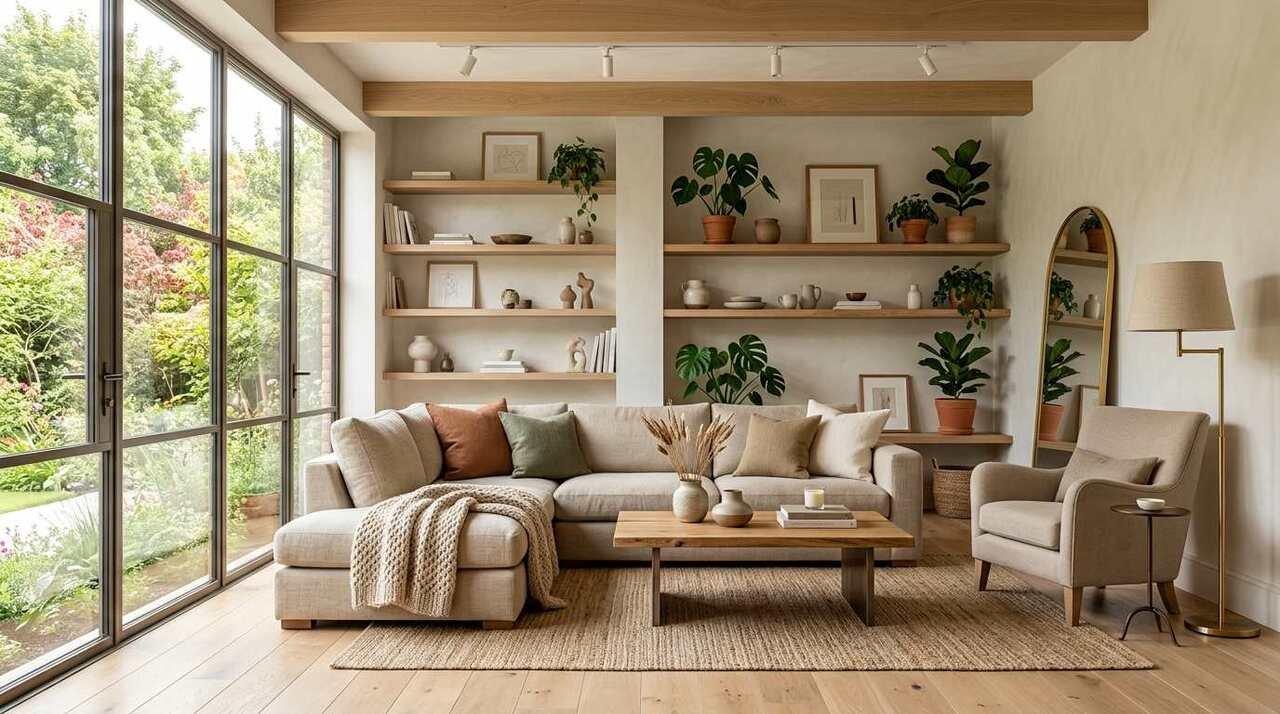

Sustainable home design brings together energy efficiency, responsible materials, smart resource use, durability, and comfortable living. Rather than treating sustainability as a single feature, we can approach it as a complete design philosophy that influences how a home is built, furnished, heated, cooled, maintained, and enjoyed.
A sustainable home does not have to look rustic or sacrifice style. Modern sustainable interiors can be elegant, comfortable, practical, and highly personal. By making thoughtful decisions about materials, lighting, insulation, furniture, water use, and technology, we can create homes that feel beautiful while reducing unnecessary environmental impact.
Table of Contents
What Is Sustainable Home Design?
Sustainable home design focuses on creating living spaces that use resources responsibly while providing long-term comfort and functionality. It considers the entire life of a home, from construction materials and energy consumption to maintenance, renovation, and eventual replacement.
A sustainable approach can include passive solar design, natural ventilation, efficient appliances, durable materials, water-saving fixtures, renewable energy, recycled products, and responsible furniture choices.
The goal is not perfection. Instead, we can look for practical opportunities to make better choices without making the home complicated or uncomfortable.
Start With Energy-Efficient Home Design
Energy efficiency is one of the most important foundations of sustainable home design. A home that requires less energy for heating, cooling, lighting, and everyday appliances can be more comfortable and less wasteful.
Good insulation is particularly important. Properly insulated walls, ceilings, floors, and roofs help maintain indoor temperatures and reduce the need for constant heating or cooling. Sealing drafts around doors and windows can also prevent conditioned air from escaping.
Windows deserve careful attention as well. Large windows can provide natural light and beautiful views, but their orientation, glazing, shading, and placement can influence indoor temperatures significantly.
Where possible, we can use daylight as a design resource. Well-positioned windows, skylights, light-colored surfaces, and open layouts can reduce dependence on artificial lighting during daylight hours.
Use Passive Solar Design
Passive solar design works with the local climate instead of relying entirely on mechanical heating and cooling.
The position of the home, orientation of windows, roof overhangs, shading, thermal mass, and natural airflow can all contribute to indoor comfort.
In cooler climates, appropriately positioned windows can help bring useful sunlight into living spaces. In warmer climates, exterior shading, vegetation, reflective surfaces, and carefully designed openings can help prevent excessive heat gain.
We can also incorporate cross-ventilation by positioning windows or openings so that fresh air can move naturally through the home. This can make a significant difference in climates where natural ventilation is practical.
Choose Sustainable Building Materials
Material selection is another major part of sustainable home design. We can look beyond appearance and consider how materials are produced, transported, maintained, and eventually disposed of.
Durability should be one of the first considerations. A material that lasts for decades without frequent replacement can reduce waste and the resources associated with repeated renovations.
Some sustainable material choices may include:
- Reclaimed wood
- Responsibly sourced timber
- Recycled metal
- Recycled glass
- Natural stone
- Cork
- Bamboo
- Recycled or low-impact flooring
- Low-emission paints and finishes
- Recycled-content insulation
The most sustainable material is not automatically the one marketed as “green.” We should also consider the product’s lifespan, maintenance requirements, transportation distance, repairability, and suitability for the space.
Prioritize Durable Materials Over Trends
Fast-changing interior trends can encourage unnecessary renovation. A room may look dated simply because a particular color, finish, or pattern is no longer fashionable.
A more sustainable approach is to build the foundation of a room around timeless materials and flexible design.
For example, we can choose durable flooring, quality cabinetry, neutral architectural finishes, and versatile furniture. Accessories, artwork, textiles, and smaller decorative pieces can then provide opportunities to change the appearance of the room without replacing expensive permanent elements.
This approach can make a home feel current without requiring constant remodeling.
Create a Sustainable Kitchen
The kitchen is one of the most resource-intensive areas of many homes. It contains appliances, plumbing fixtures, lighting, cabinetry, countertops, and numerous everyday products.
Energy-efficient appliances can reduce electricity consumption, while induction cooking can provide an efficient alternative to traditional cooking methods.
Water efficiency is equally important. A well-designed kitchen can include a water-efficient faucet, durable sink, easy-to-clean surfaces, and appliances designed to use resources efficiently.
Cabinet quality also matters. Durable cabinetry that can be repaired or refinished may be preferable to inexpensive products that need frequent replacement.
When selecting countertops, we can consider recycled materials, responsibly sourced stone, durable solid surfaces, or other products with a long usable life.
Design a More Sustainable Bathroom
Bathrooms offer many opportunities for resource conservation.
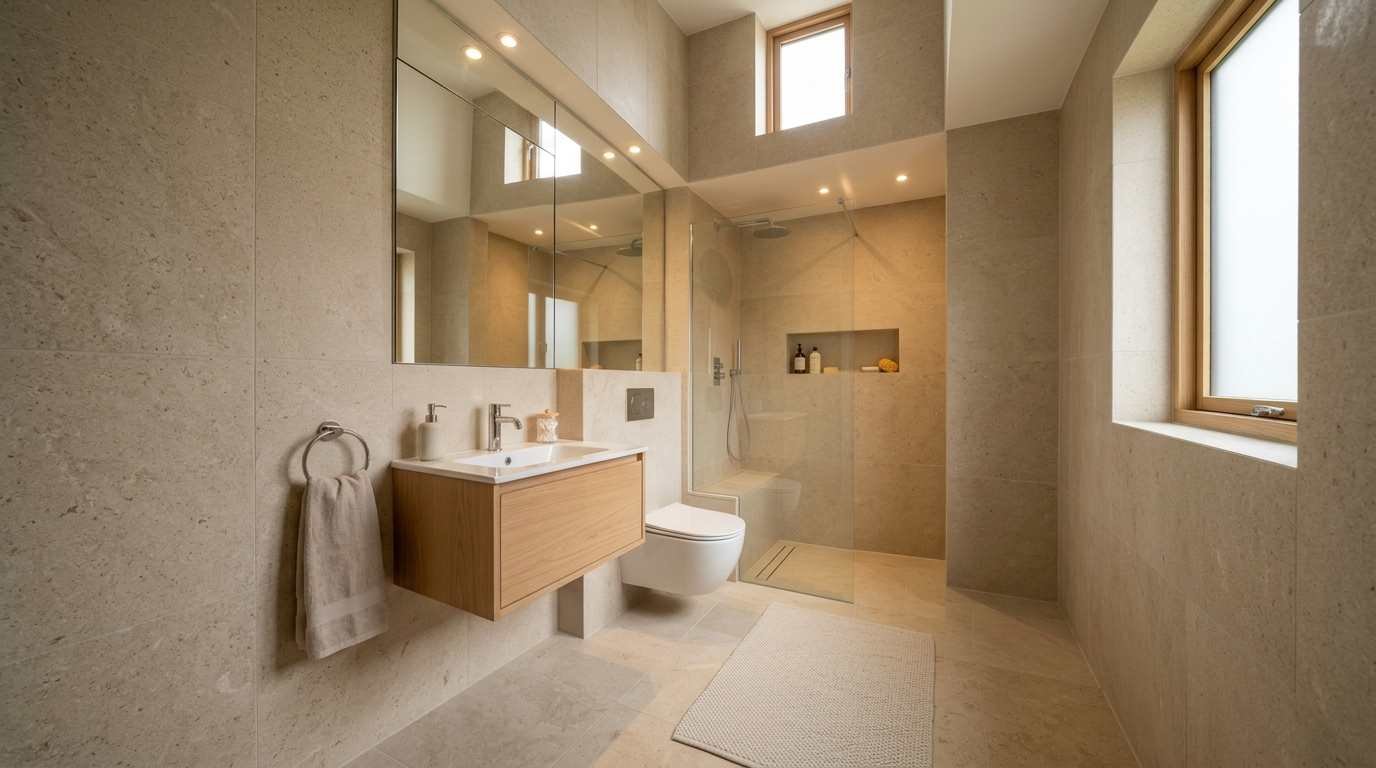
Low-flow faucets, efficient showerheads, and water-saving toilets can reduce unnecessary water consumption while maintaining everyday functionality. Good ventilation is also essential because it helps control moisture and can protect finishes and building materials.
For finishes, we can select durable, moisture-resistant materials that do not need frequent replacement.
Instead of designing a bathroom around short-lived trends, we can use timeless tile patterns, quality fixtures, natural textures, and replaceable accessories. This creates a space that remains attractive for longer.
Use Natural Light More Effectively
Natural light can transform the appearance of a home while reducing the need for artificial lighting during the day.
Sustainable interior design can make daylight work harder by using reflective surfaces, open sightlines, glass doors, strategically positioned mirrors, and lighter finishes.
However, more glass is not automatically better. Excessive glazing can increase heat gain or heat loss depending on climate and orientation. We should therefore consider both daylight and thermal performance when planning windows.
Window treatments can also contribute to sustainability. Exterior shades, blinds, curtains, and other solutions can help control sunlight and indoor temperatures.
Improve Indoor Air Quality
Sustainable homes should be healthy as well as resource-efficient.
Indoor air quality can be influenced by paints, adhesives, flooring, furniture, cleaning products, moisture, ventilation, and combustion appliances.
Choosing low-emission paints, finishes, adhesives, and furnishings can help reduce the introduction of unwanted pollutants into indoor spaces.
Ventilation is equally important. A well-sealed home needs an appropriate strategy for bringing in fresh air and managing humidity.
Indoor plants can complement an attractive interior, but they should not be treated as a substitute for proper ventilation or air-quality systems.
Add Sustainable Furniture
Furniture can have a surprisingly long life when we choose carefully.
Instead of replacing furniture whenever styles change, we can select pieces that are repairable, adaptable, durable, and visually timeless.
Secondhand furniture is another useful option. Vintage and pre-owned pieces can add character to a home while extending the useful life of existing products.
We can also consider furniture made from responsibly sourced wood, recycled materials, natural fibers, or other durable materials.
Quality matters more than simply choosing something labeled sustainable. A well-made chair that lasts twenty years can be a more practical choice than an inexpensive chair that needs replacing every few years.
Create a Sustainable Home Office
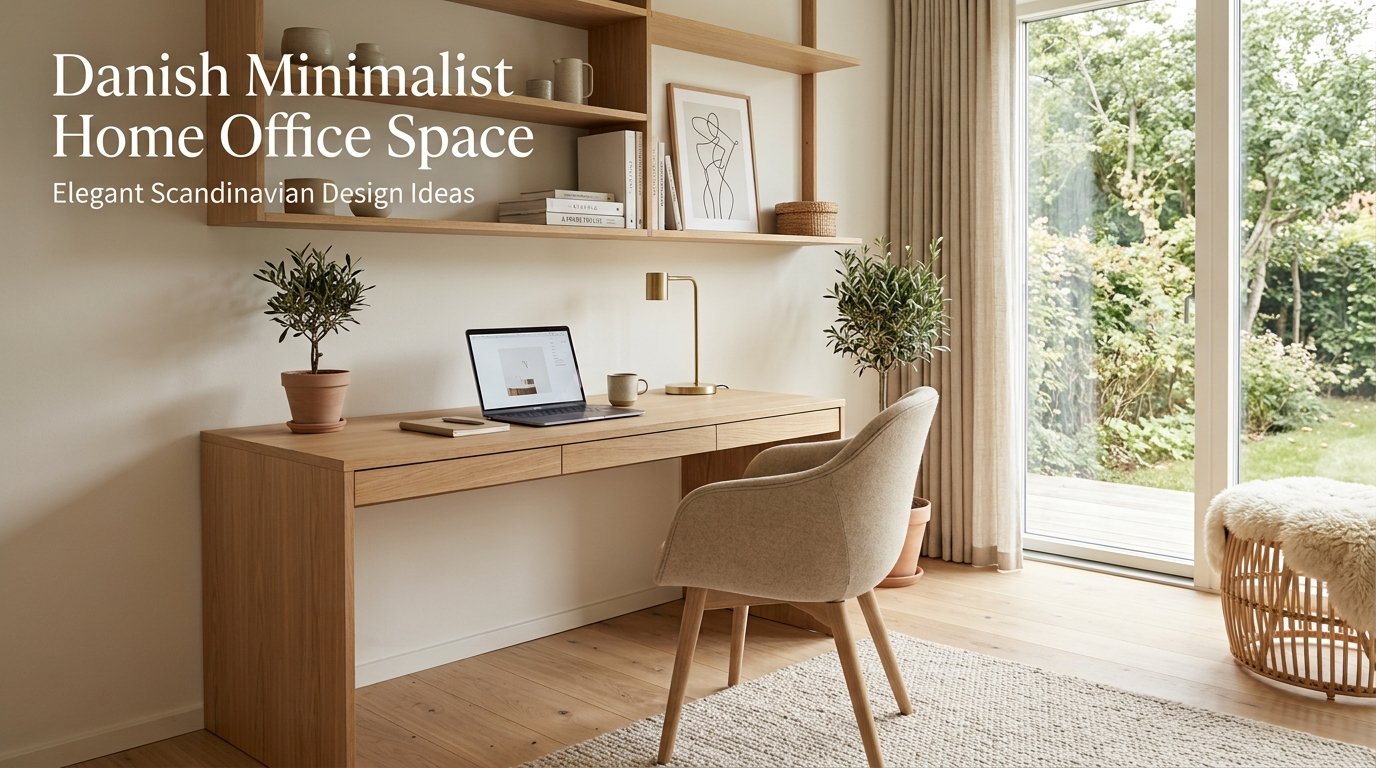
A home office can be designed around efficiency and comfort without excessive consumption.
Natural daylight can provide much of the daytime illumination. Energy-efficient lighting can supplement it when necessary.
Furniture should support long-term use. A sturdy desk, adjustable chair, practical storage, and durable accessories can reduce the need for frequent replacement.
We can also reduce paper consumption through digital organization, while choosing energy-efficient computers, monitors, and other equipment where possible.
Make Outdoor Spaces More Sustainable
Sustainable home design should extend beyond the walls.
Outdoor areas can incorporate native or climate-appropriate plants, permeable surfaces, shade trees, rainwater management, and durable outdoor furniture.
Choosing plants suited to local conditions can reduce the amount of water and maintenance required. Trees can also provide shade and contribute to a more comfortable outdoor environment.
Rather than covering every outdoor area with impermeable materials, we can consider solutions that allow water to move naturally into the ground.
Use Water Responsibly
Water conservation can become part of everyday home design.
Efficient plumbing fixtures are an obvious starting point, but landscaping and outdoor habits matter too. Rainwater collection, drip irrigation, drought-tolerant planting, and appropriate watering schedules can reduce unnecessary outdoor water use where these systems are suitable and permitted.
Inside the home, fixing leaks quickly is one of the simplest sustainability improvements.
A sustainable home does not need complicated technology to conserve water. Good design combined with sensible everyday habits can have a meaningful effect.
Consider Renewable Energy
Where local conditions and budgets allow, renewable energy can become part of a sustainable home strategy.
Solar panels are one of the most recognizable options for residential renewable energy. Their suitability depends on factors such as roof orientation, available space, sunlight exposure, local regulations, installation costs, and household electricity needs.
Energy storage may also be considered where appropriate.
Before adding renewable technology, it can make sense to improve the home’s efficiency first. Reducing unnecessary energy demand can complement renewable energy production.
Design for Adaptability
A sustainable home should be capable of changing with its occupants.
Rooms that serve only one highly specific purpose may become less useful as household needs change. Flexible spaces can accommodate working, relaxing, entertaining, studying, or storage without requiring major renovations.
Movable furniture, modular storage, multi-purpose rooms, and adaptable layouts can make a home more resilient over time.
This is particularly useful in smaller homes, where every square meter needs to work efficiently.
Reduce Waste During Renovation
Home renovations can generate significant amounts of waste. A sustainable renovation therefore begins with the question: What can we keep?
Existing doors, cabinets, flooring, fixtures, furniture, and architectural details may be repairable or reusable.
Before demolition, we can assess whether an element can be refinished, repurposed, donated, or recycled.
For example, existing cabinets may only need new hardware or a fresh finish rather than complete replacement. A solid wood table may need refinishing rather than disposal.
This approach can preserve character while reducing unnecessary waste.
Choose Quality Over Quantity
Sustainable living often begins with buying less but choosing better.
Instead of filling a home with decorative objects that quickly lose their appeal, we can select pieces that have meaning, function, craftsmanship, and lasting visual appeal.
This creates a calmer interior and can reduce consumption at the same time.
The same principle applies to textiles, lighting, furniture, kitchen equipment, and home accessories. A smaller collection of useful, durable pieces can often create a more sophisticated environment than a room filled with disposable products.
Build Sustainability Into Everyday Living
A sustainable home is not created solely through construction materials or expensive technology. Everyday behavior matters too.
Turning off unnecessary lights, managing heating and cooling responsibly, repairing products, reducing food waste, recycling appropriately, washing efficiently, and choosing durable household goods can all support the design decisions built into the home.
Smart technology can make some of these habits easier. Programmable thermostats, occupancy sensors, smart lighting, energy monitoring, and automated controls can help households understand and manage resource use.
Technology works best when it solves a real problem rather than being added simply because it is fashionable.
Sustainable Home Design Can Still Be Beautiful
Sustainability and sophisticated design are not opposites.
Natural materials, clean lines, warm textures, thoughtful lighting, quality craftsmanship, and restrained decoration can create interiors that feel both contemporary and enduring.
Wood, stone, linen, wool, ceramics, glass, and other tactile materials can introduce warmth without relying on excessive decoration.
A sustainable interior can also embrace intentional simplicity. Instead of constantly adding more, we can focus on creating rooms where each element has a purpose.
A Practical Sustainable Home Design Checklist
When planning a new home or updating an existing one, we can work through a simple checklist:
- Improve insulation and air sealing.
- Maximize useful natural light.
- Plan windows according to climate and orientation.
- Encourage natural ventilation where appropriate.
- Choose energy-efficient appliances.
- Install efficient lighting.
- Select durable and repairable materials.
- Consider reclaimed and recycled materials.
- Use low-emission paints and finishes.
- Choose water-efficient fixtures.
- Reduce renovation waste.
- Reuse existing furniture whenever practical.
- Select long-lasting furniture and accessories.
- Use climate-appropriate landscaping.
- Reduce unnecessary water consumption.
- Explore renewable energy where suitable.
- Design rooms for multiple uses.
- Monitor household energy consumption.
- Buy fewer but better-quality products.
- Maintain and repair items before replacing them.
The Future of Sustainable Home Design
Sustainable home design is moving toward a more integrated understanding of how buildings, interiors, technology, materials, and everyday habits work together.
The future is not necessarily about filling homes with more technology. Instead, it is about creating efficient, adaptable, healthy, durable, and comfortable spaces that use resources intelligently.
We can combine passive design principles with modern insulation, efficient appliances, renewable energy, smart controls, responsible materials, and timeless interiors. The result can be a home that feels sophisticated today while remaining useful for many years.
Ultimately, sustainable design is about making deliberate choices. We do not need to transform an entire home overnight. Improving insulation, replacing inefficient lighting, repairing furniture, reducing water waste, choosing durable materials, and designing spaces that can adapt over time can all move a home toward a more responsible future.
A sustainable home can therefore be more than an environmentally conscious space. It can be comfortable, beautiful, practical, economical to maintain, and designed around the way we genuinely want to live.

Leave a Reply