
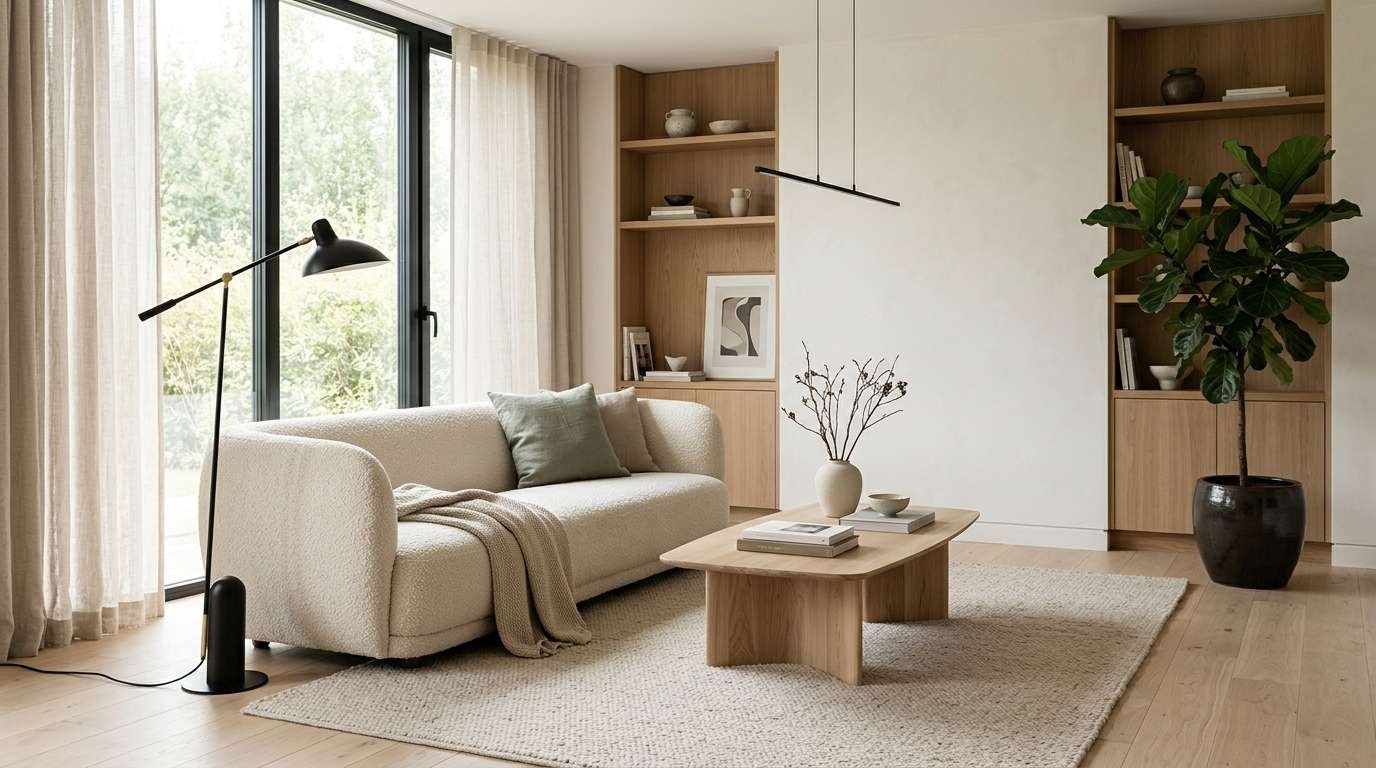

Scandinavian interior design makes a home feel bright, calm, warm, and genuinely livable. The style relies on pale colors, natural materials, functional furniture, soft lighting, useful storage, and a restrained approach to decoration.
The best Scandinavian interiors have a particular quality: everything feels considered, yet the room still feels comfortable enough for everyday life. You can achieve that look in a small apartment, a family home, or a luxury space without replacing every piece of furniture.
Quick answer: Scandinavian interior design combines functional furniture, natural materials, light colors, simple shapes, layered lighting, and cozy textiles. The goal is a comfortable home where useful objects and beautiful details work together naturally.
Table of Contents
What Is Scandinavian Interior Design?
Scandinavian interior design is a style associated primarily with Denmark, Sweden, and Norway. It developed around practical living, natural light, craftsmanship, comfort, and furniture that serves a clear purpose.
The style became widely recognized during the 20th century as Scandinavian designers produced furniture and household objects with clean silhouettes and strong everyday function.
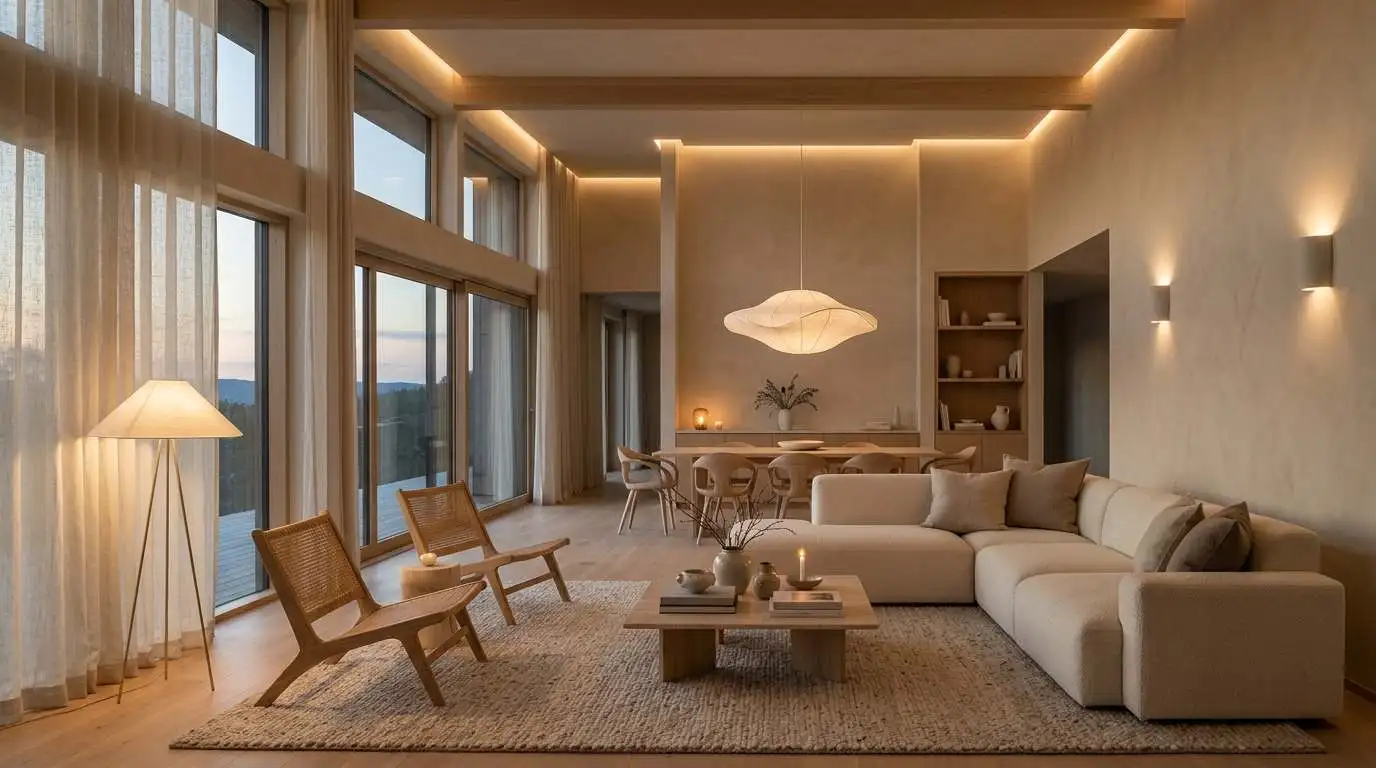
A typical Scandinavian room might combine a pale oak table, a soft wool rug, linen curtains, a sculptural lamp, white walls, and a few carefully chosen decorative objects.
The result feels fresh without feeling sterile.
The Five Core Ideas
| Principle | What it looks like at home |
|---|---|
| Function | Furniture serves a practical purpose |
| Light | Pale walls and layered lighting keep rooms bright |
| Nature | Wood, wool, linen, stone, leather, and plants |
| Simplicity | Clean shapes and limited visual clutter |
| Comfort | Soft textiles, warm lighting, and inviting seating |
These principles give you a framework for decorating without forcing every room into a rigid formula.
What Are the Main Characteristics of Scandinavian Style?
Scandinavian interiors usually share several recognizable features.
1. Light, Airy Colors
White, warm gray, cream, beige, pale blue, muted green, and soft taupe form the foundation of many Scandinavian rooms.
White walls are especially useful where natural daylight is limited. They reflect available light and create a clean backdrop for wood furniture and textiles.
Pure white can feel sharp in some homes, so warmer whites and creamy neutrals often create a softer effect.
2. Natural Wood
Wood brings warmth to the restrained color palette.
Light oak, ash, pine, and birch are especially common choices. Use wood through flooring, dining tables, chairs, shelving, stools, cabinets, picture frames, or small decorative pieces.
A pale wood coffee table against a cream sofa can completely change the character of a living room.
3. Simple Furniture
Scandinavian furniture often has clean lines, tapered legs, rounded corners, and relatively simple profiles.
Choose a sofa with a relaxed silhouette rather than one covered in excessive decorative details. Pair it with a practical coffee table, a comfortable armchair, and a floor lamp.
The furniture should leave enough open space for the room to breathe.
4. Layered Lighting
Lighting matters enormously in Scandinavian interiors because northern European winters bring long periods of limited daylight.
Use several light sources instead of depending on one ceiling fixture.
A practical combination might include:
- A central pendant
- A floor lamp beside the sofa
- A table lamp on a console
- Small accent lights on shelves
- Candles for evening atmosphere
Warm bulbs generally create a more inviting evening setting than very cool white light.
5. Cozy Textiles
Scandinavian rooms rely on tactile materials to keep simple spaces comfortable.
Think wool throws, linen curtains, cotton cushions, knitted blankets, sheepskin accents, and textured rugs.
Layering these materials adds depth while keeping the furniture relatively simple.
Scandinavian Color Palette: Which Colors Work Best?
A Scandinavian color palette usually begins with a neutral foundation and introduces gentle natural shades.
| Base color | Supporting colors | Best use |
| Warm white | Beige, oak, sage | Living rooms |
| Soft gray | Charcoal, cream, pale blue | Bedrooms |
| Cream | Tan, brown, muted green | Cozy interiors |
| Pale beige | White, wood, black | Open-plan spaces |
| Soft blue | Gray, cream, natural wood | Bedrooms and bathrooms |
| Sage green | Beige, white, oak | Dining and living spaces |
Black can work beautifully as an accent.
A black pendant, picture frame, chair leg, or small side table gives a pale room a little visual definition.
The trick is proportion. Large areas of dark color can shift the room toward a different design direction, while smaller accents retain the lighter Scandinavian character.
How to Create a Scandinavian Living Room
Start with the largest pieces.
Choose a comfortable sofa in cream, beige, light gray, or muted taupe. Add a wood coffee table and a rug with subtle texture.
Then build the room in layers.
Step 1: Create a Neutral Foundation
Keep the walls and major furniture relatively quiet.
This gives you room to introduce texture through cushions, rugs, throws, artwork, and smaller furniture.
Step 2: Add Natural Wood
A light oak coffee table, wooden side table, or open shelving unit immediately brings warmth into a pale room.
You don’t need wood everywhere. A few substantial pieces usually have more impact than dozens of small wooden accessories.
Step 3: Layer Textiles
Place a textured rug beneath the seating area.
Add two or three cushions in different fabrics. Finish with a folded wool or knitted throw over the sofa.
Texture matters more than excessive pattern.
Step 4: Add Warm Lighting
Place a floor lamp beside the sofa and a table lamp on a nearby surface.
If your room has a reading chair, give it its own light source. A well-lit corner can make a room feel more useful after sunset.
Step 5: Keep Decoration Selective
Choose artwork, ceramics, books, plants, and personal objects that you genuinely like.
Leave some surfaces partially empty.
That open space is part of the design.
How to Design a Scandinavian Bedroom
A Scandinavian bedroom should feel quiet and comfortable from the moment you walk through the door.
Begin with a simple upholstered or wooden bed frame. Dress it with white, cream, beige, gray, or muted earthy bedding.
Linen works particularly well because its natural texture gives plain bedding more character.
Add:
- A soft bedside lamp
- A small wooden nightstand
- A textured area rug
- Simple artwork
- Linen curtains
- A wool or knitted throw
- A basket for blankets or clothing
Avoid filling every wall.
One large artwork or a small group of related prints can provide enough decoration.
Scandinavian Kitchen Ideas
Scandinavian kitchens combine practicality with a clean visual appearance.
White or pale cabinets pair naturally with wood countertops, light stone surfaces, brushed metal hardware, and simple pendant lights.
Open shelving can work well when you actually use the items displayed on it.
Place everyday ceramics, wooden cutting boards, glass jars, or a few cookbooks on the shelves. Keep the arrangement loose rather than perfectly symmetrical.
Scandinavian Kitchen Materials
Good choices include:
- Light oak
- Ash
- White-painted cabinetry
- Natural stone
- Ceramic
- Brushed metal
- Linen
- Glass
A wooden dining table can soften an otherwise white kitchen and create a natural gathering point.
How to Make a Small Apartment Scandinavian
Small spaces are particularly well suited to Scandinavian principles because the style values useful furniture and visual breathing room.
Choose furniture with practical proportions.
A slim sofa can work better than an oversized sectional. A round dining table can improve circulation in a compact room. Wall-mounted shelving can use vertical space without taking over the floor.
Look for furniture that performs two jobs.
Examples include:
- Storage ottomans
- Benches with hidden storage
- Extendable dining tables
- Beds with drawers
- Folding desks
- Nesting tables
- Wall-mounted cabinets
Keep the color palette relatively consistent between connected areas. This makes a small apartment feel more cohesive.
Scandinavian vs. Minimalist Interior Design
Scandinavian design and minimalism share clean lines and restrained decoration, but their atmosphere can differ.
| Feature | Scandinavian | Minimalist |
| Main focus | Function + comfort | Simplicity + reduction |
| Materials | Wood, wool, linen, leather | Wide range of refined materials |
| Color | Warm neutrals and muted colors | Often monochromatic |
| Texture | Strong role | Usually restrained |
| Decoration | Personal and selective | Kept very limited |
| Atmosphere | Warm and relaxed | Calm and pared back |
Scandinavian design gives you more freedom to layer blankets, books, plants, artwork, and personal objects.
Scandinavian vs. Japandi Style
Japandi blends Scandinavian design with Japanese influences.
The two styles share natural materials, simple furniture, neutral colors, and a preference for calm spaces.
Japandi often introduces deeper wood tones, earthy colors, low furniture, handmade ceramics, and a stronger sense of Japanese restraint.
If you like Scandinavian interiors but want a slightly earthier and more grounded room, Japandi may be worth considering.
How to Add Scandinavian Style Without Replacing Your Furniture
You can change the atmosphere of a room through smaller updates.
Start with textiles.
Replace heavy patterned cushions with linen or cotton covers in cream, beige, gray, muted blue, or sage. Add a textured throw and a simple rug.
Then examine your lighting.
Swap harsh overhead lighting for warm table and floor lamps.
Next, reduce visual clutter.
Group small decorative objects together instead of spreading them across every surface. Put everyday clutter into baskets, boxes, or closed storage.
Finally, introduce natural materials.
A wooden tray, ceramic vase, woven basket, linen curtains, or wool blanket can shift the mood considerably.
Scandinavian Interior Design on a Budget
You don’t need a designer furniture collection to create the look.
Spend more carefully on pieces you use every day, such as the sofa, mattress, dining table, or primary lighting.
Save money on accessories.
Secondhand wooden furniture can be particularly useful. A tired pine table can often be cleaned, sanded, and refinished rather than replaced.
For affordable Scandinavian-inspired accessories, look for:
- Linen-look cushion covers
- Wool-blend throws
- Wooden trays
- Simple ceramic vases
- Woven baskets
- Paper or fabric lampshades
- Neutral rugs
- Minimal picture frames
A few strong pieces usually create a better result than a room packed with inexpensive decorations.
Common Scandinavian Design Mistakes
Making Everything White
White walls provide a useful foundation, but an all-white room can feel flat.
Add wood, beige, warm gray, natural fibers, plants, and darker accents to give the room visual variation.
Buying Too Much Matching Furniture
A room full of identical furniture can feel like a showroom.
Mix materials and silhouettes while keeping the overall palette controlled.
Ignoring Lighting
A beautiful room can feel completely different at night if the only light source is a bright ceiling fixture.
Use several lamps at different heights.
Removing Too Much Personality
Scandinavian design leaves room for personal objects.
Display the books you read, artwork you love, travel finds, family photographs, handmade ceramics, and objects with a story.
Using Too Many Decorative Objects
The opposite problem is equally common.
Give your favorite objects space around them. A single ceramic vase on a wooden table can have more visual presence than ten small accessories crowded together.
How to Choose Scandinavian Furniture
Before buying a piece, ask four simple questions:
- Does it serve a useful purpose?
- Will its proportions work in the room?
- Does the material suit the rest of the space?
- Will you still enjoy its shape several years from now?
For a sofa, consider depth, seat height, fabric durability, and cleaning requirements.
For a dining table, measure the room carefully and leave enough clearance around the chairs.
For storage furniture, consider what you actually need to store before choosing the size.
When shopping online, check dimensions rather than relying on product photography. A chair can look compact in a large showroom photograph and feel enormous in a small apartment.
Natural Materials That Work in Scandinavian Interiors
Materials are one of the easiest ways to give a simple room more character.
Wood
Use oak, ash, birch, or pine for furniture and decorative details.
Wool
Wool rugs and throws provide warmth and texture, particularly during colder months.
Linen
Linen curtains and cushion covers have a relaxed texture that works beautifully with pale interiors.
Leather
A leather chair or small leather accent can introduce depth without requiring a major color change.
Ceramic
Handmade-looking ceramics add subtle variation to shelves, dining tables, and bedside surfaces.
Woven Fibers
Rattan, jute, seagrass, and similar fibers can soften a room while adding natural texture.
How to Bring Scandinavian Style Into a Luxury Home
Scandinavian design works surprisingly well with high-end interiors.
Choose fewer pieces and pay closer attention to craftsmanship, material quality, proportions, and lighting.
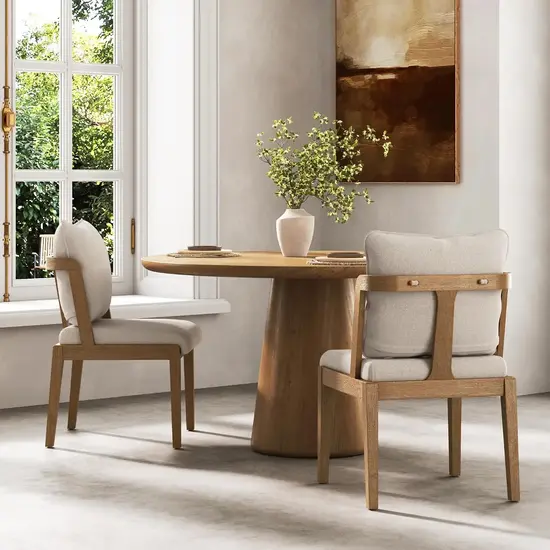
A large oak dining table paired with sculptural chairs can create a sophisticated dining room without excessive decoration.
In a bedroom, high-quality linen bedding, wool carpeting, custom curtains, and beautifully made lighting can give the space a quiet sense of luxury.
For a luxury Scandinavian living room, concentrate on:
- Natural stone
- High-quality wood
- Premium linen
- Wool
- Sculptural lighting
- Handcrafted ceramics
- Tailored upholstery
- Original artwork
Luxury comes through material quality and thoughtful selection.
Key Takeaways
- Scandinavian interior design combines function, comfort, natural materials, and simple forms.
- Light colors create an airy foundation for furniture and decorative pieces.
- Natural wood adds warmth to pale interiors.
- Layered lighting makes rooms more inviting after dark.
- Wool, linen, cotton, leather, ceramics, and woven fibers add texture.
- Small homes benefit from multifunctional furniture and practical storage.
- Personal objects keep Scandinavian interiors from feeling generic.
- You can create the look gradually through lighting, textiles, wood accents, and decluttering.
Scandinavian design works because it gives everyday living a clear place in the decorating process. A chair should be comfortable. A lamp should make reading easier. A table should invite people to sit down.
Build the room around those simple ideas, then add the colors, textures, materials, and personal details that make the space yours.
Frequently Asked Questions
What are the main features of Scandinavian interior design?
The main features include light colors, natural wood, simple furniture, practical storage, layered lighting, soft textiles, and selective decoration. The overall atmosphere is bright, comfortable, functional, and relaxed.
What colors are used in Scandinavian interior design?
Common colors include white, cream, beige, warm gray, pale blue, muted green, taupe, and natural wood tones. Black and charcoal are often used as small accents.
Is Scandinavian design still popular?
Yes. Its practical furniture, natural materials, restrained color palettes, and comfortable atmosphere continue to work well in modern homes, apartments, and smaller spaces.
How do I make my home look Scandinavian?
Start with a neutral foundation, add light wood, simplify furniture arrangements, introduce natural textiles, improve your lighting, and keep decorative objects selective.
Can Scandinavian design work in a small home?
Yes. The style works especially well in smaller homes because it favors practical furniture, open floor space, simple color palettes, and efficient storage.
What is the difference between Scandinavian and Japandi design?
Scandinavian design typically feels lighter and softer, while Japandi combines Scandinavian principles with Japanese influences such as darker wood, earthy colors, low furniture, and handmade materials.
Does Scandinavian design have to be white?
No. White is common, but cream, beige, warm gray, muted green, pale blue, and earthy shades can create a Scandinavian atmosphere too.
What wood is best for Scandinavian interiors?
Light woods such as oak, ash, birch, and pine are common choices. The best option depends on the furniture, flooring, lighting, and overall color palette of your room.

Leave a Reply