
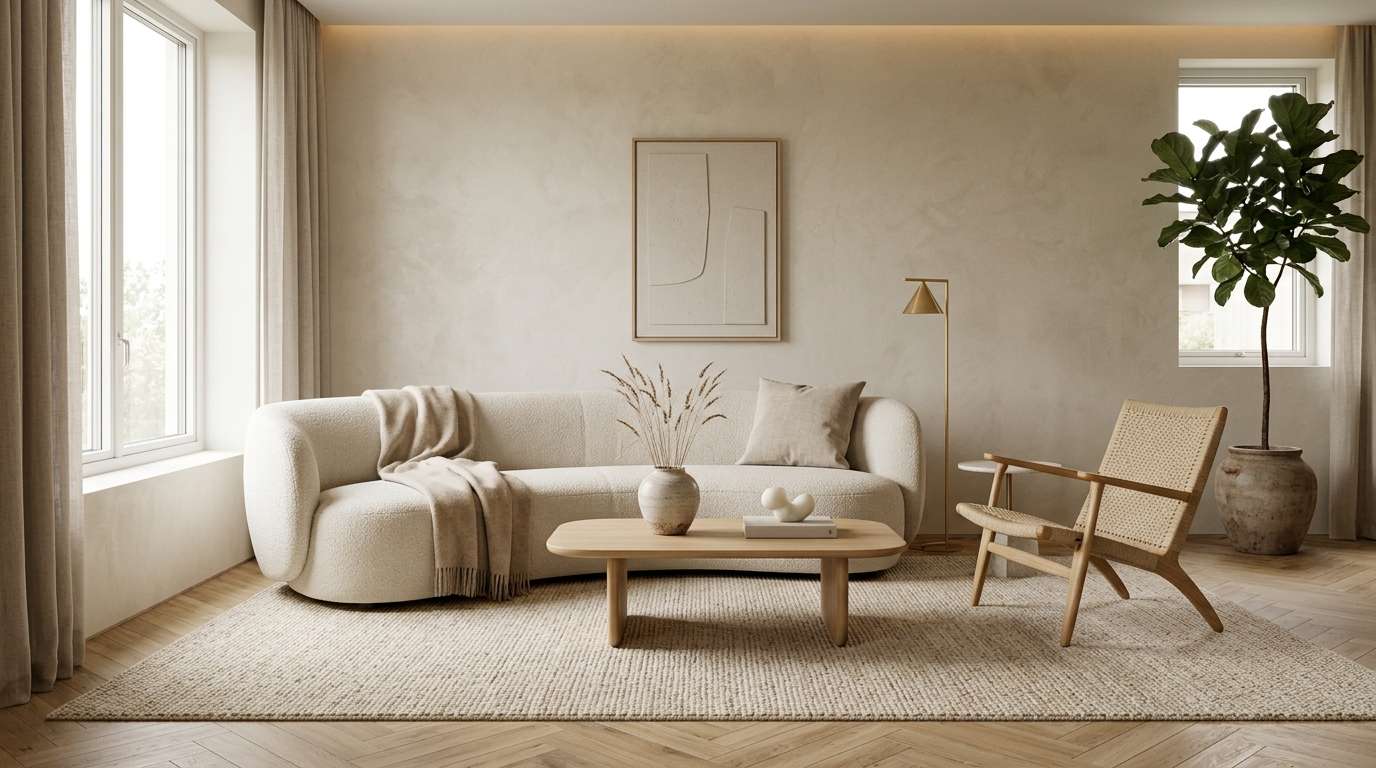

Minimalist furniture is no longer limited to stark white rooms, empty surfaces, and ultra-modern interiors. Today, the best minimalist furniture brands combine clean lines, thoughtful proportions, quality materials, practical function, and visual warmth to create homes that feel calm rather than cold.
We believe minimalist furniture works best when every piece has a reason to be there. Instead of filling a room with matching sets or short-lived trends, we can choose fewer pieces with stronger design, better proportions, and enough versatility to remain useful as our homes evolve.
From Scandinavian-inspired furniture to modern American design, several brands have developed distinctive approaches to minimalist living. Some focus on accessible contemporary furniture, while others specialize in investment pieces, modular systems, or iconic modern design.
Here are the minimalist furniture brands worth exploring when we want a home that feels simple, sophisticated, functional, and intentional.
Table of Contents
What Makes a Furniture Brand Minimalist?
Before choosing a brand, it helps to understand what actually defines minimalist furniture.
Minimalism is not simply the absence of decoration. Good minimalist furniture balances form and function. A dining table may have a simple silhouette, but its proportions, materials, construction, and usability determine whether it feels genuinely considered.
Common characteristics include:
- Clean, uncomplicated silhouettes
- Neutral or restrained color palettes
- Natural wood and honest materials
- Slim or architectural profiles
- Functional storage
- Modular or adaptable designs
- Limited decorative detailing
- Durable construction
- Timeless proportions
- Furniture that works comfortably in different interiors
Scandinavian design is particularly influential in this area. Contemporary Scandinavian furniture often combines minimal forms with natural materials, muted colors, functionality, and warmth.
The goal is not to make a room look empty. The goal is to make each element feel deliberate.
1. Muuto: Contemporary Scandinavian Minimalism
Muuto is an excellent reference point for modern Scandinavian minimalism.
The brand takes traditional Nordic design principles and interprets them through contemporary materials, shapes, and colors. Muuto describes its approach around enduring aesthetics, functionality, craftsmanship, and new perspectives on Scandinavian design.
This makes the brand particularly useful for homeowners who want minimalist furniture without creating a sterile environment.
Muuto’s collection includes seating, tables, storage, lighting, and accessories. Its furniture frequently introduces subtle curves, soft colors, tactile materials, and sculptural details while maintaining a restrained overall appearance.
We especially like this approach for warm minimalism, where a room needs simplicity but still has to feel comfortable and lived-in.
2. HAY: Playful Minimalist Furniture
HAY demonstrates that minimalist furniture does not have to be serious.
The Danish brand is known for contemporary furniture and accessories that use relatively simple forms while incorporating color, personality, and practical design.
HAY works particularly well when we want the structure of a minimalist interior without committing to an entirely neutral palette.
A simple chair in a muted blue, soft green, warm red, or another carefully chosen color can become an accent without overwhelming the room.
This makes HAY useful for modern apartments, dining areas, home offices, and creative spaces where functionality and personality need to coexist.
3. Design Within Reach: Modern Design Classics
Design Within Reach occupies a different position from contemporary minimalist retailers.
Its collection includes modern classics alongside contemporary designs from established and emerging designers. The company’s current brand directory includes names such as Herman Miller, Muuto, Fritz Hansen, Carl Hansen & Søn, Knoll, Vitra, USM, and many others.
For anyone interested in minimalist furniture with a strong design heritage, this is an important destination.
Design Within Reach also carries iconic modernist furniture associated with designers such as Charles and Ray Eames, Arne Jacobsen, and Ludwig Mies van der Rohe.
The appeal is longevity. A well-designed modern classic can remain relevant long after a particular decorating trend disappears.
4. Article: Accessible Modern Minimalism
Article is worth considering when we want contemporary furniture with clean silhouettes without moving immediately into the investment-furniture category.
The brand’s aesthetic generally works well with modern, Scandinavian, mid-century, and transitional interiors.
Article can be particularly useful when furnishing a complete living room because its range allows us to coordinate sofas, chairs, tables, beds, and other major pieces without creating an overly decorated appearance.
The key is to avoid buying an entire room as a matching collection. Instead, we can select one or two foundational pieces and combine them with different materials and silhouettes.
That approach creates a more collected minimalist interior.
5. Floyd: Modular Furniture for Modern Homes
Floyd takes a practical approach to contemporary furniture.
Its designs are particularly relevant to people who move frequently, live in apartments, or want furniture that can adapt as their needs change.
Modularity is an important part of modern minimalism because it reduces the need to replace furniture whenever a room changes.
A modular sofa, adaptable shelving system, or flexible table can serve multiple configurations over time. That makes the furniture more useful while supporting a less wasteful approach to decorating.
For small-space living, this flexibility can be more valuable than simply choosing the smallest possible piece.
6. Blu Dot: Sculptural Modern Minimalism
Blu Dot is another strong option for homeowners who prefer minimalist furniture with more personality.
Rather than reducing every design to a basic rectangle or cylinder, Blu Dot often incorporates unusual proportions and sculptural forms.
This is useful when we want a minimalist room to have a focal point.
A sculptural coffee table, distinctive lounge chair, or unusually shaped pendant can provide visual interest while the rest of the room remains restrained.
The principle is simple: one expressive piece can often do more than a room full of decorative objects.
7. IKEA: Practical Scandinavian-Inspired Minimalism
IKEA remains one of the most accessible ways to introduce Scandinavian-inspired simplicity into a home.
The appeal is not simply affordability. IKEA has made functional, space-conscious furniture a central part of its design language.
Simple shelving, streamlined storage, compact desks, minimalist beds, and clean-lined tables can provide the structural foundation for an uncluttered interior.
We can also use IKEA strategically rather than furnishing an entire home with one visual language. A simple storage unit, for example, can be combined with a vintage chair, natural wood table, or higher-end lighting.
That mixture often makes a room feel more personal.
8. String Furniture: Minimalist Storage That Works Vertically
String Furniture is particularly interesting for minimalist storage.
The brand’s modular shelving approach allows storage to become part of the architecture of a room rather than simply occupying floor space.
This is especially valuable in smaller homes.
Instead of adding another bulky cabinet, we can use vertical shelving to store books, ceramics, artwork, kitchen equipment, or everyday objects while keeping the floor visually open.
Minimalist interiors depend heavily on good storage, because clutter can undermine even the most beautifully designed room.
9. West Elm: Softened Modern Minimalism
West Elm is useful for homeowners who want modern furniture without the severity associated with ultra-minimal interiors.
Its collections often combine contemporary silhouettes with natural wood, textured upholstery, organic shapes, and warm finishes.
That makes it particularly compatible with warm minimalist, Japandi, Scandinavian, and modern organic interiors.
Rather than choosing a room full of identical furniture, we can use one West Elm sofa or bed as an anchor and build the rest of the space around it.
10. Herman Miller: Functional Design With Lasting Appeal
Herman Miller is especially relevant for home offices and workspaces.
The company’s design heritage demonstrates an important principle of minimalism: furniture can be visually simple while being technically sophisticated.
A minimalist desk or ergonomic chair does not need decorative embellishment when its proportions, ergonomics, and construction already provide the visual interest.
For a home office, this can produce a much calmer environment than filling the room with unnecessary storage and accessories.
How to Choose Between Minimalist Furniture Brands
Choosing a minimalist furniture brand should begin with the room rather than the brand.
We can first determine what the space needs.
For a small apartment, modular and multifunctional furniture may be more useful than large statement pieces. For a spacious living room, a sculptural sofa or substantial coffee table may provide the visual anchor.
For a bedroom, natural wood, soft upholstery, and understated storage can create a more restful atmosphere.
For a home office, ergonomic performance should take priority over appearance alone.
We should also consider materials. Oak, walnut, ash, leather, wool, linen, steel, and stone can all work beautifully in minimalist interiors, but combining too many materials can make the room feel visually busy.
A useful approach is to select two or three primary materials and repeat them throughout the space.
Minimalist Furniture Does Not Mean Buying Less Carefully
One of the biggest mistakes we can make with minimalism is assuming that a simple-looking piece is automatically a good piece.
Because minimalist furniture has fewer decorative details, proportion and material quality become more noticeable.
A poorly proportioned chair will stand out. Cheap-looking finishes will be obvious. An oversized sofa can overwhelm an otherwise carefully balanced room.
Before purchasing, we should measure the room, check the furniture dimensions, consider walking paths, and visualize how the piece will interact with existing furniture.
This is especially important online, where a product photograph can make a large sofa or dining table appear considerably smaller than it actually is.
How to Create a Minimalist Room Without Making It Feel Empty
A successful minimalist room needs more than empty space.
We can create warmth through texture, natural materials, lighting, artwork, plants, and carefully selected accessories.
For example, a simple living room might include:
- A streamlined sofa
- A natural wood coffee table
- One sculptural lounge chair
- A textured rug
- Warm layered lighting
- A small selection of books
- One or two meaningful decorative objects
- Natural greenery
The important part is editing.
Instead of asking what else the room needs, we can ask what can be removed without making the room less functional or comfortable?
That question captures the essence of intentional minimalism.
Minimalist Furniture and Intentional Living
The strongest minimalist interiors are not necessarily the emptiest ones. They are spaces where furniture, objects, colors, and materials have been selected with purpose.
Brands such as Muuto, HAY, Design Within Reach, Article, Floyd, Blu Dot, IKEA, String Furniture, West Elm, and Herman Miller demonstrate different interpretations of that philosophy. Some emphasize Scandinavian simplicity, others focus on modern classics, modularity, accessibility, ergonomics, or sculptural design.
Rather than following one brand’s entire collection, we can take inspiration from several approaches and build a home that reflects our own lifestyle.
The most enduring minimalist furniture is ultimately not about following a trend. It is about choosing fewer, better-considered pieces that make everyday life easier and more beautiful.
That is where minimalist furniture becomes more than a decorating style. It becomes a practical way to create a home with clarity, comfort, and character.


Leave a Reply