
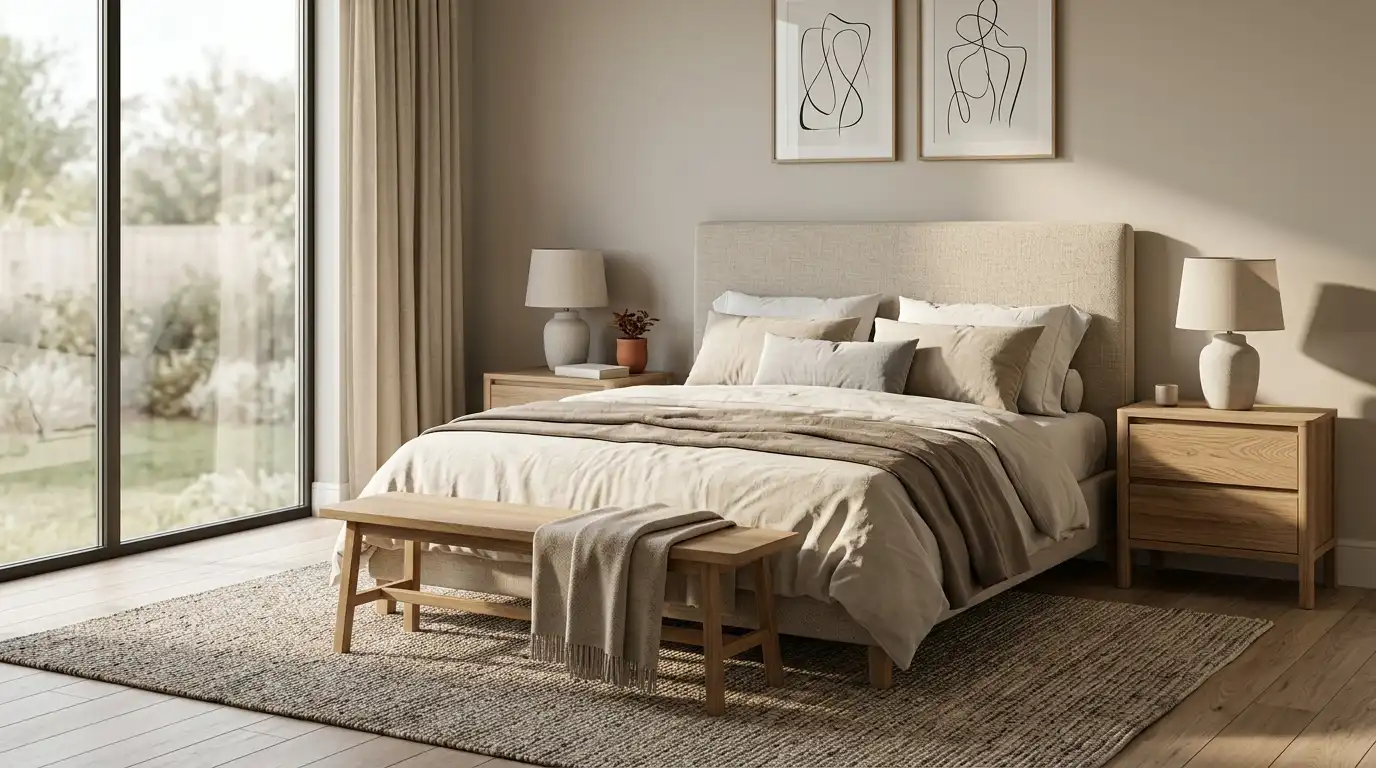

A well-designed bedroom can change how your entire home feels. The right layout, lighting, colors, furniture, and textiles can turn an ordinary room into a comfortable retreat that feels calm, personal, and easy to live in.
If you’re planning a bedroom makeover, our Bedroom Design PDF gives you a practical guide you can download and use while planning your space. It brings the major decisions together in one place, from choosing the right bed and color palette to arranging furniture, improving storage, and creating better lighting.
Download the Bedroom Design PDF
Whether you’re furnishing a new bedroom or refreshing a room you’ve lived with for years, having a clear plan can save you money, time, and plenty of second-guessing.
Table of Contents
What Is a Bedroom Design PDF?
A bedroom design PDF is a downloadable planning guide that brings bedroom design ideas, practical advice, layouts, decorating principles, and planning steps into one document.
Instead of searching through dozens of separate articles while making decisions, you can use a PDF guide as a reference while measuring your room, shopping for furniture, selecting colors, and arranging accessories.
Quick Bedroom Design Planning Guide
| Bedroom Element | What to Consider |
|---|---|
| Layout | Walking space, doors, windows, and furniture placement |
| Bed | Size, position, headboard, and visual balance |
| Color | Wall color, furniture tones, textiles, and mood |
| Lighting | Ceiling, bedside, accent, and natural light |
| Storage | Wardrobes, nightstands, drawers, and hidden storage |
| Textiles | Bedding, curtains, rugs, cushions, and throws |
| Accessories | Artwork, mirrors, plants, books, and decorative objects |
| Budget | Priorities, upgrades, secondhand options, and long-term pieces |
The Bedroom Design PDF is especially useful when you want to make these choices in the right order.
Why Download a Bedroom Design PDF Before Decorating?
Bedroom projects often become expensive because decisions are made one at a time without an overall plan.
You might buy a bed first, discover that it dominates the room, then add storage that blocks a walkway. Later, you may change the lighting or repaint because the original color doesn’t work with the furniture.
A planning guide helps you think about the room as a complete space.
You can work through the major decisions before spending money.
The downloadable format also makes the guide easy to save on your computer, tablet, or phone. You can refer to it while measuring the bedroom or shopping for furniture.
How to Plan Your Bedroom Design
A successful bedroom design starts with the room itself.
Before choosing colors or shopping for decorative pieces, measure the space and identify the fixed features that will influence your layout.
1. Measure the Bedroom
Measure the length and width of the room first.
Then record the location and dimensions of:
- Doors
- Windows
- Radiators
- Closets
- Built-in wardrobes
- Electrical outlets
- Heating and cooling equipment
- Architectural features
Write these measurements down before buying large furniture.
A simple floor plan can reveal problems that aren’t obvious when you’re standing in the room.
2. Decide How the Bedroom Will Be Used
A bedroom can serve several purposes.
You may need space for sleeping, dressing, reading, working, exercising, or storing clothes. A guest bedroom may have very different requirements from a primary bedroom.
Think about what you actually do in the room.
If you read before bed, bedside lighting deserves attention. If you work from the bedroom, you’ll need a practical desk area. If clothing storage is limited, wardrobe capacity becomes a major part of the design.
Your room should support your everyday routine.
Bedroom Layout Ideas That Make a Room Feel Better
Furniture placement has a major effect on how comfortable a bedroom feels.
The bed usually becomes the main visual anchor, so start there.
Position the Bed First
In many bedrooms, placing the bed against the largest uninterrupted wall creates a strong starting point.
Try to maintain comfortable walking space around the bed where the room allows it.
Avoid blocking doors, windows, heating units, or important storage areas.
If the room is small, the ideal arrangement may require compromises. A narrower nightstand, wall-mounted lighting, or storage bed can free up valuable floor space.
Keep Traffic Flow Clear
You should be able to walk naturally from the entrance to the bed, wardrobe, bathroom, or other frequently used areas.
Crowding every wall with furniture can make even a large bedroom feel cramped.
Leave breathing room around major pieces whenever possible.
A useful test is to walk through the room after placing the main furniture. Open drawers and wardrobe doors, too. A layout that looks good on paper can behave differently in real life.
Choosing the Right Bed and Headboard
The bed is usually the largest piece of furniture in a bedroom, which makes its proportions important.
A king-size bed may look beautiful in a large room but overwhelm a small one. A smaller bed can create more usable floor space and make storage easier.
Consider:
- Mattress size
- Bed-frame dimensions
- Headboard height
- Under-bed storage
- Material
- Color
- Overall room proportions
A headboard can also change the character of the room.
Upholstered headboards create a softer appearance, while wood, cane, metal, and panelled designs can create very different visual effects.
The key is to choose a bed that fits both the room and your lifestyle.
Bedroom Color Ideas
Color affects the visual mood of a bedroom, but you don’t need an elaborate color scheme to create a beautiful result.
Start with a base color for the walls.
Then build around it using bedding, curtains, rugs, furniture, artwork, and smaller accessories.
Popular Bedroom Color Directions
Warm neutrals: Beige, cream, taupe, sand, and warm white create a relaxed foundation.
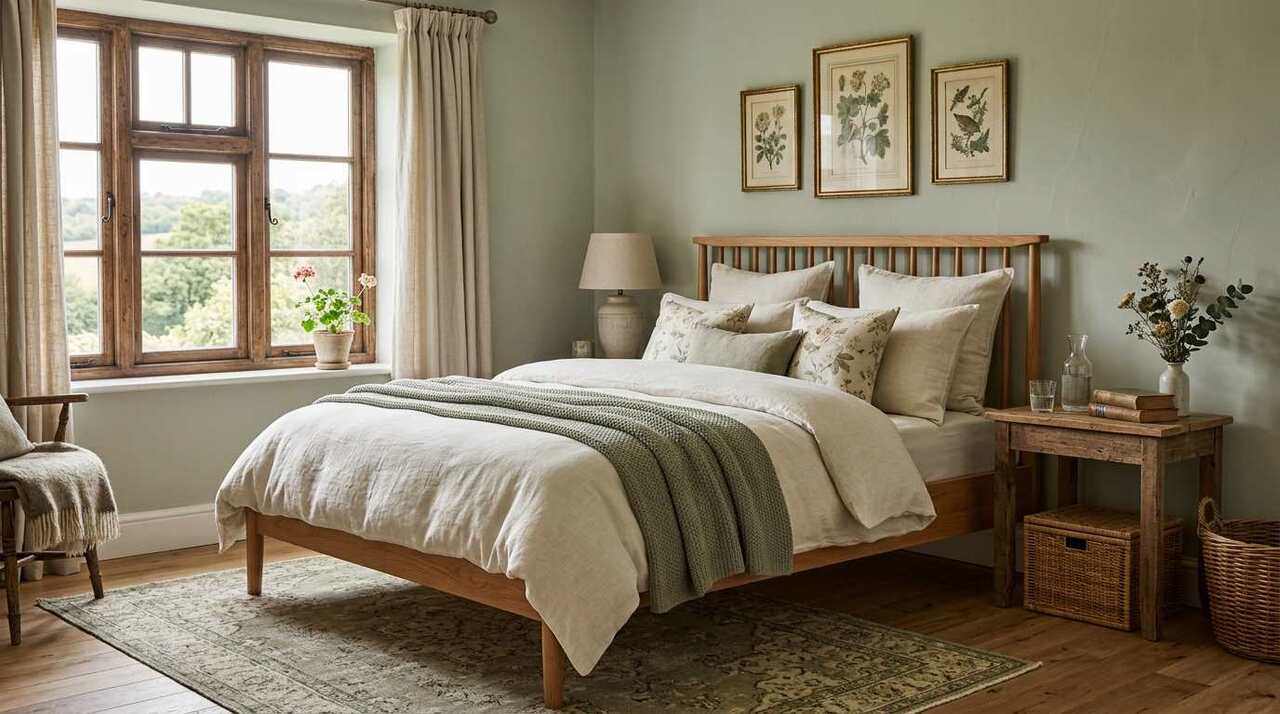
Earthy colors: Olive, terracotta, clay, brown, and muted green bring natural warmth.
Soft blues: Pale blue, dusty blue, and blue-gray can create a cooler visual atmosphere.
Deep tones: Navy, charcoal, forest green, and other darker shades can create a dramatic bedroom when balanced with good lighting.
Monochromatic palettes: Using several tones from the same color family creates a cohesive appearance without requiring many colors.
Before committing to paint, test samples at different times of day.
Natural light changes throughout the day, so a color that looks perfect in the morning can appear completely different at night.
Bedroom Lighting Guide
Good bedroom lighting needs more than one source.
A single ceiling fixture can provide general illumination, but it rarely creates the most comfortable atmosphere for a bedroom.
Think about lighting in layers.
Ambient Lighting
This provides general illumination throughout the room.
Depending on the bedroom, it could come from a ceiling fixture, recessed lights, or another central source.
Bedside Lighting
Bedside lamps or wall-mounted reading lights are practical additions.
They allow you to read or use the room at night without filling the entire bedroom with bright overhead light.
Accent Lighting
Accent lighting can draw attention to artwork, architectural details, shelving, or other features.
Even a small lamp placed in the right location can add warmth and depth.
Natural Light
Window treatments should balance privacy, daylight, and the appearance of the room.
Layered curtains can give you flexibility, while blinds or shades can provide more precise control over light.
Bedroom Furniture: What Do You Really Need?
A bedroom doesn’t need to be packed with furniture.
Start with the pieces that serve a clear purpose.
For many bedrooms, this means:
- Bed
- Nightstands
- Wardrobe or dresser
- Mirror
- Seating, when space permits
- Practical storage
A bench at the foot of the bed can be useful in a larger bedroom, but it isn’t necessary when floor space is limited.
The same applies to accent furniture.
Every additional piece takes up floor space, collects dust, and needs to work with the rest of the room.
Choose pieces based on how you’ll use them.
Small Bedroom Design Ideas
Small bedrooms benefit from careful planning.
The goal is to make every part of the room work harder while keeping the floor visually open.
Use Vertical Space
Tall wardrobes, wall shelves, and vertical storage can provide capacity without spreading furniture across the floor.
Choose Furniture Carefully
A bulky nightstand may take up valuable space that could be used for a narrower table or floating shelf.
Use Mirrors Strategically
A well-positioned mirror can reflect light and create a greater sense of visual depth.
Place it where it reflects something attractive, such as a window, artwork, or an open section of the room.
Keep the Palette Simple
A restrained color palette can make a small bedroom feel more visually organized.
This doesn’t mean everything needs to match.
Instead, choose a small group of complementary colors and repeat them through bedding, furniture, curtains, and accessories.
Large Bedroom Design Ideas
Large bedrooms create different challenges.
Too much empty space can make furniture appear disconnected from one another.
Use furniture to create functional zones.
For example, you could create:
- A sleeping zone
- A reading corner
- A dressing area
- A small sitting area
- A workspace
An area rug can help define the sleeping zone, while a chair and small table can establish a separate reading corner.
Large rooms also give you more freedom to use statement furniture, larger artwork, substantial lighting, and layered textiles.
Bedroom Storage Ideas
Storage is one of the most practical parts of bedroom design.
A beautiful bedroom becomes frustrating when clothes, shoes, bedding, and personal items have nowhere to go.
Consider combining several types of storage.
Built-In Storage
Built-in wardrobes can make efficient use of wall space and create a clean appearance.
Freestanding Wardrobes
Freestanding pieces offer flexibility and can often be moved when your needs change.
Under-Bed Storage
The area beneath the bed can store seasonal clothing, spare bedding, shoes, or other items.
Bedside Storage
Nightstands with drawers are useful for keeping everyday items close without leaving them visible.
Decorative Storage
Baskets, attractive boxes, trunks, and storage benches can combine practical use with visual appeal.
The best storage solution depends on the room’s size, your belongings, and how often you access them.
Bedroom Textiles That Add Comfort
Textiles can change the appearance of a bedroom quickly.
Start with bedding.
Then consider curtains, rugs, cushions, throws, and upholstered furniture.
You can create depth by mixing materials rather than adding endless patterns.
For example, cotton bedding can be paired with a textured throw, a woven rug, linen curtains, and a soft upholstered headboard.
The result feels layered without becoming visually busy.
Bedroom Design Styles to Consider
Your bedroom should reflect your taste and the architecture of the space.
Here are several popular directions.
Scandinavian Bedroom
Scandinavian bedrooms often use light colors, natural materials, simple furniture, and uncluttered arrangements.
Japandi Bedroom
Japandi combines Japanese simplicity with Scandinavian warmth. Think natural wood, restrained colors, clean shapes, and carefully selected accessories.
Modern Bedroom
Modern bedrooms often use clean lines, simple forms, neutral colors, and a controlled selection of materials.
Traditional Bedroom
Traditional rooms can include classic furniture, layered textiles, decorative molding, warm colors, and more detailed furnishings.
Minimalist Bedroom
Minimalist bedrooms focus on fewer possessions, simple forms, open floor space, and a limited color palette.
Organic Bedroom
Organic-inspired bedrooms use natural textures, earthy colors, wood, woven materials, stone, linen, and plants.
The best style is the one you can maintain comfortably over time.
How to Create a Calm Bedroom
A calm bedroom usually comes from several small decisions working together.
Reduce visual clutter.
Keep surfaces relatively clear.
Choose lighting that can be adjusted.
Use comfortable bedding.
Give frequently used belongings a dedicated storage location.
Keep decorative objects intentional.
You can also create a stronger sense of calm by repeating a few materials and colors throughout the room.
For example, warm wood could appear on the bed, nightstands, and frame of a mirror. A soft neutral could repeat in the curtains, bedding, and rug.
Repetition creates visual consistency.
Bedroom Design Mistakes to Avoid
A few common mistakes can make a bedroom harder to live with.
Buying Furniture Before Measuring
Always measure the room and the furniture dimensions.
Remember to account for doors, drawers, walking paths, and delivery access.
Using Only One Light Source
One ceiling light rarely provides the flexibility a bedroom needs.
Use multiple sources where practical.
Ignoring Storage
A lack of storage quickly turns into visible clutter.
Plan storage at the beginning rather than treating it as an afterthought.
Choosing Trends Over Your Lifestyle
A bedroom should work for the person using it.
A beautiful chair that becomes a clothes pile isn’t serving much purpose.
Choose furniture and accessories based on real habits.
Filling Every Empty Corner
Empty space can make a room feel more comfortable.
Give furniture room around it instead of assuming every corner needs decoration.
How to Use the Bedroom Design PDF
The Bedroom Design PDF works best as a planning companion.
Start by measuring your bedroom.
Then write down your priorities, such as better storage, improved lighting, a new bed, a different color scheme, or a complete redesign.
Use the guide to work through the major decisions before shopping.
You can also keep a simple bedroom budget.
Divide it into categories such as:
| Category | Priority |
|---|---|
| Bed and mattress | Essential |
| Storage | Essential |
| Lighting | High |
| Bedding | High |
| Curtains | Medium |
| Rug | Medium |
| Artwork | Optional |
| Decorative accessories | Optional |
This approach helps you spend money where it has the greatest practical effect.
Bedroom Products Worth Considering
Once your plan is established, a few practical products can make the finished room easier to use.
A supportive mattress should be treated as a major bedroom purchase because you’ll use it every night.
Blackout curtains or shades can help control light and privacy.
Bedside lamps provide useful task lighting without requiring the main ceiling fixture.
Storage baskets can help organize smaller items while keeping frequently used belongings accessible.
A full-length mirror can be particularly useful in bedrooms where dressing takes place.
When buying products, check measurements carefully and compare materials, maintenance requirements, warranties, and customer reviews.
Your bedroom design should guide your purchases rather than the other way around.
Download the Bedroom Design PDF
Planning a bedroom becomes much easier when you have the major decisions organized in one place.
The Bedroom Design PDF from CasaSnug brings together practical bedroom planning advice covering layout, furniture, color, lighting, storage, textiles, bedroom styles, small and large spaces, and finishing touches.
You can download the guide, save it for later, and use it while planning your own bedroom.
[Get the Bedroom Design PDF from CasaSnug]
Keep it nearby while measuring your room, creating your furniture plan, choosing materials, or preparing your shopping list.
A good bedroom project starts with a clear plan.
Key Takeaways
- A bedroom design PDF gives you a practical reference for planning your space.
- Measure your bedroom before buying large furniture.
- Position the bed first and build the layout around it.
- Plan storage early so clutter doesn’t become a problem later.
- Use several lighting sources for greater flexibility.
- Choose colors based on natural light, furniture, and personal taste.
- Small bedrooms benefit from vertical storage and appropriately scaled furniture.
- Large bedrooms can use furniture and rugs to create separate functional zones.
- Download the CasaSnug Bedroom Design PDF to keep your bedroom planning process organized.

Frequently Asked Questions About Bedroom Design PDFs
What is included in a bedroom design PDF?
A bedroom design PDF can include guidance on room layouts, furniture placement, bed selection, color schemes, lighting, storage, textiles, decorating styles, and practical planning. The CasaSnug guide brings these topics together in one downloadable resource.
Is a bedroom design PDF useful for a small bedroom?
Yes. A bedroom design PDF can help you think through furniture dimensions, storage, walking space, lighting, and color before purchasing anything. These decisions are especially useful when floor space is limited.
How do I start designing my bedroom?
Start by measuring the room and identifying doors, windows, storage, outlets, and other fixed features. Then decide how you’ll use the space, position the bed, plan storage, choose a color direction, and build the rest of the room around those decisions.
What should I buy first when designing a bedroom?
Start with the major functional pieces, especially the bed and storage. Lighting and window treatments should follow, while rugs, artwork, cushions, and decorative accessories can be added later.
What colors work well in bedrooms?
Warm neutrals, soft blues, earthy greens, muted browns, creams, and other restrained tones are popular bedroom choices. The best option depends on natural light, room size, furniture, and personal preference.
How can I make a small bedroom look bigger?
Use appropriately sized furniture, maintain clear walking areas, take advantage of vertical storage, keep the color palette controlled, and position mirrors where they can reflect light or open space.
How can I make my bedroom feel more luxurious?
Focus on proportion, comfortable bedding, layered lighting, quality-looking materials, restrained accessories, and a cohesive color palette. A well-planned room often feels more refined than a room filled with expensive decorative objects.
Can I use a bedroom design PDF when renovating an entire room?
Yes. A downloadable guide can act as a reference throughout the project, from the initial measurements and layout to furniture selection, lighting, colors, storage, textiles, and final accessories.
Recommended download CTA placement: Put the first Bedroom Design PDF download button immediately after the opening section, then repeat the CTA after the “How to Use the Bedroom Design PDF” section and near the end of the article. This gives readers multiple natural opportunities to download without making the article feel like a sales page.


Leave a Reply