
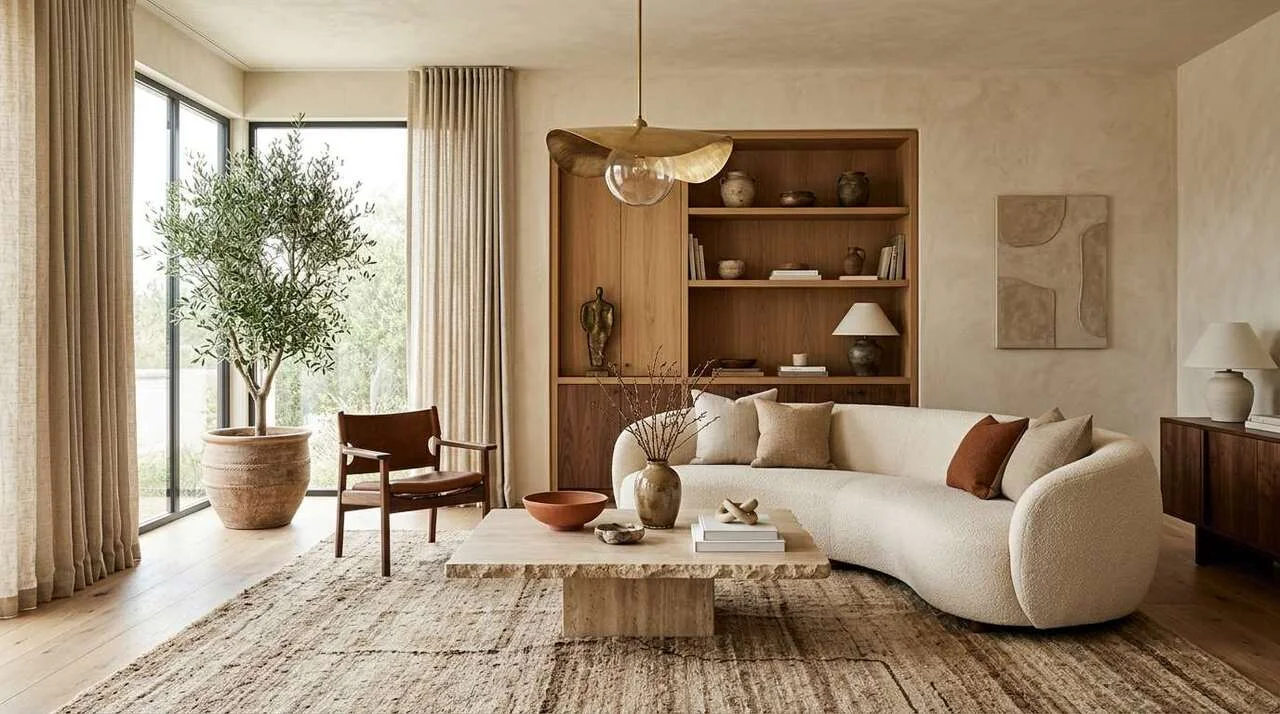

Home design in 2026 is moving toward spaces that feel personal, comfortable, refined, and intentionally lived-in. Rather than chasing a single decorating style, we are seeing interiors become more layered, tactile, and expressive.
The strongest 2026 home design trends combine timeless architecture with modern functionality. Natural materials, sophisticated colors, curved silhouettes, vintage influences, statement lighting, and quiet luxury continue to shape interiors, while homeowners increasingly prioritize rooms that support everyday rituals.
The result is a more thoughtful approach to decorating: fewer disposable trends and more investment in pieces, finishes, and layouts that can remain beautiful for years.
Table of Contents
1. Warm Minimalism Replaces Cold Minimalism
Minimalist interiors are not disappearing, but their character is changing.
The stark white rooms, severe lines, and almost empty spaces associated with earlier versions of minimalism are giving way to warm minimalism. This approach keeps the simplicity of minimal design while introducing natural textures, warmer colors, softer furnishings, and carefully selected decorative objects.
Think limestone, oak, linen, wool, plaster, travertine, handmade ceramics, and natural stone.
Instead of removing everything from a room, we focus on choosing fewer things that have greater visual and functional value.
A warm minimalist living room might feature a low-profile sofa, an oak coffee table, textured curtains, a sculptural lamp, and one large piece of artwork rather than numerous small accessories.
The space feels calm without feeling sterile.
2. Natural Materials Take Center Stage
One of the most important interior design directions for 2026 is the continued preference for materials that look and feel authentic.
Wood remains particularly influential, with homeowners gravitating toward natural oak, walnut, smoked wood, and richly grained timber.
Stone is equally important. Travertine, limestone, marble, and soapstone can be used for countertops, coffee tables, fireplaces, bathroom surfaces, shelving, and architectural details.
We are also seeing greater interest in materials with visible imperfections.
Handmade tiles don’t necessarily need perfectly uniform surfaces. Woven baskets can show natural variations. Wood can display knots and grain. Ceramics can retain evidence of the maker’s hand.
These details make contemporary homes feel less manufactured.
3. Earthy Colors Become the New Neutrals
Neutral interiors are becoming more colorful without becoming overwhelming.
For 2026, we can expect sophisticated earthy shades to play a larger role in residential interiors. Mushroom, clay, olive, chocolate brown, warm beige, muted terracotta, dusty green, and soft ochre work particularly well because they bring warmth while remaining relatively timeless.
Brown deserves special attention.
After years of gray dominating contemporary interiors, brown is becoming an important alternative. Deep chocolate walls, walnut furniture, caramel leather, and coffee-colored textiles can create an elegant atmosphere without the formality associated with some darker palettes.
For those who prefer lighter rooms, warm ivory and creamy beige can provide the foundation while earthy colors appear through furniture, rugs, artwork, and accessories.
4. Curved Furniture Softens Contemporary Interiors
Straight lines will always have a place in architecture, but furniture is becoming noticeably softer.
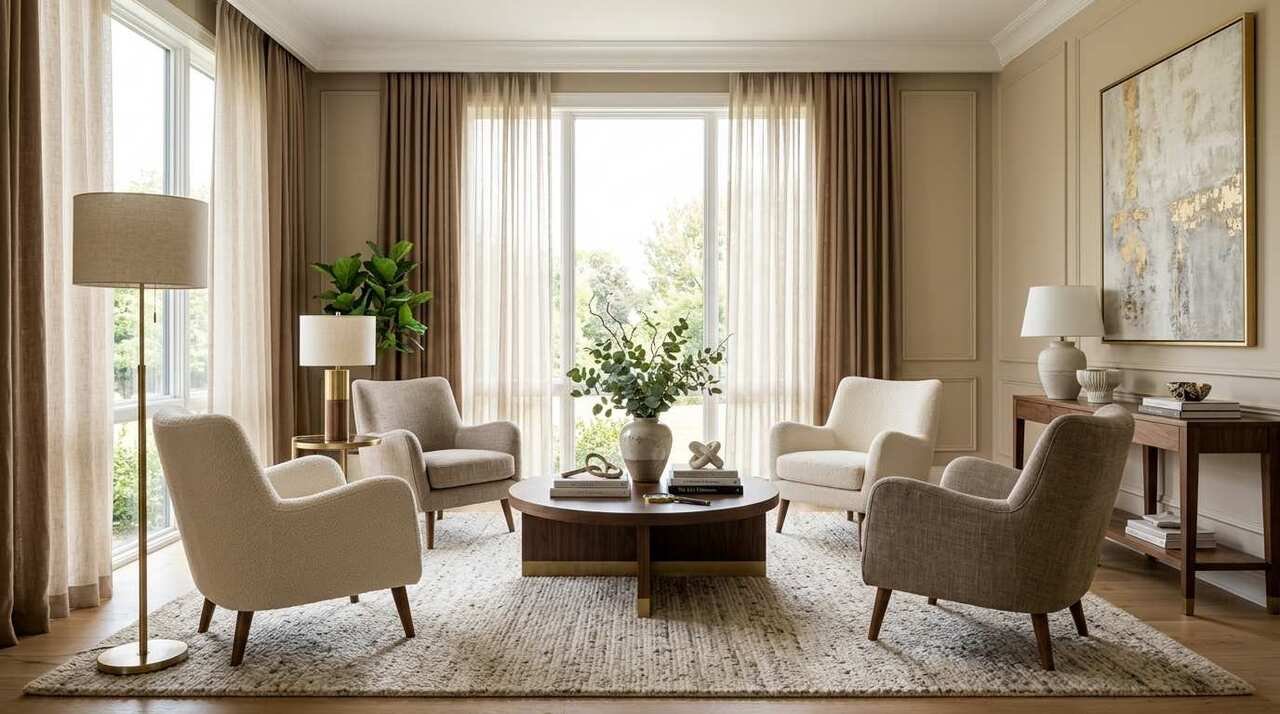
Curved sofas, rounded armchairs, circular coffee tables, arched mirrors, and sculptural lighting help introduce movement into rooms dominated by architectural lines.
Curves are particularly effective in living rooms.
A rounded sofa can make a large seating area feel more intimate, while a circular coffee table can improve movement around the room. An arched mirror can also soften a rectangular wall without requiring major renovations.
The key is balance.
A room does not need every piece of furniture to be curved. One or two organic silhouettes can create enough contrast to make the overall composition feel more sophisticated.
5. Quiet Luxury Becomes More Personal
Quiet luxury continues to influence interiors, but the concept is evolving beyond expensive-looking rooms.
In 2026, quiet luxury home design is less about displaying wealth and more about creating an environment that feels considered.
Quality materials matter, but so does restraint.
A well-made wool rug, solid wood dining table, tailored curtains, beautiful lighting, and a few meaningful accessories can create more impact than a room filled with recognizable designer objects.
We are also seeing a stronger emphasis on individuality.
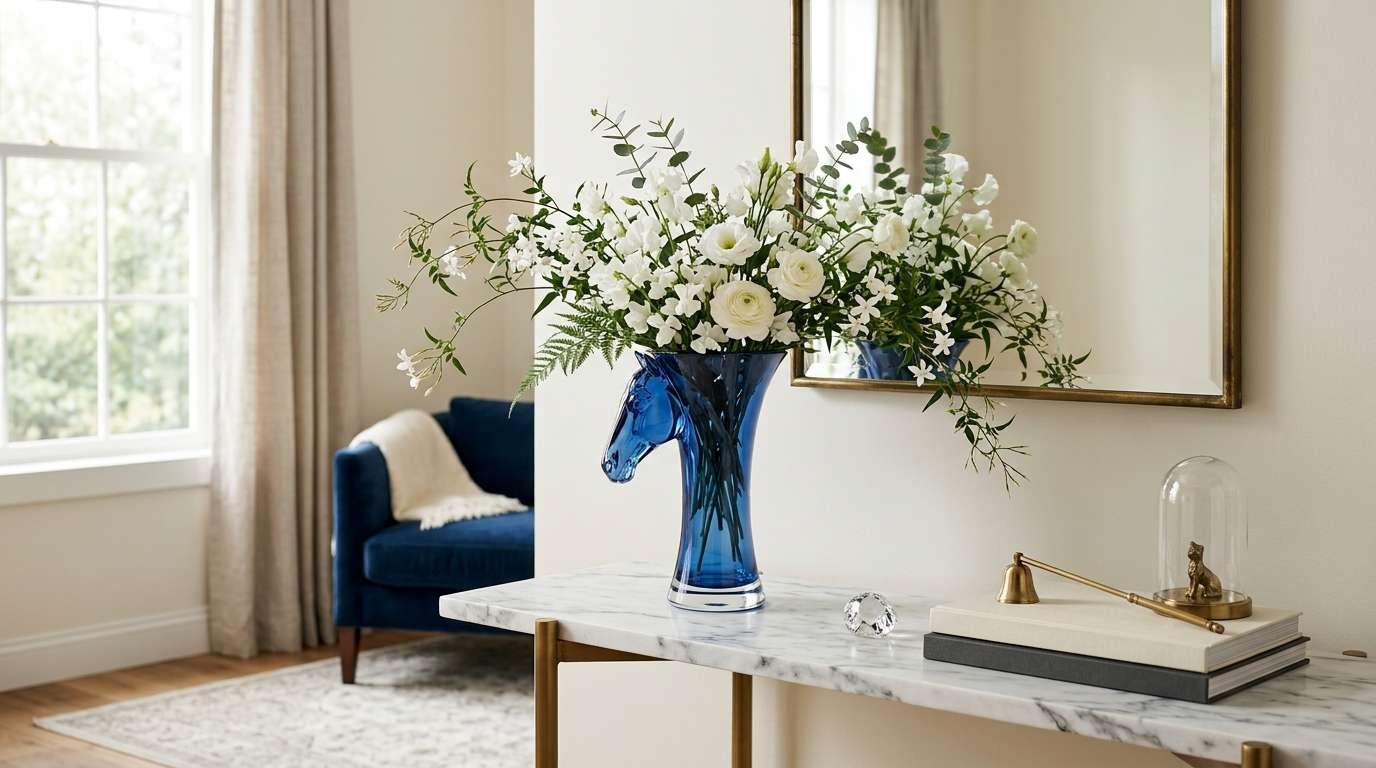
Vintage furniture, inherited pieces, travel finds, artwork, and handmade objects can prevent a sophisticated interior from becoming overly coordinated.
The goal is not to make a home look like a showroom.
The goal is to make it look like someone’s beautifully considered home.
6. Vintage and Modern Pieces Are Being Mixed
Perfectly matched furniture sets are becoming less appealing.
Instead, 2026 interiors increasingly combine old and new, polished and imperfect, contemporary and traditional.
A modern sofa might sit beside a vintage wooden side table. A contemporary kitchen can incorporate antique stools. A traditional dining room can feature modern lighting.
This contrast creates depth.
Vintage pieces also give rooms a sense of history, which can be difficult to achieve when every item has been purchased from the same contemporary collection.
We can use vintage furniture strategically rather than filling an entire room with antiques. One exceptional cabinet, mirror, chair, or table may be enough to establish personality.
7. Statement Lighting Becomes Architectural
Lighting is no longer treated simply as a functional necessity.
In 2026, statement lighting fixtures are becoming architectural focal points.
Oversized pendants, sculptural chandeliers, organic wall lights, and artistic floor lamps can serve as visual anchors even when the rest of the room remains understated.
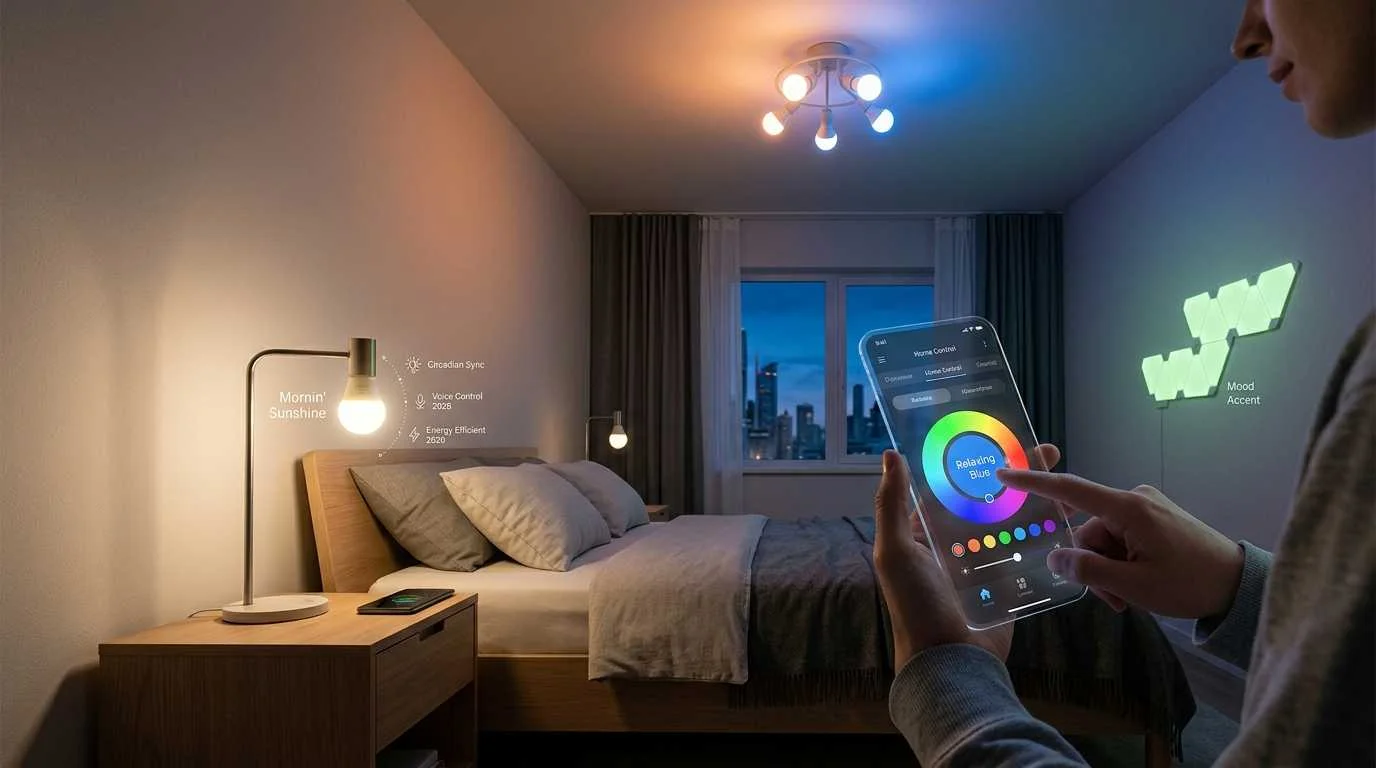
Layered lighting is particularly important.
Rather than depending on a single ceiling fixture, we can combine:
- Ambient ceiling lighting
- Decorative pendants
- Wall sconces
- Table lamps
- Floor lamps
- Accent lighting
- Under-cabinet illumination
This creates different moods throughout the day.
Warm, indirect lighting can make natural materials such as wood and stone appear considerably richer in the evening.
8. Textured Walls Add Depth
Paint remains one of the easiest ways to transform a room, but texture is becoming increasingly important.
Limewash, Venetian plaster, microcement, textured wallpaper, wood paneling, and decorative plaster finishes can introduce dimension without relying on excessive decoration.
Limewash is particularly useful for creating softly mottled walls with subtle tonal variation.
Plaster finishes can produce a more architectural effect, especially in bedrooms, living rooms, dining areas, and entryways.
The important consideration is restraint.
A textured wall becomes much more effective when the surrounding furniture and accessories allow it to remain visually prominent.
9. Kitchens Become More Residential
The kitchen continues to evolve from a purely functional workspace into an extension of the home’s living areas.
One of the most notable 2026 kitchen design trends is the move toward kitchens that feel more like furniture-filled rooms than commercial cooking spaces.
Cabinetry is becoming warmer and more integrated.
Wood cabinets, concealed appliances, stone backsplashes, furniture-style islands, open shelving, and decorative lighting help create a more residential atmosphere.
We can also expect fewer visually busy surfaces.
Integrated appliances and concealed storage allow countertops and architectural materials to become the focus.
10. The Dining Room Makes a Comeback
Open-plan living has dominated residential design for years, but homeowners are increasingly appreciating spaces designed for specific activities.
The dining room is one example.
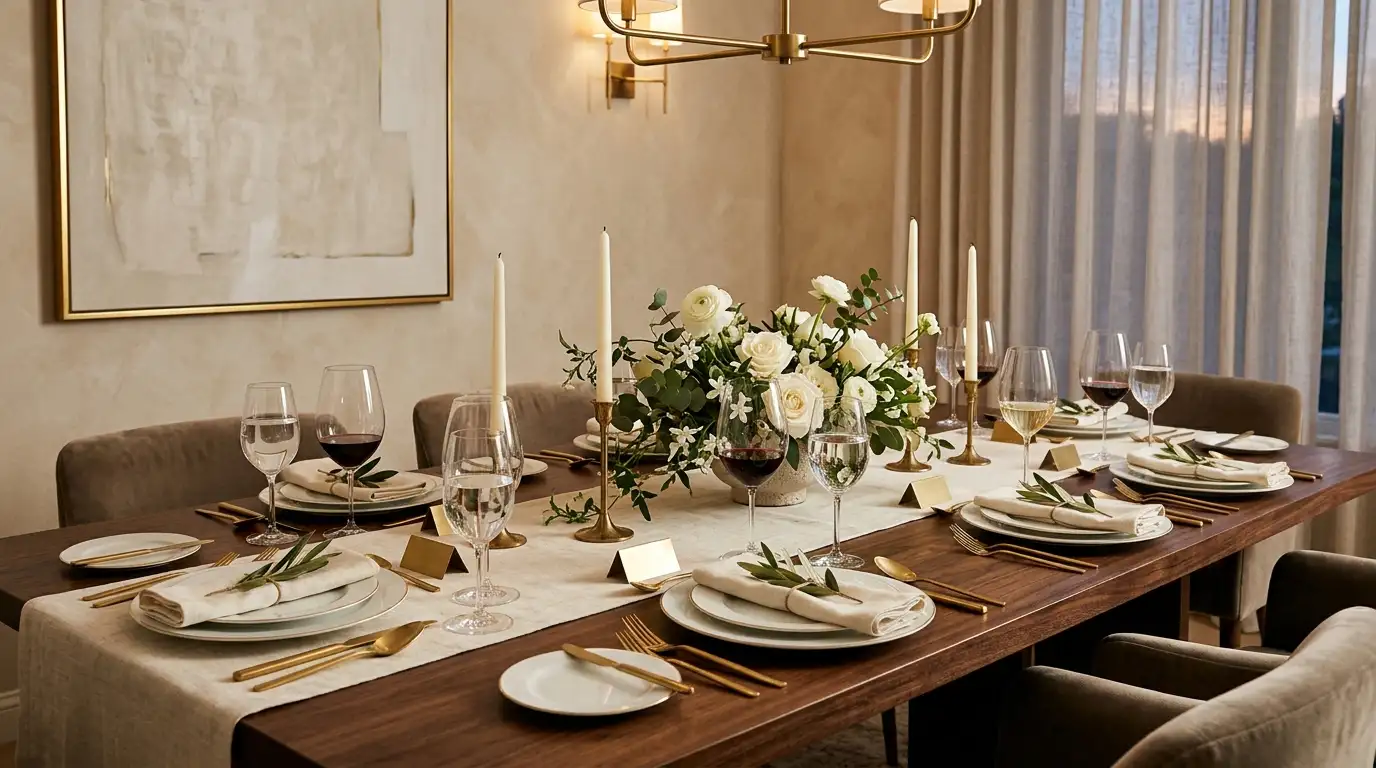
A dedicated dining space provides an opportunity for stronger design decisions. A dramatic chandelier, large artwork, textured wallpaper, sculptural dining chairs, and a substantial table can create an intimate environment for entertaining.
Even when a separate dining room isn’t possible, we can create the same feeling by visually defining the dining area within an open-plan space.
A distinctive pendant and area rug can establish boundaries without building walls.
11. Bedrooms Become More Cocooning
Bedrooms in 2026 are increasingly designed as restorative retreats.
Instead of treating the bedroom as simply a place for sleeping, we are creating spaces that encourage relaxation and disconnection.
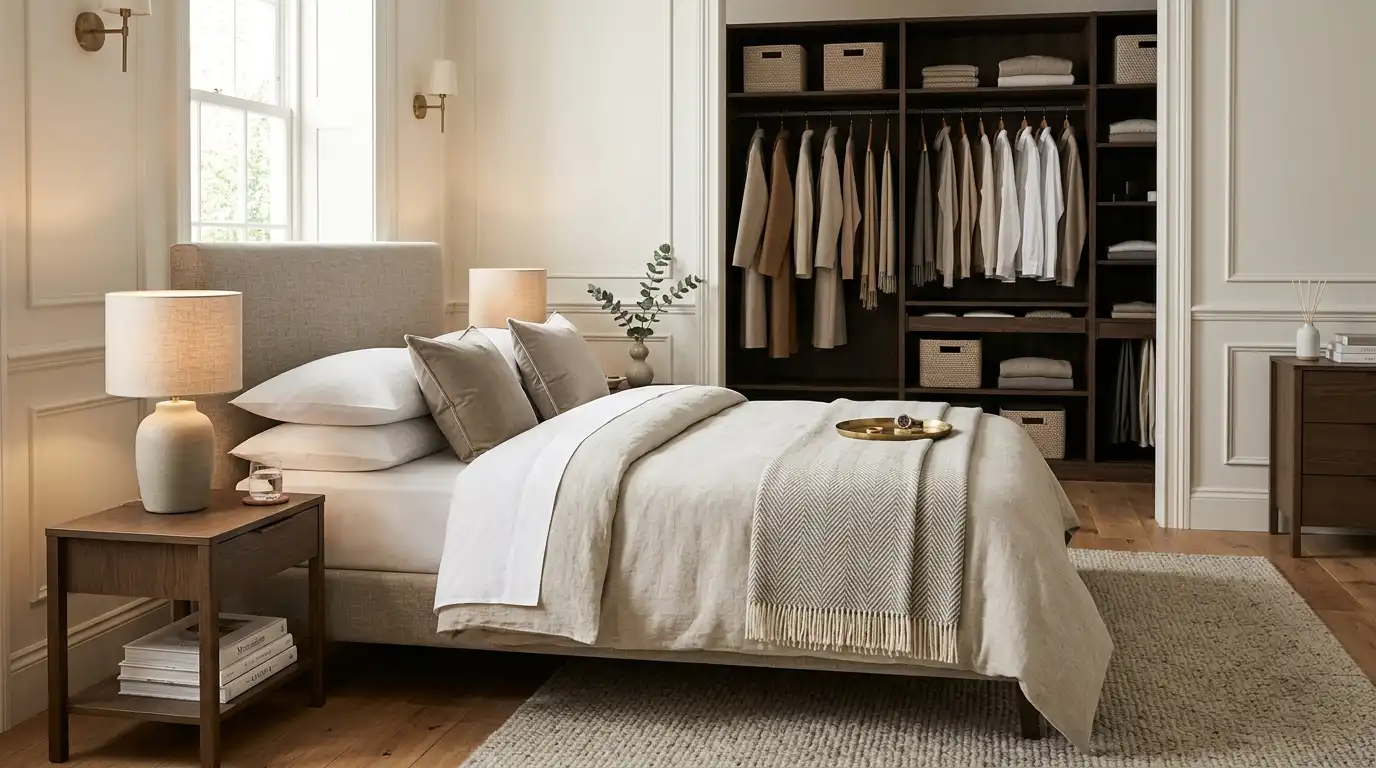
Soft upholstery, layered bedding, natural fabrics, warm lighting, upholstered headboards, muted colors, and blackout curtains contribute to this atmosphere.
Deep colors can also work beautifully in bedrooms.
Chocolate, olive, charcoal, muted burgundy, and warm taupe can make a bedroom feel intimate and enveloping.
The emphasis is on comfort rather than visual perfection.
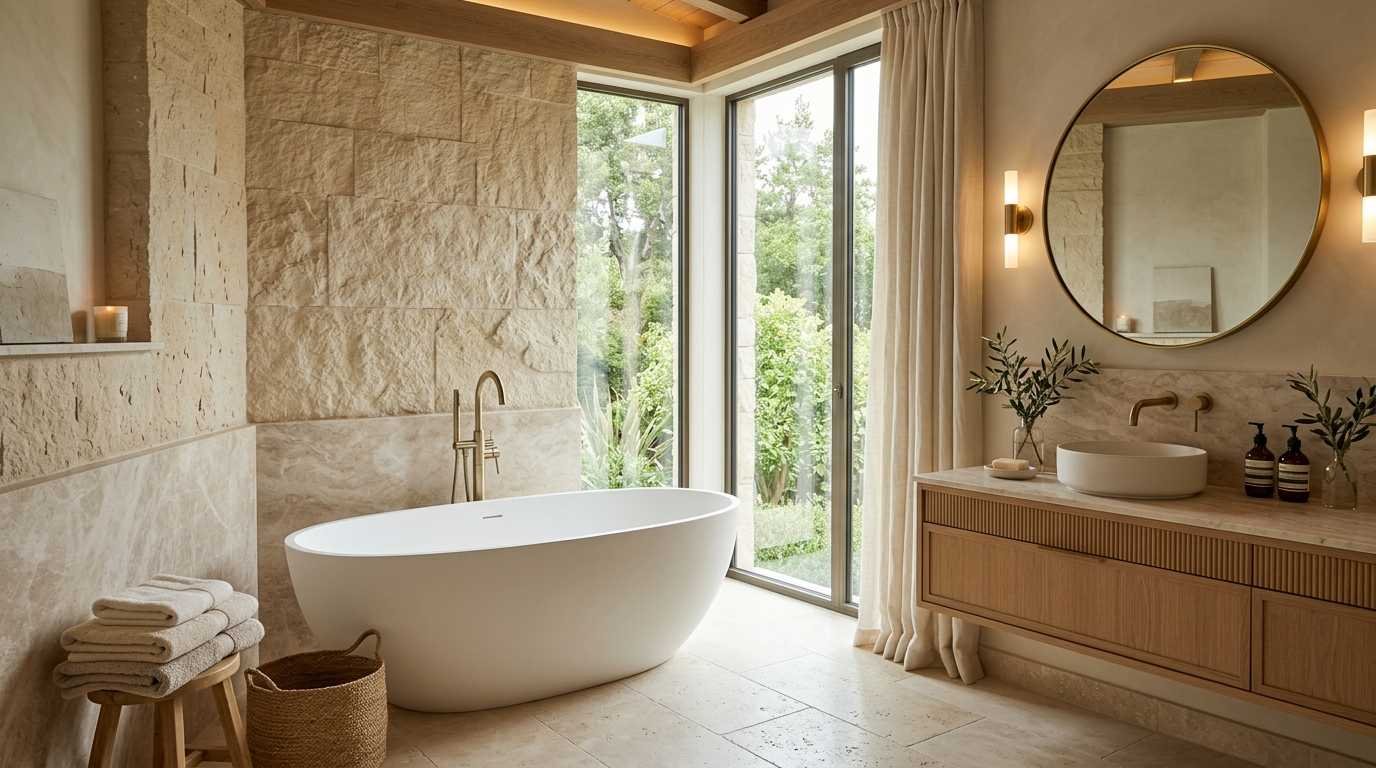
12. Bathrooms Feel More Like Private Spas
Bathroom design continues to move toward a residential spa aesthetic.
Natural stone, wood accents, sculptural basins, large-format tiles, integrated lighting, and freestanding bathtubs can transform ordinary bathrooms into relaxing spaces.
But luxury doesn’t necessarily require an enormous bathroom.
Even a compact bathroom can feel elevated through consistent materials, high-quality fixtures, warm lighting, and careful storage.
Reducing visual clutter is particularly effective.
When toiletries, towels, and cleaning products have designated storage, architectural materials become more prominent and the room immediately feels calmer.
13. Biophilic Design Gets More Sophisticated
Plants remain an important part of contemporary interiors, but biophilic design extends beyond simply adding greenery.
The broader principle is to connect indoor environments with nature through natural light, organic materials, views of greenery, natural textures, and earthy colors.
Large plants can become sculptural elements.
Indoor trees can fill empty corners, while smaller plants can soften shelves, kitchens, bathrooms, and home offices.
Natural materials amplify the effect. Wood, stone, rattan, linen, wool, and ceramics all reinforce the connection with the outdoors.
14. Home Offices Become Beautiful Multi-Use Spaces
The traditional home office is becoming more flexible.
Instead of dedicating an entire room to a desk and office chair, homeowners are increasingly designing multi-purpose rooms that can support work, reading, hobbies, or relaxation.
A built-in desk can disappear into cabinetry. A console can function as a compact workstation. A guest room can incorporate a sophisticated workspace without looking like a corporate office.
This approach is particularly valuable in smaller homes.
Good design now needs to accommodate changing routines rather than assuming every room will have only one function.
15. Decorative Storage Becomes Part of the Design
Storage is becoming increasingly integrated into the visual identity of a room.
Built-in shelving, custom cabinetry, window seats, concealed storage, and furniture with hidden compartments allow us to keep everyday objects organized without making the room feel overly utilitarian.
Open shelving still has a role, but it works best when carefully styled.
Books, ceramics, artwork, baskets, and a few decorative objects can create character while maintaining a sense of order.
The best storage often disappears.
16. Personalized Interiors Matter More Than Perfect Trends
Perhaps the biggest home design trend for 2026 is the movement away from interiors that look identical.
Social media has made it easy to discover beautiful rooms, but constant exposure to the same aesthetics can make homes feel repetitive.
The most memorable interiors have a point of view.
They include objects with stories, unusual combinations, collected artwork, inherited furniture, travel souvenirs, favorite colors, and pieces selected simply because the homeowner loves them.
That doesn’t mean abandoning design principles.
It means using those principles to create a home that reflects the people living inside it.
How to Use 2026 Home Design Trends Without Redecorating Everything
Following every trend is neither practical nor necessary.
Instead, we can identify which trends complement the home’s existing architecture and gradually introduce them.
Start with materials and color.
Replacing cool gray accessories with warmer textiles can immediately change the atmosphere. Adding a walnut table, stone accessory, sculptural lamp, vintage mirror, or textured rug can introduce contemporary character without requiring a complete renovation.
For larger investments, prioritize elements that are likely to remain relevant: quality flooring, timeless cabinetry, natural stone, architectural lighting, and well-made furniture.
Use highly seasonal trends through accessories that can easily be changed.
The Most Important 2026 Home Design Trends at a Glance
The defining directions can be summarized simply:
- Warm minimalism instead of stark minimalism
- Natural materials instead of synthetic-looking finishes
- Earthy colors instead of cool neutrals
- Curved furniture instead of exclusively rigid silhouettes
- Quiet luxury focused on quality and restraint
- Vintage-modern combinations instead of matching furniture sets
- Statement lighting treated as artwork
- Textured walls for architectural depth
- Residential kitchens with warmer finishes
- Cocooning bedrooms designed around comfort
- Spa-inspired bathrooms with natural materials
- Biophilic design connecting interiors with nature
- Flexible rooms designed for multiple purposes
- Personal collections instead of perfectly coordinated décor
Final Thoughts
The most compelling 2026 home design trends aren’t about creating interiors that look fashionable for a single season.
They are about creating homes that feel warmer, more personal, more functional, and more connected to everyday life.
Natural materials, sophisticated earthy colors, vintage accents, sculptural furniture, layered lighting, and thoughtful storage all contribute to this shift.
Most importantly, we are moving toward interiors with personality.
A beautiful home doesn’t need to follow every trend. It needs a strong foundation, a thoughtful sense of proportion, and objects that genuinely belong there.
When timeless design is combined with personal character, the result is an interior that can feel current in 2026 while remaining beautiful long after the trend cycle has moved on.
Leave a Reply