
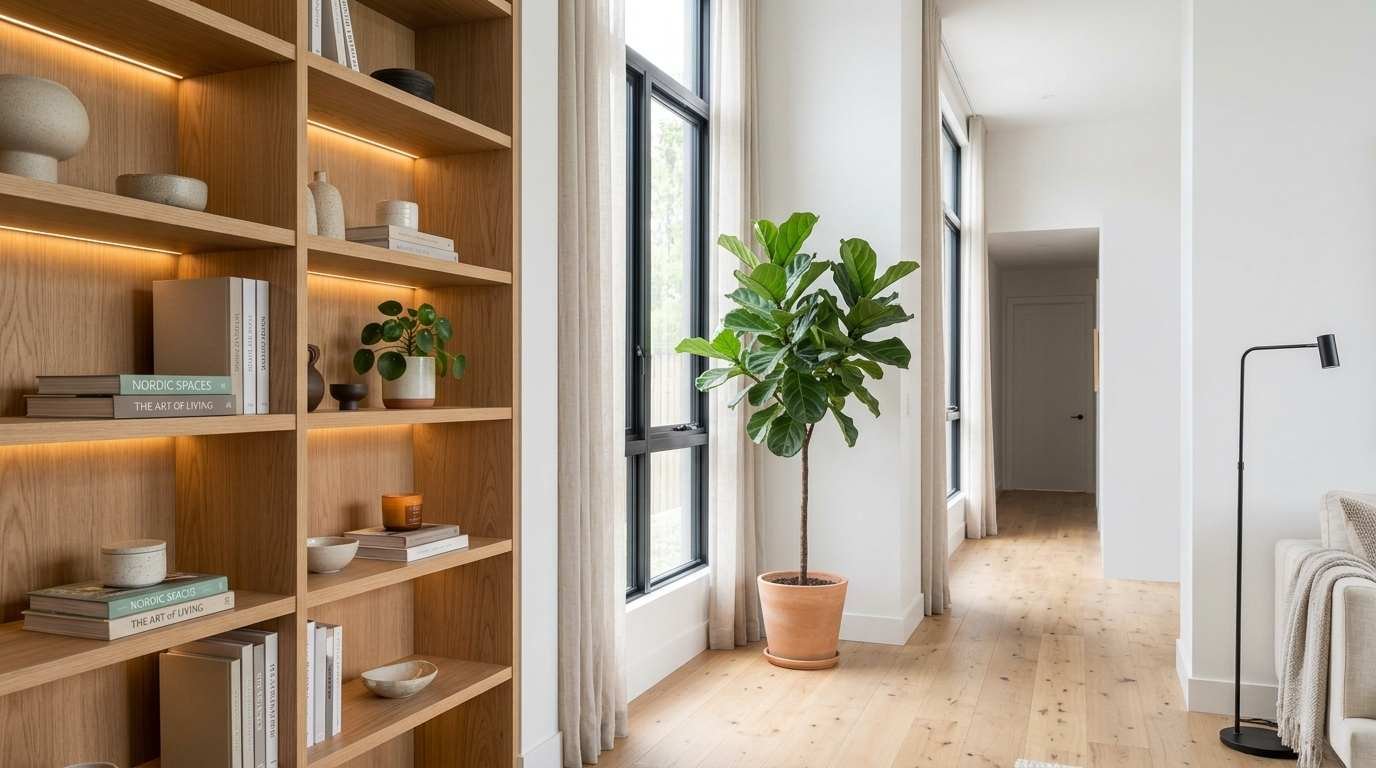

A complete home refresh doesn’t require a full renovation, a huge budget, or replacing everything you already own. A thoughtful refresh can make a home feel cleaner, brighter, more comfortable, and better suited to the way we actually live.
The key is to work through the home systematically. Instead of buying random decorative pieces, we can improve each space by clearing visual clutter, rearranging furniture, updating tired finishes, improving lighting, and adding a few carefully chosen details.
Whether the goal is to prepare a home for a new season, improve everyday comfort, or simply create a more polished interior, a complete home refresh can produce a noticeable transformation without turning the project into an expensive remodel.
Table of Contents
Start a Complete Home Refresh With a Whole-House Reset
Before changing individual rooms, we should first look at the home as a whole.
Walk through every room and identify what feels outdated, crowded, unfinished, uncomfortable, or visually disconnected. Pay attention to furniture that blocks movement, surfaces that collect clutter, unused corners, damaged items, poor lighting, and decorative pieces that no longer fit the room.
Create four simple categories:
- Keep: Items that are useful, beautiful, or meaningful.
- Move: Items that could work better somewhere else.
- Repair: Furniture, fixtures, or finishes that need attention.
- Remove: Items that are broken, unused, duplicated, or simply taking up space.
This first step can dramatically change how a home feels. A room often doesn’t need more decoration; it needs less visual competition.
Once unnecessary items are removed, the architecture, furniture, lighting, and proportions of the room become much easier to evaluate.
Refresh the Entryway First
The entryway establishes the feeling of the entire home, yet it is often treated as an afterthought.
A successful entryway should make everyday arrivals easier while creating a clean transition between outside and inside. Start by removing shoes, bags, paperwork, and miscellaneous objects that have accumulated near the door.
Then improve the functional basics.
A slim console, wall hooks, a small bench, or a closed storage cabinet can keep everyday items organized. A mirror can make a compact entry feel more open while providing a useful final check before leaving the house.
For a more finished appearance, introduce one or two decorative elements such as a sculptural lamp, framed artwork, a ceramic vessel, or a simple tray.
The goal isn’t to fill the entrance. It is to make the space feel intentional, organized, and welcoming.
Give the Living Room a New Layout
One of the fastest ways to refresh a living room is to stop assuming that the existing furniture arrangement is the best one.
Move the sofa, chairs, coffee table, and side tables into different configurations. Consider the main focal point of the room and arrange seating so conversation feels natural.
We should also evaluate the distance between furniture pieces. A coffee table that is too far away becomes inconvenient, while furniture packed tightly together can make the room feel smaller.
If the room feels heavy, create more breathing space around major pieces.
A rug can help define the seating area, but its size matters. Ideally, the rug should visually connect the major furniture pieces rather than appearing like a small island beneath the coffee table.
Then review the smaller details:
- Replace worn cushion covers.
- Add one or two textured throws.
- Edit decorative objects on shelves.
- Rearrange books by height and subject.
- Remove excessive small accessories.
- Add greenery where appropriate.
- Update lamps or lampshades if the lighting feels dated.
A living room refresh often depends more on proportion and editing than on buying new furniture.
Create a Calmer Bedroom
The bedroom should feel visually quieter than the rest of the home.
Begin with the bed because it is usually the dominant element. Fresh bedding can immediately change the atmosphere without replacing the entire bedroom.
Layer simple textures rather than introducing numerous patterns. A duvet, coverlet, quilt, pillows, and throw can create depth while maintaining a calm appearance.
Nightstands also deserve attention. Remove anything that doesn’t serve a purpose or contribute to the room’s atmosphere. A lamp, book, small decorative object, and practical charging solution may be enough.
Consider the lighting carefully. Warm, softer light generally creates a more restful evening environment than harsh overhead illumination.
We should also look at what is visible from the bed. Open storage, piles of clothing, tangled cables, and unfinished tasks can make the room feel busy even when the rest of the house is organized.
A successful bedroom refresh should make the room feel simpler, softer, and easier to maintain.
Refresh the Kitchen Without a Full Renovation
A kitchen doesn’t need new cabinets and countertops to look significantly different.
Start with the surfaces. Remove appliances and decorative objects that aren’t used regularly. Clean cabinet fronts, handles, backsplash areas, countertops, and frequently touched surfaces.
Then organize the items that remain.
Frequently used tools should be easy to reach, while rarely used equipment can be moved into cabinets or storage areas. Grouping similar items together makes the kitchen easier to use and visually calmer.
Small updates can also have an outsized effect:
- Replace outdated cabinet hardware.
- Add attractive storage containers.
- Introduce a simple runner.
- Update countertop lighting.
- Display a small collection of useful kitchen pieces.
- Replace worn textiles.
- Add a bowl of fresh produce or a simple plant.
If the cabinets are structurally sound, there may be little reason to replace them simply because the kitchen feels dated.
Make the Dining Area Feel More Intentional
The dining area can become an overlooked zone between the kitchen and living room.
Start by making sure the table has enough visual space around it. Remove objects that make the area feel crowded and reconsider the lighting above the table.
A pendant light or chandelier can become a strong focal point when appropriately scaled to the table.
The centerpiece doesn’t need to be elaborate. A low vase, seasonal branches, a bowl, or a simple sculptural object can provide enough visual interest without interfering with conversation.
Dining chairs should also be checked for condition and comfort. If replacing them isn’t practical, new seat cushions or upholstery can change their appearance considerably.
Give the Bathroom a Boutique-Hotel Feel
A bathroom refresh can often be accomplished with relatively small changes.
Begin with organization. Remove expired products and anything that doesn’t need to remain on the counter. Group everyday toiletries into attractive trays or containers where appropriate.
Then focus on textiles and lighting.
Fresh towels can introduce a new color or texture, while a better mirror or updated light fixture can change the character of the room.
Other small improvements include:
- Replacing worn bath mats.
- Updating cabinet hardware.
- Adding simple shelving.
- Replacing an old shower curtain.
- Introducing a small moisture-tolerant plant.
- Improving storage around the sink.
- Replacing damaged accessories.
The objective is to make the bathroom feel clean, cohesive, and comfortable, not overloaded with decorative products.
Turn Cluttered Storage Into Useful Space
A complete home refresh isn’t finished if closets, cabinets, and storage areas remain chaotic.
Storage should be evaluated according to how the household actually uses it.
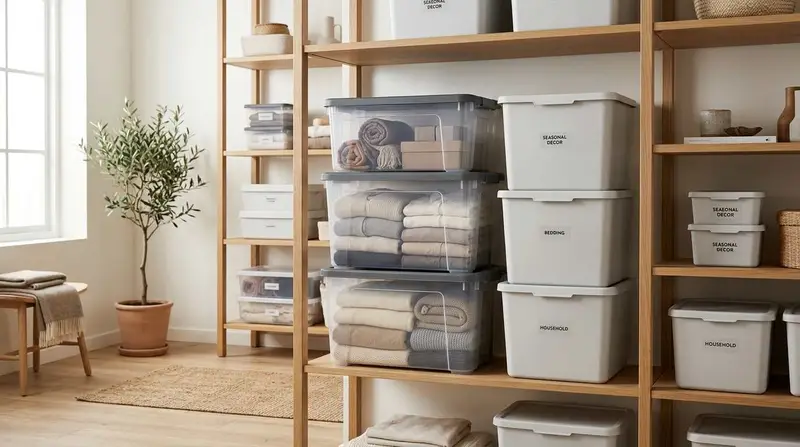
Group similar items together and place frequently used belongings where they are easiest to access. Use baskets, bins, drawer organizers, shelves, and labels when they solve a genuine problem.
Avoid buying organizers before decluttering. Otherwise, we risk creating beautifully organized storage for things we don’t actually need.
The best storage systems are simple enough to maintain.
If putting something away requires several steps, it is less likely to happen consistently. A practical system should make the easiest behavior the most convenient one.
Improve the Home With Better Lighting
Lighting is one of the most powerful elements in a home refresh.
Instead of relying on one ceiling fixture in each room, create layers of light.
Ambient lighting provides general illumination. Task lighting supports activities such as reading, cooking, working, or applying makeup. Accent lighting highlights artwork, architectural features, shelving, or decorative objects.
This layered approach can make a room feel more sophisticated without changing its furniture.
We should also consider the color temperature of bulbs and how lighting interacts with wall colors, textiles, flooring, and natural daylight.
During the refresh, test lamps in the evening rather than judging the room only during daylight hours.
Use Color Without Repainting Every Room
A complete home refresh doesn’t require a new color scheme from floor to ceiling.
Instead, identify the existing colors that should remain and introduce a small number of complementary tones.
Soft furnishings are useful for this because they can be changed relatively easily. Cushions, throws, curtains, rugs, artwork, and decorative objects can introduce color without committing the entire room to a new palette.
If several rooms are visually connected, repeating one or two colors can create continuity.
For example, a muted accent color might appear in the living room through cushions, in the bedroom through a throw, and in the dining area through artwork.
This creates a cohesive home without making every room identical.
Refresh Walls and Artwork
Walls have a major influence on how finished a room feels.
Look for empty areas that could benefit from artwork, but don’t assume every wall needs something on it. Negative space can be valuable.
Replace artwork that no longer reflects the atmosphere we want. Mix framed prints, photographs, paintings, mirrors, and other wall elements according to the scale of the room.
Before hanging anything, consider furniture placement and viewing height. Artwork that is too high or too small for the wall can make an otherwise attractive room feel disconnected.
A few appropriately scaled pieces generally create more impact than a large collection of unrelated decorations.
Don’t Forget Floors, Doors, and Hardware
During a home refresh, attention naturally goes toward furniture and decoration, but smaller architectural details can influence the overall impression.
Inspect flooring, baseboards, interior doors, handles, switches, and other frequently touched surfaces.
Deep cleaning alone may make some areas look dramatically better. Where replacement is necessary, prioritize items that are highly visible or heavily used.
Updating door hardware or cabinet pulls, for example, can provide a noticeable change without requiring major construction.
Bring Nature Into the Home
Plants, flowers, branches, natural wood, stone, woven materials, and other organic textures can soften interiors.
The important point is to choose elements that suit the room and the amount of maintenance available.
A single substantial plant can often have more visual impact than several small plants scattered around the room.
Fresh flowers or branches can also provide seasonal interest without permanently changing the interior.
Natural materials work particularly well when a room contains many hard surfaces such as glass, metal, tile, or polished finishes.
Create Better Flow Between Rooms
A complete home refresh should not treat every room as an isolated project.
Look at how one space transitions into another.
If the living room uses warm neutrals, for example, introducing completely unrelated colors in the adjacent dining room can make the home feel fragmented.
This doesn’t mean every room needs to match. Instead, repeat certain materials, tones, finishes, or design characteristics throughout the home.
Consistent flooring, complementary textiles, repeated wood tones, or a restrained color palette can connect spaces naturally.
The result should feel collected rather than coordinated to the point of being predictable.
Refresh the Home Room by Room
Trying to change everything simultaneously can quickly become overwhelming.
A more practical approach is to work through the house in stages.
Day One: Declutter
Remove obvious rubbish, unused items, damaged objects, and unnecessary duplicates.
Day Two: Deep Clean
Clean surfaces, floors, windows, fixtures, cabinets, and areas that are normally overlooked.
Day Three: Rearrange
Experiment with furniture layouts and redistribute decorative objects.
Day Four: Improve Lighting
Replace unsuitable bulbs and add lamps where rooms lack layered illumination.
Day Five: Add Finishing Details
Introduce textiles, artwork, greenery, storage solutions, and a small number of decorative accents.
This staged approach makes a whole-home refresh much easier to manage.
What to Buy During a Home Refresh
Shopping should come after editing and rearranging.
Create a short list based on genuine gaps rather than purchasing items simply because they look attractive.
Useful purchases might include:
- A properly sized area rug
- New lamps or lighting
- Quality bedding
- Updated cabinet hardware
- Storage baskets
- Decorative trays
- Curtains
- Cushions
- Artwork
- Mirrors
- Plants or planters
- Replacement towels
Before purchasing anything, consider whether it solves a problem, improves comfort, or contributes meaningfully to the room.
This prevents a refresh from becoming another source of clutter.
How to Refresh a Home on a Budget
A beautiful home refresh can be achieved without a large budget.
Start with the changes that cost nothing: decluttering, rearranging furniture, editing shelves, cleaning, and moving accessories between rooms.
Next, focus on inexpensive changes with visible impact. New textiles, updated hardware, improved lighting, and carefully selected artwork can alter a room without requiring structural work.
We can also repurpose existing furniture. A console from one room might work better in an entryway, while a chair that feels misplaced in the bedroom could become useful in a reading corner.
The principle is simple: use what already works before buying something new.
Final Home Refresh Checklist
Before considering the project complete, walk through the house once more.
Ask whether each room has a clear purpose and whether furniture allows comfortable movement. Check whether surfaces feel overcrowded, storage is practical, lighting works at different times of day, and decorative pieces complement rather than compete with one another.
Then look at the home from the perspective of everyday life.
Can we easily put things away? Is the entryway functional? Does the kitchen support the way we cook? Does the living room encourage conversation and relaxation? Does the bedroom feel restful? Are frequently used items accessible?
A complete home refresh succeeds when the house doesn’t simply look different. It works better, feels more comfortable, and reflects the people who live there.
The most effective changes are often surprisingly simple: removing what no longer belongs, improving what already exists, and choosing a few thoughtful additions that make everyday spaces feel more considered.
A refreshed home doesn’t have to look brand new. It simply needs to feel intentional, functional, welcoming, and genuinely yours.


Leave a Reply