
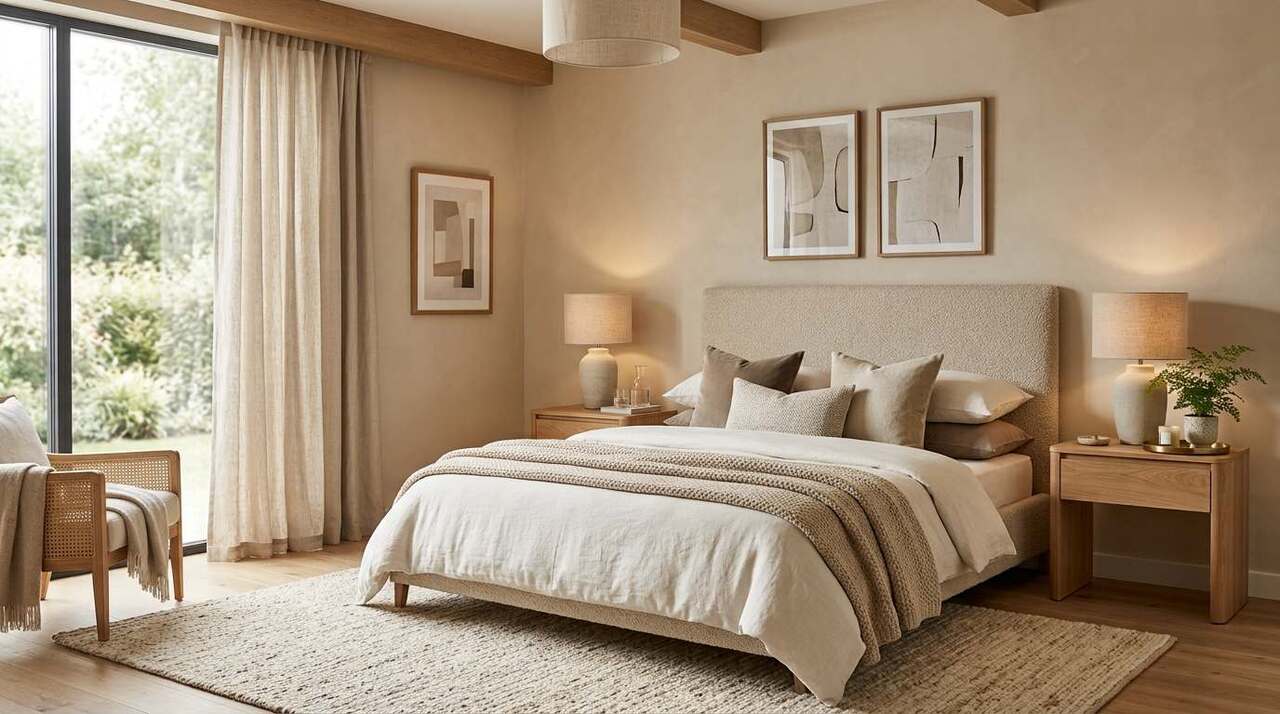

The bedroom should feel like more than a place to sleep. With thoughtful bedroom decor, we can transform an ordinary room into a comfortable, beautiful, and deeply personal retreat that supports relaxation while reflecting our sense of style.
Mastering bedroom decor is largely about balance. We want attractive furniture, layered textures, pleasing colors, practical storage, and decorative details without making the room feel crowded. Whether we are decorating a spacious primary bedroom, a compact apartment bedroom, or a guest room, the right design choices can make the entire space feel more intentional.
Suggested Reads: Bedroom Design PDF: Complete Bedroom Guide
Table of Contents
Start With a Clear Bedroom Decor Style
Before buying furniture or accessories, we should establish the overall look we want. A defined decorating direction makes it easier to choose pieces that work together rather than creating a room filled with unrelated items.
Popular bedroom decor styles include modern, Scandinavian, minimalist, contemporary, traditional, farmhouse, Japandi, Parisian, and quiet luxury. Each style can create a different atmosphere.
For a calm and sophisticated bedroom, neutral colors, natural materials, elegant lighting, and simple furniture create a timeless foundation. If we prefer a warmer aesthetic, we can introduce wood, woven textures, linen, earthy tones, and soft ambient lighting.
The goal isn’t to follow every rule associated with one decorating style. Instead, we can identify the elements we genuinely like and build a cohesive room around them.
Choose a Calming Bedroom Color Palette
Color has a major influence on how a bedroom feels. Because the bedroom is primarily a space for rest, softer and more harmonious colors often work particularly well.
Warm white, cream, beige, taupe, soft gray, muted green, dusty blue, and earthy brown can create a relaxed atmosphere. These shades are also versatile enough to work with different furniture finishes and textiles.
We can use a simple three-color approach:
- A dominant color for walls and larger surfaces
- A secondary color for bedding, curtains, or furniture
- An accent color for cushions, artwork, lamps, or decorative objects
This approach prevents the room from becoming visually chaotic.
A neutral bedroom doesn’t have to look boring. Layering different shades of the same color can create considerable depth. For example, cream walls can work beautifully with ivory bedding, beige curtains, warm oak furniture, and caramel-colored accents.
Make the Bed the Focal Point
The bed is naturally the largest visual element in most bedrooms, so it should receive considerable attention.
A well-dressed bed can instantly make a room look more polished. We can begin with quality-looking sheets, add a duvet or quilt, and layer decorative pillows and a throw at the foot of the bed.
Texture is especially important. Combining linen, cotton, wool, velvet, boucle, or knitted fabrics can make neutral bedding look much richer.
Instead of choosing every bedding item in exactly the same shade, we can create subtle variation. A cream duvet, oatmeal throw, and beige cushions can produce an elegant layered appearance without introducing excessive contrast.
A simple upholstered or wooden headboard can further strengthen the bedroom’s focal point.
Layer Bedroom Lighting
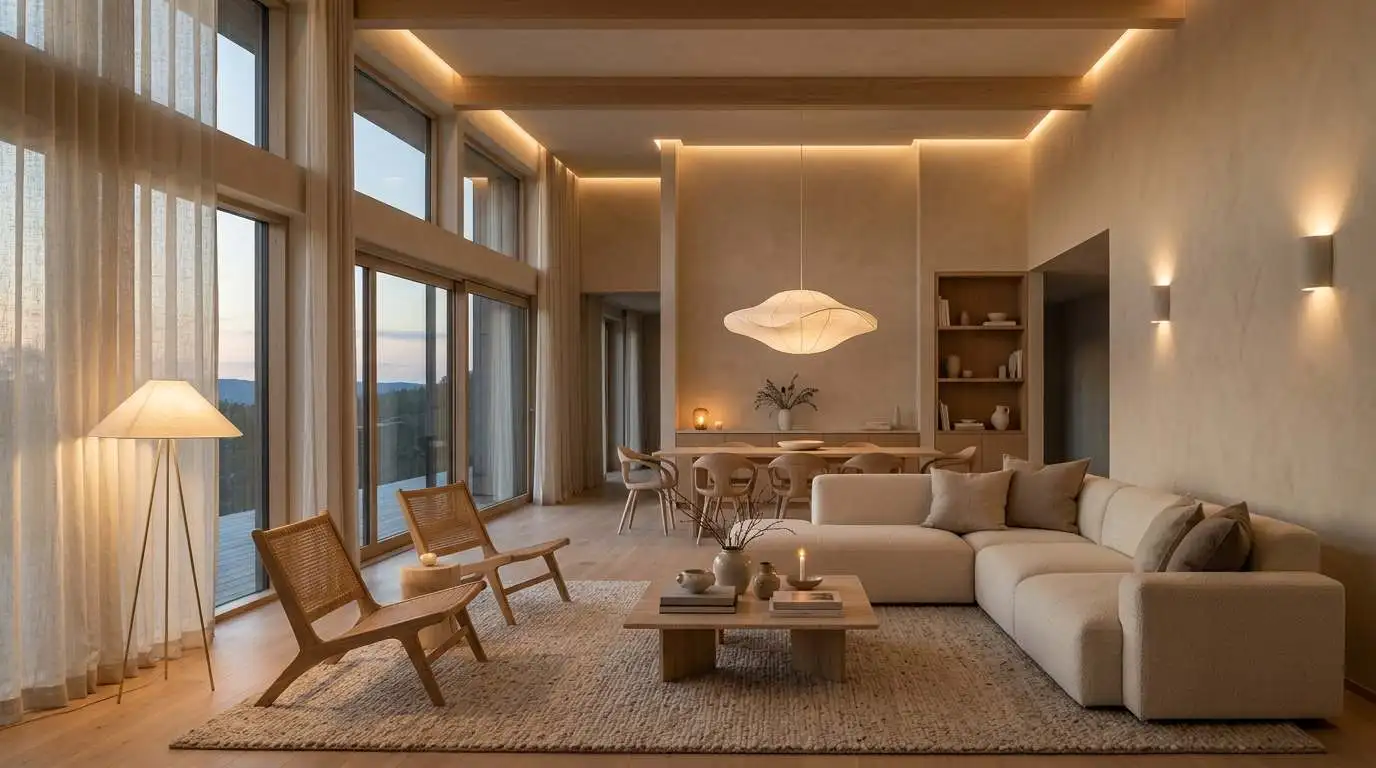
One overhead light rarely creates the most inviting bedroom environment. A better approach is to combine several sources of illumination.
We can use:
- Ceiling lighting for general illumination
- Bedside lamps for reading and evening use
- Wall sconces for a streamlined appearance
- Accent lighting to highlight artwork or architectural details
- Decorative lamps to introduce warmth and personality
Warm-toned bulbs generally create a softer evening atmosphere than harsh, cool lighting.
Bedside lighting should also be practical. Matching lamps can create symmetry, while deliberately different lamps can produce a more collected and individual look.
Use Nightstands Strategically
Nightstands are small pieces of furniture, but they have an important visual and functional role.
A nightstand should provide enough space for essential items without becoming a dumping ground. We can keep the surface relatively simple with a lamp, a small decorative object, a book, or a small vase.
If storage is limited, choosing nightstands with drawers can help keep chargers, reading glasses, medications, and other everyday items out of sight.
For smaller bedrooms, floating nightstands can create a lighter appearance and leave more visible floor space underneath.
Add Texture With Rugs and Curtains
Textiles can dramatically change the character of a bedroom.
A bedroom rug adds softness underfoot while visually connecting the bed and surrounding furniture. Ideally, the rug should extend far enough beyond the bed to create a balanced composition.
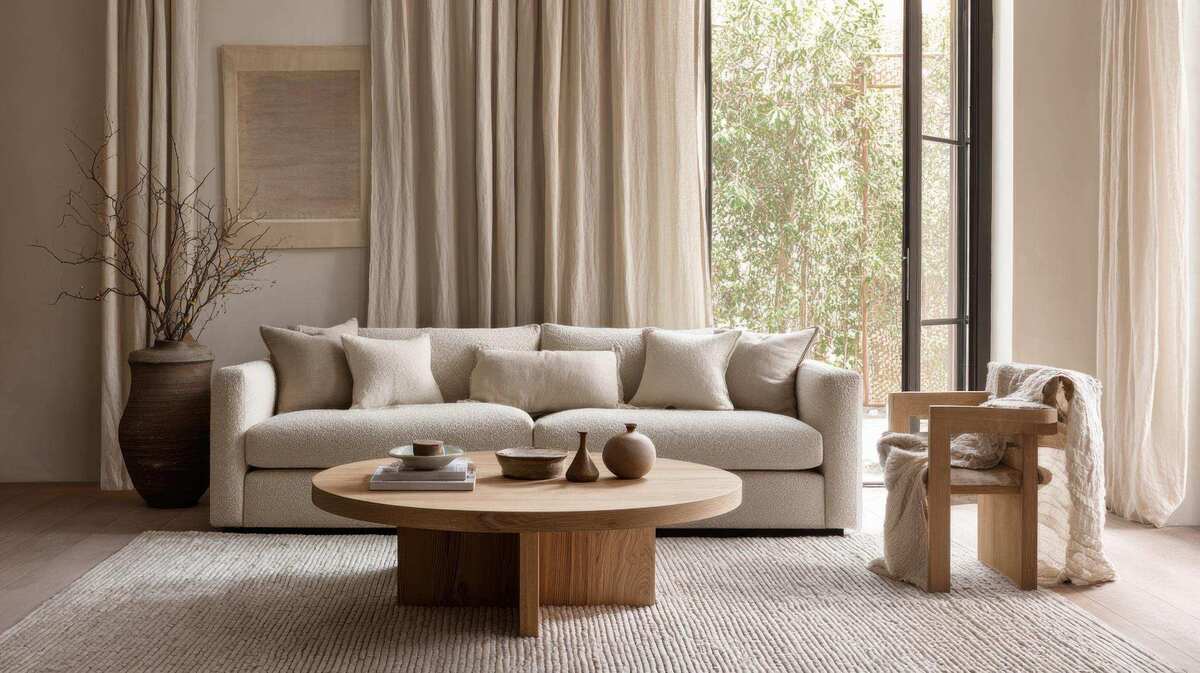
Curtains are equally important. Floor-length curtains can make windows appear taller and give the room a more finished appearance. Linen and linen-look fabrics work especially well in relaxed bedrooms, while heavier curtains can provide a more dramatic and luxurious feel.
Layering sheer curtains beneath heavier panels can provide flexibility while adding visual depth.
Bring Nature Into the Bedroom
Natural elements can make bedroom decor feel warmer and less manufactured.
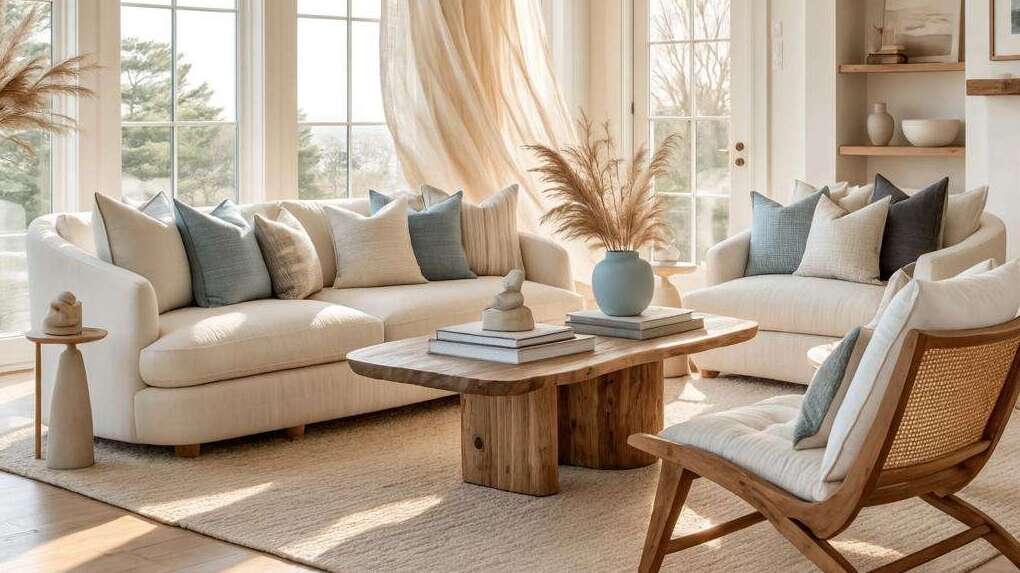
Wood furniture, woven baskets, stone accessories, ceramic objects, and indoor plants can introduce organic texture. Even a small bedside plant or branch arrangement can soften a room dominated by straight lines.
For bedrooms with limited natural light, we can choose low-maintenance plants or use botanical artwork instead.
Natural materials also work particularly well with neutral palettes because they introduce subtle variations in texture and color.
Create a Beautiful Bedroom Accent Wall
An accent wall can give the bedroom a strong focal point without requiring a complete redesign.
The wall behind the bed is usually the most logical location. We can use:
- Paint
- Wallpaper
- Wood paneling
- Decorative molding
- Textured plaster
- Fabric panels
- Large-scale artwork
For an understated bedroom, a deeper version of the room’s primary color can create dimension. For example, a warm beige bedroom could feature a slightly darker taupe wall behind the headboard.
An accent wall should complement the rest of the room rather than compete with it.
Choose Bedroom Furniture With Proportion in Mind
Beautiful furniture can still look wrong if its scale doesn’t suit the room.
A large bed, oversized nightstands, and a massive dresser can make a small bedroom feel cramped. Conversely, tiny furniture may disappear in a large bedroom.
We should measure the available space before purchasing anything. It is also important to consider walking paths, door openings, drawers, and wardrobe access.
Good bedroom design depends as much on proportion as it does on appearance.
In smaller rooms, furniture with clean lines and visible legs can help preserve a sense of openness.
Use Artwork to Add Personality
Artwork is one of the easiest ways to make a bedroom feel personal.
We don’t necessarily need expensive pieces. A carefully selected print, photograph, abstract composition, vintage artwork, or textile wall hanging can become an important decorative feature.
Large artwork above the bed can create a strong focal point, while a gallery wall can work well on a larger empty wall.
For a sophisticated look, we can keep the frame finishes consistent or use a controlled combination of wood, black, brass, or neutral frames.
The artwork should complement the bedroom’s color palette rather than introducing completely unrelated colors.
Keep Bedroom Decor Organized
A beautiful bedroom quickly loses its appeal when surfaces become cluttered.
Storage should therefore be considered part of the decorating process rather than an afterthought.
We can use:
- Under-bed storage
- Storage benches
- Baskets
- Bedside drawers
- Built-in wardrobes
- Decorative boxes
- Floating shelves
- Multi-purpose furniture
The principle is simple: keep frequently used items accessible and less attractive necessities concealed.
This is particularly useful in minimalist and small-bedroom designs, where visual clutter can make the space feel significantly smaller.
Add Luxury Through Small Details
A sophisticated bedroom doesn’t require an enormous budget.
Small details can create a more elevated appearance. We can introduce brushed brass hardware, a substantial mirror, quality-looking bedding, ceramic accessories, a textured throw, elegant curtain hardware, or a sculptural lamp.
The key is restraint.
Instead of filling every empty surface, we can select fewer decorative pieces and give each one enough space to stand out.
This creates the sense of a carefully curated room rather than a room filled with accessories.
Decorate Small Bedrooms Without Making Them Feel Smaller
Small bedrooms require careful planning, but limited space doesn’t mean limited style.
Light colors can help maintain an open appearance, while mirrors can reflect natural and artificial light. Furniture with multiple functions can also reduce visual clutter.
A bed with integrated drawers, a wall-mounted bedside shelf, or a narrow dresser can provide valuable functionality without consuming unnecessary floor space.
We should also avoid filling every wall and corner. Negative space is an important part of good bedroom decor.
Create a Relaxing Final Layer
Once the major furniture and decor pieces are in place, we can focus on the atmosphere.
Soft bedding, warm lighting, pleasant textures, subtle fragrance, and a tidy bedside area can make the bedroom feel considerably more relaxing.
The final layer should reflect how we actually use the room. If we enjoy reading, a comfortable chair and reading lamp may be more valuable than another decorative accessory. If we prefer an uncluttered environment, concealed storage may deserve more attention than additional artwork.
The best bedroom decor combines beauty with everyday functionality.
Final Thoughts on Mastering Bedroom Decor
Mastering bedroom decor isn’t about copying a perfectly styled room from a magazine. It is about creating a space where color, texture, furniture, lighting, organization, and personality work together.
We can start with a cohesive color palette, make the bed a focal point, layer lighting and textiles, introduce natural materials, and carefully control clutter. From there, artwork and decorative accessories can provide character without overwhelming the room.
Whether we prefer minimalist simplicity, warm Scandinavian interiors, modern elegance, or a more luxurious aesthetic, thoughtful bedroom decor can turn an ordinary bedroom into a space that feels comfortable, intentional, and distinctly our own.

Leave a Reply