
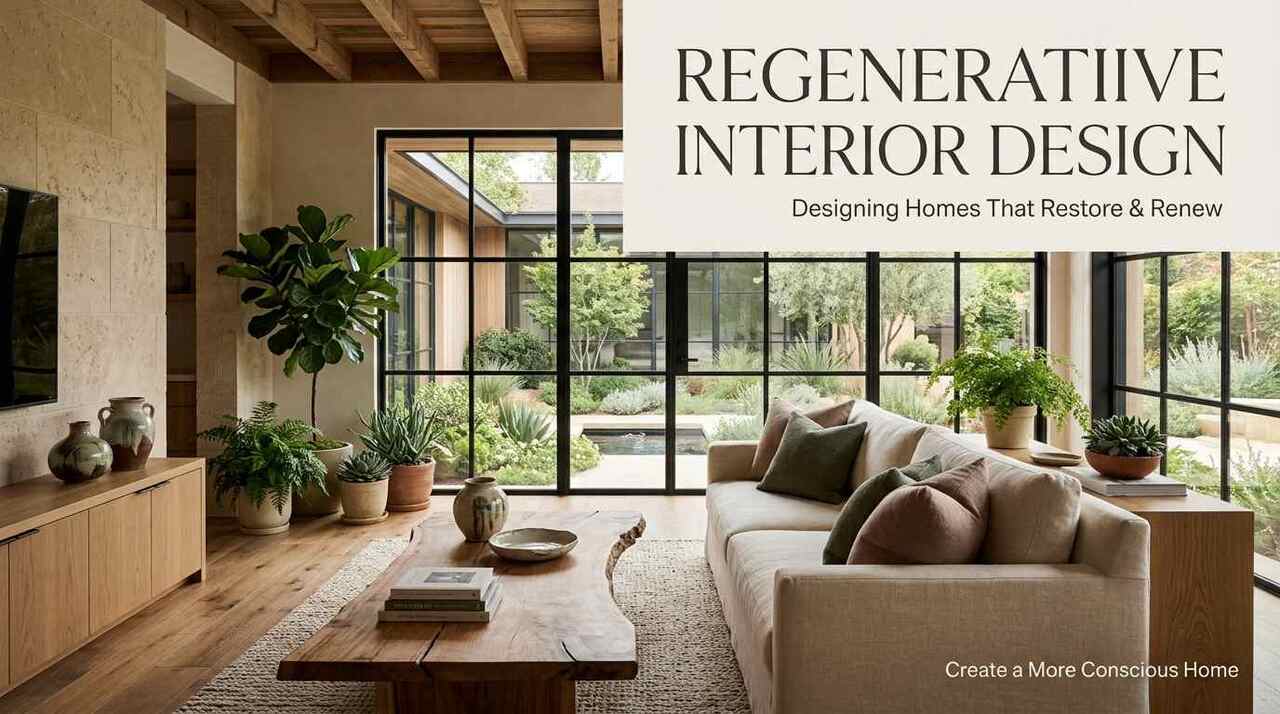

Regenerative interior design takes the idea of sustainable living a step further. Instead of simply reducing waste, energy use, and environmental harm, regenerative interior design aims to create spaces that actively contribute to human well-being and the health of the natural world.
We can think of a regenerative interior as a living relationship between people, materials, buildings, and nature. Every decision—from the furniture we choose to the daylight we invite indoors—can support healthier routines, reduce environmental impact, and create a stronger connection with the surrounding environment.
Unlike conventional interior design, which often focuses primarily on appearance, functionality, and comfort, regenerative design considers the complete life cycle of a space. We look at where materials come from, how they are produced, how long they will last, what happens when they are no longer needed, and how the interior affects the people who use it every day.
Table of Contents
What Is Regenerative Interior Design?
Regenerative interior design is an approach to creating interiors that restore, renew, and improve rather than simply consume resources.
Traditional sustainable design often concentrates on doing less harm. We might select energy-efficient lighting, recycled materials, low-VOC paints, or responsibly sourced timber. These choices remain valuable, but regenerative thinking asks a broader question: Can our interiors give something back?
A regenerative home can support physical and emotional well-being while encouraging responsible resource use. It can incorporate natural materials, improve indoor environmental quality, preserve existing furniture, celebrate local craftsmanship, and strengthen our relationship with nature.
This philosophy does not require every room to look rustic or minimalist. A regenerative interior can be contemporary, traditional, luxurious, eclectic, or highly personal. What matters is the thinking behind the choices.
Regenerative Design vs. Sustainable Interior Design
Sustainable interior design and regenerative interior design share many principles, but their goals are not identical.
Sustainable design generally seeks to reduce negative environmental impacts. This can include reducing energy consumption, minimizing waste, choosing durable products, and avoiding harmful materials.
Regenerative design goes beyond reduction. It considers how a space can contribute positively to its occupants and its environment.
For example, instead of replacing an old wooden dining table simply because it looks dated, we might repair it, refinish it, or redesign the surrounding room so the existing piece becomes an intentional focal point.
Instead of purchasing inexpensive furniture that may need replacement within a few years, we can choose durable pieces that can be repaired, adapted, passed down, or eventually reused.
This creates an interior based on longevity, connection, adaptability, and renewal.
The Importance of Natural Materials
Natural materials are central to many regenerative interiors because they can bring tactile richness and a stronger connection to the natural world.
Materials such as wood, stone, cork, bamboo, wool, linen, cotton, clay, rattan, and natural fibers can create warmth and visual depth while reducing reliance on synthetic finishes.
The origin and processing of a material still matter. A natural material is not automatically the most responsible option simply because it comes from nature. We should consider sourcing, transportation, durability, maintenance, and end-of-life possibilities.
Locally sourced materials can also help create interiors that reflect their geographical surroundings. Regional stone, locally crafted ceramics, traditional textiles, and locally produced furniture can give a room a distinctive identity while supporting skilled makers and regional economies.
Designing With Nature Instead of Simply Adding Plants
Biophilic design is closely connected to regenerative interior design, but bringing nature indoors involves more than filling a room with houseplants.
We can design interiors around natural light, fresh air, organic textures, natural views, seasonal changes, water, and natural patterns.
Large windows can connect interior spaces with gardens, courtyards, trees, or changing skies. Where architecture permits, operable windows can encourage natural ventilation. Wood grain, stone textures, woven fibers, and irregular handmade surfaces can introduce visual patterns inspired by nature.
Plants remain useful, but they work best as part of a larger relationship with the natural environment.
A regenerative interior should feel connected to its surroundings rather than isolated from them.
Adaptive Reuse and the Value of What Already Exists
One of the most powerful regenerative design principles is using what we already have.
Interior renovation often creates enormous amounts of waste. Cabinets, doors, flooring, furniture, fixtures, and decorative materials can be discarded even when they remain functional.
Adaptive reuse offers another possibility.
We can transform an old cabinet into a bathroom vanity, restore vintage furniture, reuse architectural elements, repurpose timber, or incorporate salvaged materials into new installations.
This approach also creates interiors with greater character. A mass-produced room may look polished, but a space containing repaired, inherited, vintage, and locally crafted pieces can tell a much richer story.
Regenerative design therefore encourages us to see existing materials not as obstacles but as resources with unrealized potential.
Designing for Longevity
Fast-changing interior trends can encourage unnecessary consumption. A room designed around a trend may look fashionable today but feel outdated when the aesthetic changes.
Regenerative interiors prioritize timeless foundations and adaptable details.
We can create a neutral architectural base and introduce personality through artwork, textiles, lighting, and smaller decorative elements that can be changed without replacing major furniture.
Durability should also influence purchasing decisions. A well-made chair that can be repaired is often more useful over its lifetime than a cheaper product that must be replaced repeatedly.
When selecting furniture, we should consider construction quality, material durability, repairability, replaceable components, and timelessness.
Creating Healthier Indoor Environments
A regenerative interior should support the people who live or work inside it.
Indoor environmental quality can be influenced by ventilation, daylight, acoustics, temperature, moisture, furnishings, finishes, and cleaning products.
We can prioritize low-emission paints and finishes, adequate ventilation, comfortable lighting, natural daylight, appropriate acoustic treatments, and materials selected with indoor air quality in mind.
Comfort also extends beyond physical conditions. Clutter, excessive visual stimulation, poor lighting, and uncomfortable furniture can influence how a space feels.
A regenerative home can therefore become a restorative environment where the interior supports relaxation, concentration, movement, social interaction, and sleep.
Regenerative Interior Design and the Circular Economy
The circular economy is another important foundation for regenerative interiors.
Instead of following a linear pattern of take, make, use, and discard, circular design considers how products and materials can remain useful for as long as possible.
Furniture can be repaired rather than thrown away. Components can be replaced instead of discarding entire products. Materials can be designed for disassembly and reuse.
When purchasing new furniture, we can ask several practical questions:
- Can this product be repaired?
- Can individual parts be replaced?
- Is it built to last?
- Can the materials eventually be reused or recycled?
- Does the manufacturer provide repair or refurbishment services?
- Can we imagine keeping this piece for many years?
These questions turn purchasing into a more deliberate process.
Regenerative Color and Material Palettes
Regenerative interiors do not have to follow a specific color palette, but many naturally inspired spaces use tones drawn from the surrounding landscape.
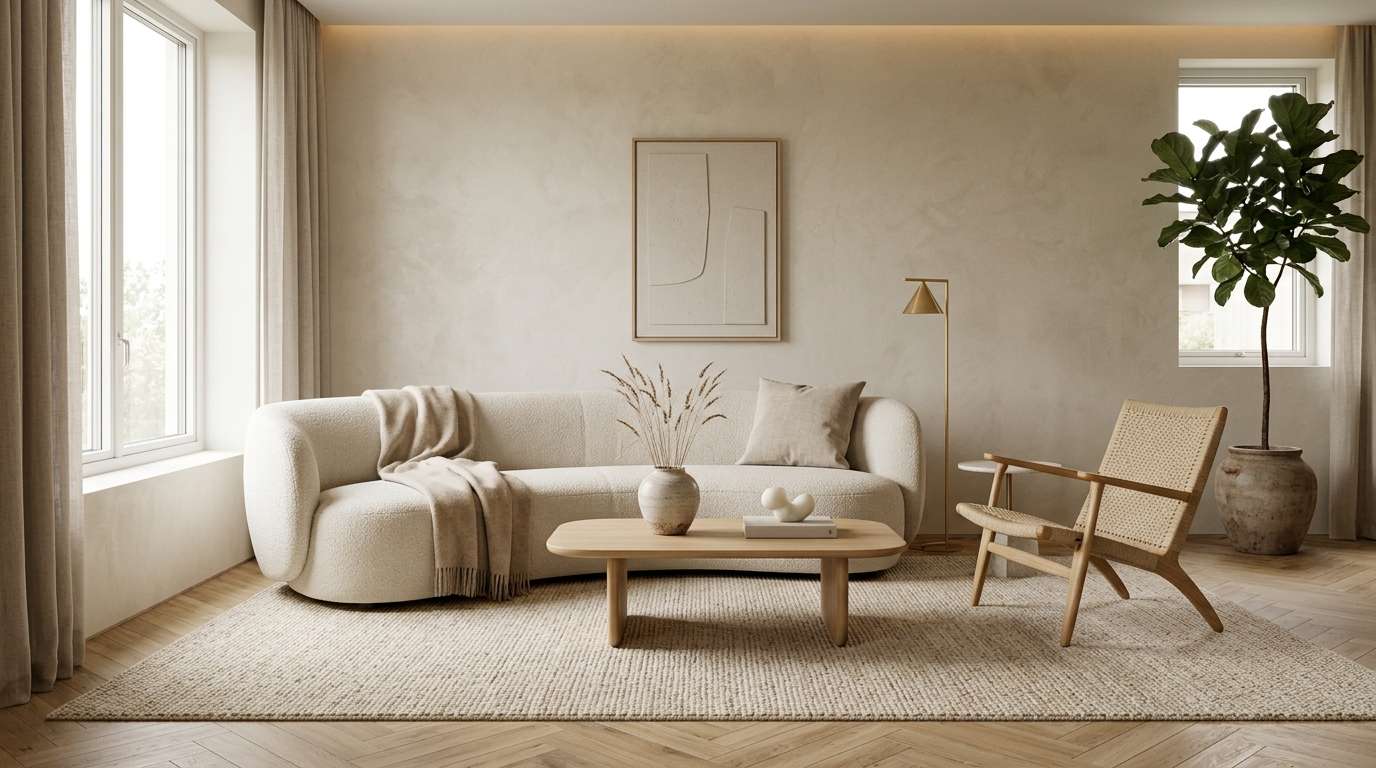
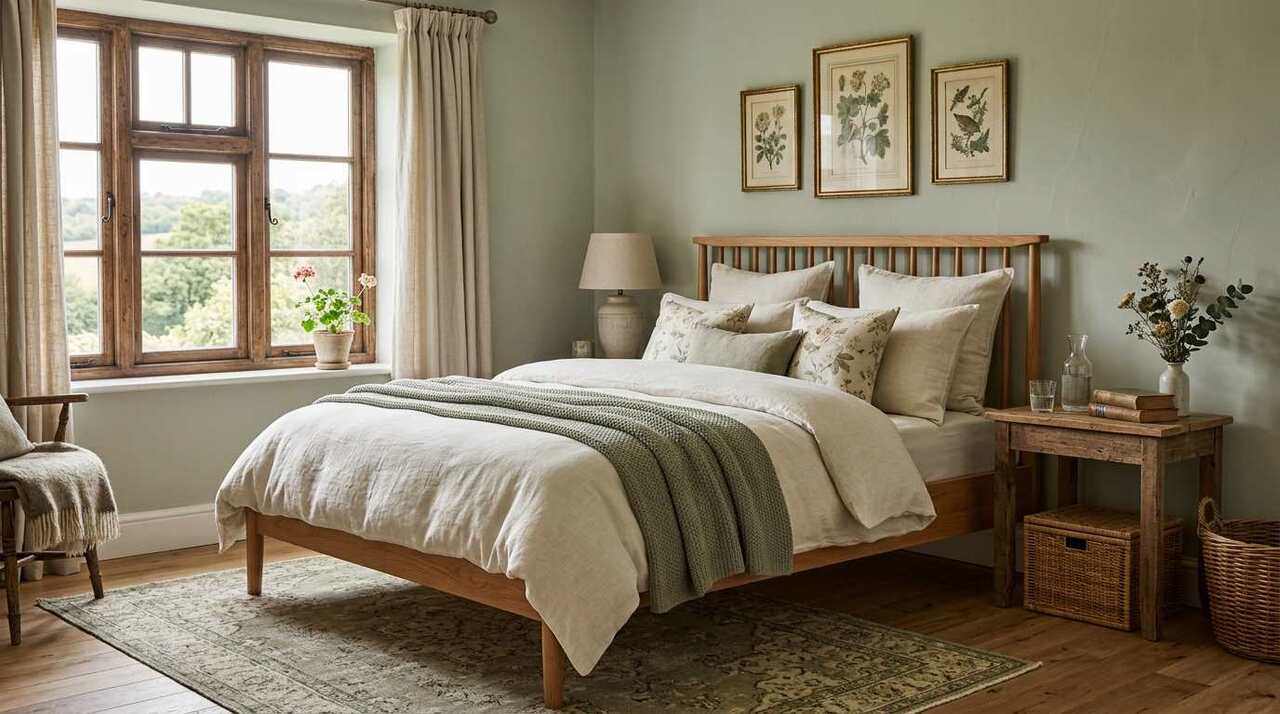
Earthy neutrals, muted greens, warm browns, clay tones, soft creams, natural wood, and stone-inspired shades can create a calm foundation.
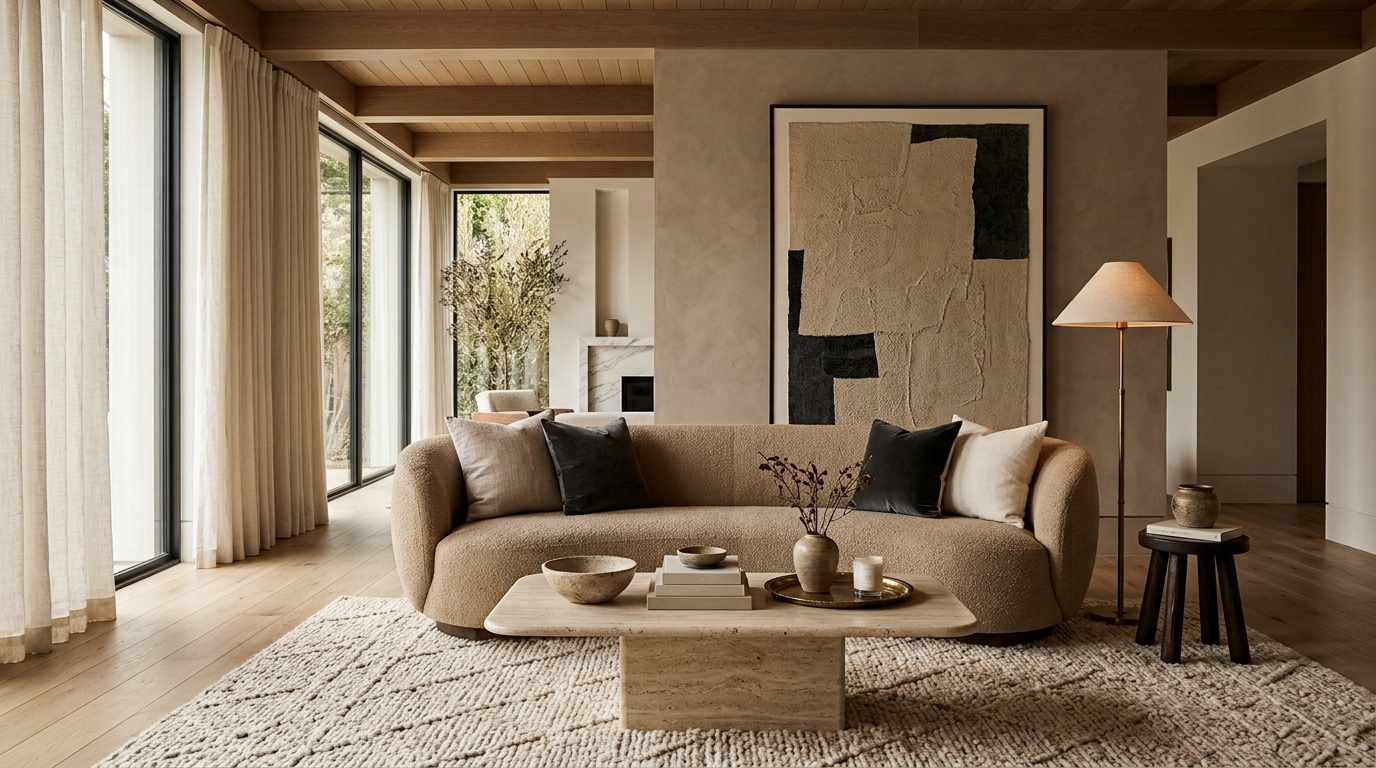
Texture is equally important. Linen curtains, woven baskets, wool upholstery, unfinished timber, handmade ceramics, stone surfaces, and textured plaster can provide visual interest without relying on excessive decoration.
The goal is not to make every surface look natural. Instead, we can create contrast between smooth and rough, refined and handmade, light and dark, and modern and organic.
Regenerative Lighting Strategies
Lighting plays a major role in both sustainability and well-being.
We can begin by maximizing natural daylight wherever possible. Furniture placement, window treatments, reflective surfaces, and room layouts can all influence how daylight moves through an interior.
For artificial lighting, energy-efficient LED fixtures can reduce electricity consumption while allowing us to create different lighting layers.
Ambient lighting provides general illumination, task lighting supports specific activities, and accent lighting highlights architectural or decorative features.
Rather than relying on one bright ceiling fixture, layered lighting can create a more comfortable and adaptable atmosphere.
Supporting Local Craftsmanship
Regenerative design can also have a social dimension.
Purchasing from local artisans and craftspeople can help preserve traditional skills and create a stronger relationship between a home and its community.
Handmade ceramics, woven textiles, carved wood, natural-dyed fabrics, baskets, rugs, and locally produced furniture can introduce cultural identity into an interior.
These objects often carry more meaning than anonymous mass-produced decorations because they connect the space to people, places, materials, and traditions.
For a refined interior, we do not need dozens of decorative objects. A small number of carefully selected handmade pieces can have considerably more presence.
How to Create a Regenerative Interior at Home
We can begin without undertaking a major renovation.
First, we can audit what already exists. Instead of immediately buying new furniture, we can identify what can be repaired, refinished, rearranged, or repurposed.
Next, we can improve natural light and ventilation where practical. We can remove unnecessary clutter and create clearer functional zones.
When something genuinely needs replacing, we can prioritize durable, repairable, responsibly sourced products.
We can also introduce natural materials through smaller changes such as linen curtains, wool textiles, wooden accessories, handmade ceramics, or natural-fiber rugs.
Finally, we can make the interior personal. Regenerative design should not produce identical homes. It should create spaces that reflect the people who inhabit them and the environments in which they exist.
The Future of Regenerative Interior Design
Regenerative interior design represents a broader shift in how we think about our homes.
The future of interiors is unlikely to be defined only by what looks beautiful. Increasingly, we can consider where materials come from, how products are made, how long they last, how they affect our well-being, and what happens when they reach the end of their useful life.
This creates an opportunity to move away from disposable decorating and toward interiors built around longevity and meaning.
Our homes can become places where comfort and environmental responsibility work together rather than competing with one another.
Conclusion
Regenerative interior design is ultimately about creating spaces that give back more than they take. It combines thoughtful material choices, adaptive reuse, natural connections, durability, healthy interiors, circular thinking, and human well-being.
We do not need to replace everything in our homes to embrace this philosophy. Often, the most regenerative choice is to repair what we already own, buy less, choose better, and design with greater intention.
When we approach interiors this way, sustainability becomes more than a checklist. Our homes can become restorative, adaptable, durable, and deeply connected to both people and place.


Leave a Reply