
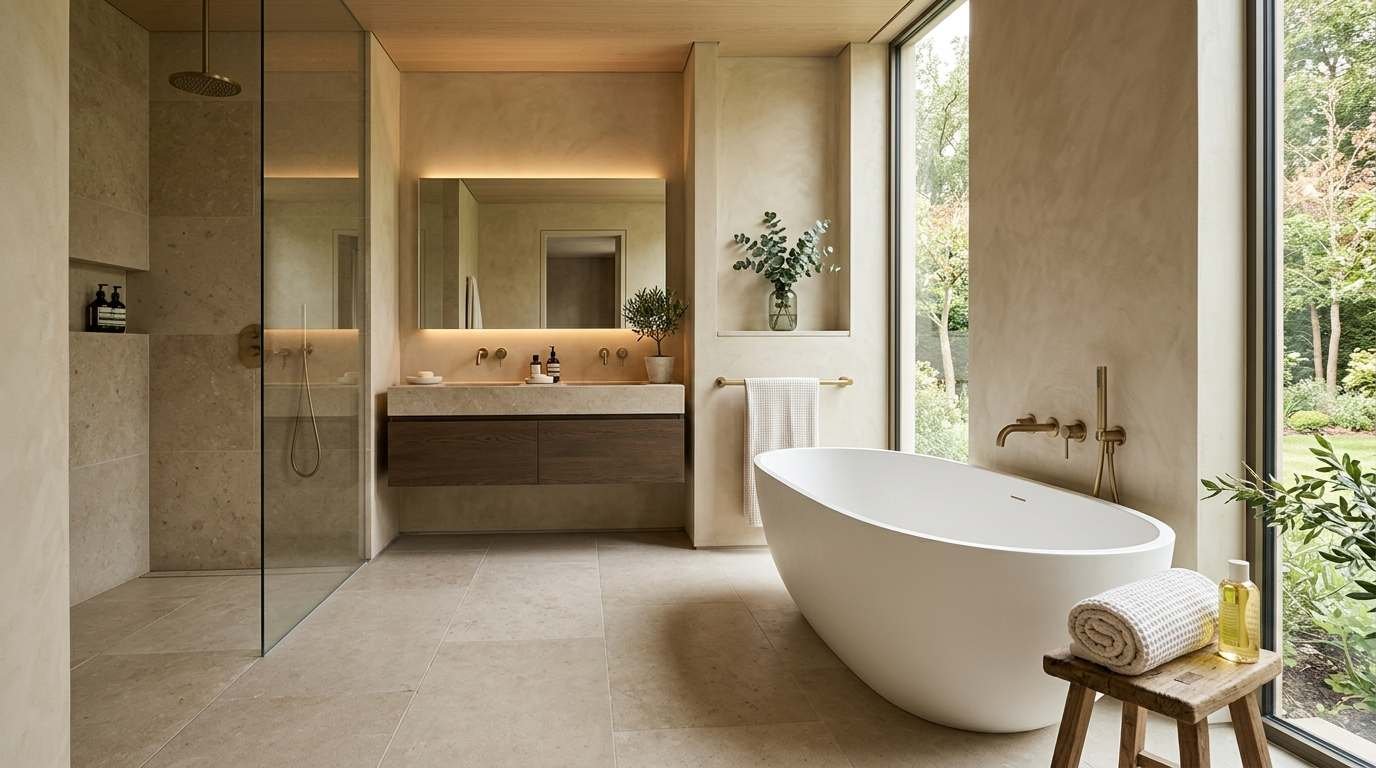

A freestanding bathtub can transform an ordinary bathroom into a refined, spa-like retreat. Unlike built-in tubs that sit against a wall or inside a dedicated surround, freestanding models are designed to stand independently, making the bathtub a visual centerpiece as well as a functional fixture.
From classic clawfoot designs to contemporary sculptural tubs, today’s freestanding bathtubs offer an impressive range of shapes, materials, sizes, and finishes. Choosing the right one, however, involves more than selecting the most attractive model. We need to consider bathroom dimensions, plumbing, installation requirements, comfort, maintenance, water capacity, and the overall design of the space.
This ultimate guide explores everything we need to know before choosing a freestanding bathtub, including popular styles, materials, sizing, installation, advantages, disadvantages, and practical design considerations.
Table of Contents
What Is a Freestanding Bathtub?
A freestanding bathtub is a standalone soaking tub that does not require a surrounding wall, platform, or built-in enclosure for support. It can generally be positioned almost anywhere in the bathroom where appropriate plumbing and drainage are available.
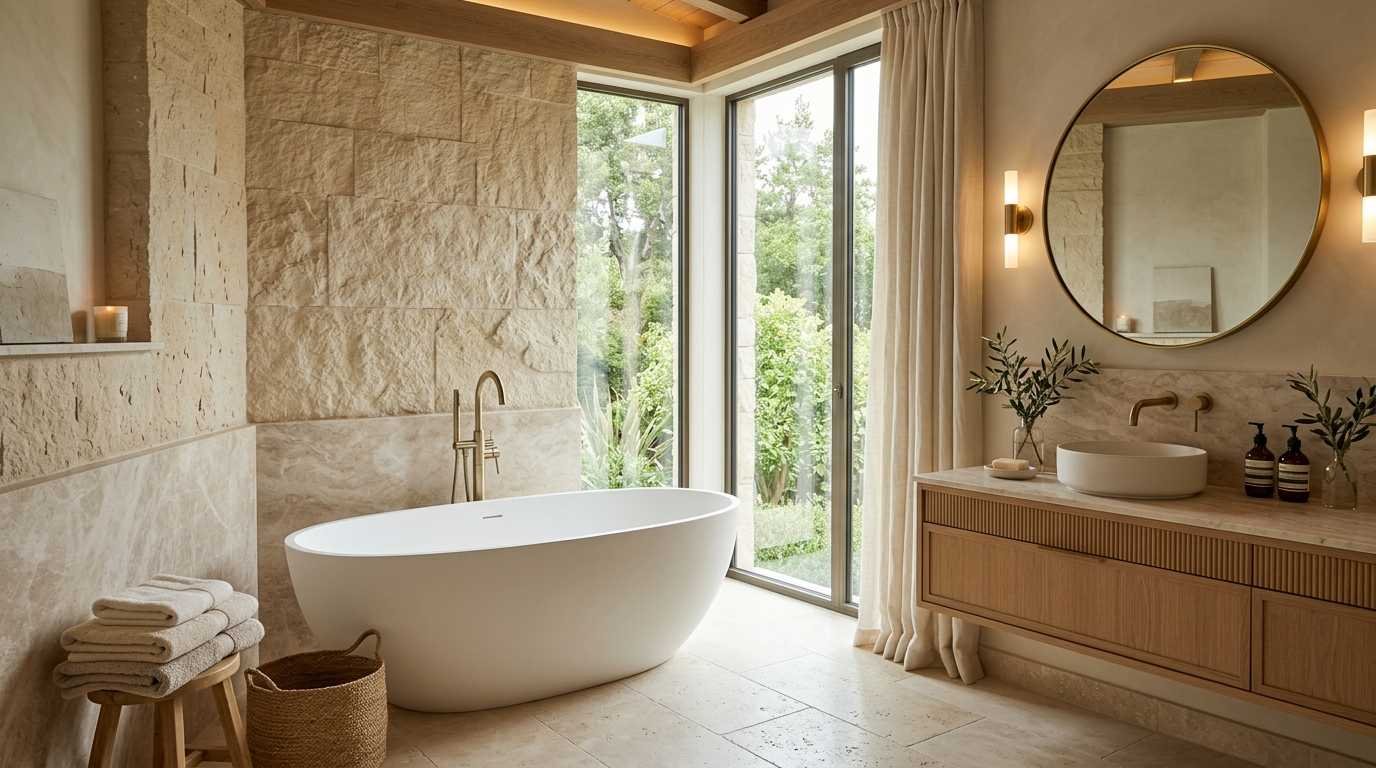
This independent construction gives us significantly more freedom when designing a bathroom. The tub can become the focal point of the room, particularly when placed beneath a window, beside a feature wall, or in the center of a spacious bathroom.
Freestanding tubs are available in numerous designs, including modern oval tubs, rectangular tubs, slipper tubs, pedestal tubs, clawfoot tubs, roll-top tubs, and Japanese-inspired soaking tubs.
Why Choose a Freestanding Bathtub?
One of the biggest advantages of a freestanding bathtub is its visual impact. A well-chosen tub immediately creates a sense of luxury and permanence.
Elegant Bathroom Focal Point
A freestanding bathtub naturally draws attention. Its independent silhouette allows the shape and material of the tub to become part of the interior architecture rather than simply blending into the background.
For a luxury bathroom, an elegant white oval tub can create a clean, contemporary appearance. In a traditional space, a clawfoot or roll-top design can introduce character and historical charm.
Greater Design Flexibility
Because a freestanding tub is not built into a wall or surround, we have more freedom with positioning. Depending on the plumbing configuration, the tub can be placed away from the walls or aligned with a window or architectural feature.
Easy Exterior Cleaning
Many freestanding tubs provide access to the exterior from multiple sides. This can make cleaning the surrounding floor and tub exterior easier than with some built-in configurations.
Suitable for Luxury Bathroom Designs
Freestanding bathtubs are particularly effective in spa-inspired, minimalist, contemporary, transitional, farmhouse, and traditional bathrooms. Their sculptural presence makes them suitable for spaces where the bathtub is intended to function as a design statement.
Popular Freestanding Bathtub Styles
Choosing a style that complements the architecture of the bathroom is essential.
Modern Freestanding Bathtubs
Modern tubs typically feature smooth surfaces, simple silhouettes, and minimal ornamentation. Oval and gently curved designs are especially popular because they soften the appearance of contemporary bathrooms.
A matte exterior, thin rim, or sculptural profile can create an especially sophisticated look.
Clawfoot Bathtubs
Clawfoot tubs have four decorative feet supporting the bathtub. They are associated with traditional and vintage-inspired interiors and can add considerable personality to a bathroom.
They work particularly well with classic faucets, marble surfaces, patterned flooring, and traditional wall treatments.
Slipper Bathtubs
Slipper tubs have one or both ends raised to create a more supportive lounging position. They are excellent choices for people who prioritize long, relaxing baths.
The elevated end can also give the bathtub a more dramatic silhouette.
Roll-Top Bathtubs
A roll-top tub has a rounded upper edge that creates a softer, traditional appearance. These tubs can work beautifully in classic bathrooms while still fitting comfortably into relaxed contemporary interiors.
Pedestal Bathtubs
Pedestal tubs sit on a raised base rather than directly on visible feet. The result is a substantial, furniture-like appearance that can make the bathtub feel especially luxurious.
Japanese-Style Soaking Tubs
Japanese-inspired soaking tubs are generally deeper and designed for upright immersion rather than reclining. They can be an excellent choice when relaxation and bathing depth are more important than stretching out horizontally.
Best Materials for Freestanding Bathtubs
The material affects the tub’s appearance, durability, weight, heat retention, and installation requirements.
Acrylic
Acrylic is one of the most common materials for modern freestanding bathtubs. It is relatively lightweight, smooth, easy to clean, and available in numerous shapes.
Acrylic tubs can also be easier to transport and install than heavier alternatives.
Cast Iron
Cast iron tubs are extremely durable and have a substantial, traditional feel. Their mass can contribute to excellent heat retention.
The major consideration is weight. We should verify that the bathroom floor can safely support the tub, water, and occupant before installation.
Stone Resin
Stone resin tubs are manufactured from mineral-based materials and are known for their substantial appearance and excellent heat retention.
They can create a high-end architectural aesthetic, although their weight can make transportation and installation more demanding.
Solid Surface
Solid-surface bathtubs offer a contemporary appearance with smooth, seamless-looking forms. They are particularly attractive for minimalist bathrooms where clean geometry is important.
Copper
Copper tubs provide a distinctive handcrafted appearance. Over time, the surface can develop a natural patina, giving the bathroom additional character.
They are particularly suitable for rustic, traditional, eclectic, and globally inspired interiors.
How to Choose the Right Freestanding Bathtub Size
Bathroom dimensions should guide the decision before we become attached to a particular tub design.
Common bathtub lengths range from compact models suitable for smaller bathrooms to oversized tubs intended for spacious primary bathrooms.
We should measure:
- The available floor area
- Doorway and hallway access
- Distance from walls
- Clearance around the tub
- Faucet location
- Drain position
- Plumbing connections
- Ceiling height where relevant
- Available space for cleaning
A bathtub may physically fit into a room but still make the bathroom uncomfortable if there is insufficient clearance around it.
For smaller bathrooms, a compact freestanding bathtub with a narrow profile can provide the desired aesthetic without overwhelming the space.
Freestanding Bathtub Placement Ideas
Placement can dramatically affect the final appearance.
Under a Window
Positioning a bathtub beneath a window can create a calming bathing environment and make use of otherwise underutilized space. Privacy should be considered, particularly on lower floors.
Against a Feature Wall
A freestanding tub can still sit near a wall while maintaining its standalone appearance. This approach is useful when space is limited or when plumbing makes a central position impractical.
In the Center of the Bathroom
In a large bathroom, a centrally positioned bathtub creates a dramatic luxury effect. It works especially well when the tub is visible immediately upon entering the room.
Beside a Fireplace
Where local building regulations and appropriate safety clearances permit, a freestanding tub near a fireplace can create an exceptionally atmospheric bathroom.
Freestanding Bathtub Faucets
The faucet should be selected at the same time as the bathtub rather than treated as an afterthought.
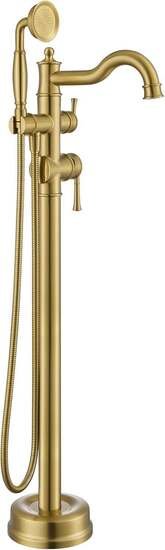
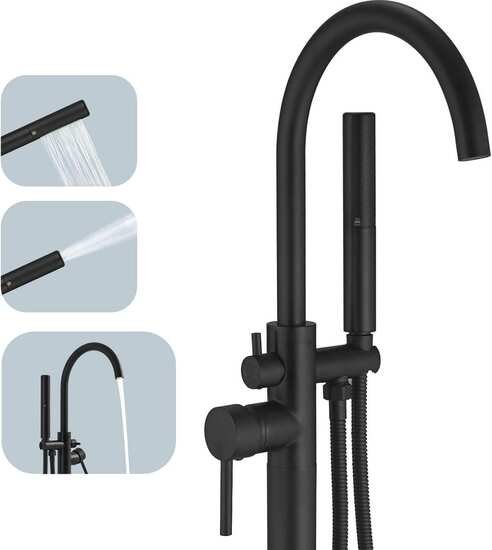
Popular options include floor-mounted tub fillers, wall-mounted faucets, deck-mounted faucets, and traditional exposed plumbing fixtures.
A floor-mounted faucet is particularly effective with a freestanding tub because it reinforces the standalone appearance. The faucet should be positioned carefully so the spout reaches the correct part of the bathtub without creating splashing.
The finish should also complement other bathroom hardware. Chrome, brushed nickel, brass, matte black, and bronze can each create a different design direction.
Freestanding Bathtub Installation Considerations
Installation requirements vary depending on the bathtub and plumbing configuration.
Before purchasing, we should confirm:
- Drain location and compatibility
- Water supply positioning
- Floor strength
- Tub weight
- Access through doors and stairways
- Faucet installation requirements
- Overflow configuration
- Local plumbing requirements
A heavy stone or cast-iron tub may require substantially more planning than a lightweight acrylic model.
Professional installation is generally advisable, particularly when plumbing needs to be relocated or the bathtub is unusually heavy.
Freestanding vs. Built-In Bathtubs
The choice between freestanding and built-in designs depends largely on bathroom layout and personal priorities.
| Feature | Freestanding Bathtub | Built-In Bathtub |
|---|---|---|
| Appearance | Sculptural and luxurious | Integrated and practical |
| Placement | More flexible | Usually wall or enclosure dependent |
| Installation | Can require specialized plumbing | Often straightforward |
| Cleaning | Accessible from multiple sides | Surround can require additional cleaning |
| Small bathrooms | Can be challenging | Often more space-efficient |
| Design impact | High | Moderate to high |
| Maintenance access | Potentially easier around exterior | More dependent on enclosure |
For a spacious bathroom where aesthetics are a priority, a freestanding tub can be an excellent choice. For compact bathrooms, a built-in tub may provide better use of available floor area.
How to Clean and Maintain a Freestanding Bathtub
Proper maintenance helps preserve the tub’s appearance.
We should follow the manufacturer’s cleaning recommendations because different materials can react differently to abrasive cleaners and harsh chemicals.
For most modern tubs, routine cleaning with a soft cloth or non-abrasive bathroom cleaner is sufficient. Soap residue and mineral deposits should not be allowed to accumulate.
The floor beneath and around the bathtub should also be cleaned regularly. Because freestanding tubs expose more of the surrounding floor, dust and moisture can become noticeable if the area is neglected.
For stone-based tubs, manufacturer-approved products are particularly important.
Common Freestanding Bathtub Mistakes to Avoid
One of the most common mistakes is choosing a tub based solely on appearance.
A beautiful bathtub can become impractical if it is too large for the bathroom, uncomfortable to use, difficult to access, or incompatible with existing plumbing.
We should also avoid overlooking the bathtub’s interior dimensions. Two tubs with similar exterior measurements can provide very different bathing experiences.
Another mistake is failing to check delivery access. A large tub may fit perfectly in the bathroom but be impossible to maneuver through a narrow doorway or staircase.
Finally, we should avoid treating the faucet as an afterthought. The faucet’s height, reach, position, and finish can significantly influence both usability and visual balance.
How to Create a Luxury Bathroom Around a Freestanding Tub
A freestanding bathtub becomes even more striking when supported by carefully selected materials and lighting.
Natural stone, large-format porcelain, microcement, warm wood, textured plaster, and elegant metal finishes can all complement a freestanding tub.
Lighting should include multiple layers rather than relying solely on one ceiling fixture. Soft ambient lighting, wall sconces, concealed illumination, or a decorative pendant can create a relaxing atmosphere.
Accessories should remain intentional. A wooden bath stool, sculptural vase, folded towels, minimalist bath tray, or carefully selected artwork can add warmth without creating visual clutter.
The goal is to create a bathroom where the bathtub feels integrated into the overall design rather than appearing as an isolated fixture.
Final Thoughts
A freestanding bathtub can bring architectural character, comfort, and a sense of luxury to almost any thoughtfully designed bathroom. The ideal choice depends on more than appearance: dimensions, material, interior comfort, plumbing, floor strength, maintenance, and overall room proportions all deserve careful consideration.
For a contemporary bathroom, a streamlined acrylic or solid-surface tub can create a refined minimalist statement. Traditional spaces may benefit from a clawfoot or roll-top design, while deeper soaking tubs can transform everyday bathing into a more immersive experience.
When we select the bathtub according to both practical requirements and design vision, the result can become one of the most memorable features in the entire home.
Frequently Asked Questions About Freestanding Bathtubs
Are freestanding bathtubs worth it?
For many homeowners, yes. A freestanding bathtub can provide a strong visual focal point, flexible styling options, and a luxurious bathing experience. The main considerations are available space, installation requirements, and budget.
Are freestanding tubs comfortable?
Comfort depends on the tub’s interior shape, depth, length, back angle, and individual preferences. A bathtub that looks beautiful may not necessarily be comfortable, so we should examine the interior dimensions before purchasing.
Do freestanding tubs require special plumbing?
They can. The exact requirements depend on the tub and faucet configuration. Floor-mounted faucets and exposed plumbing systems may require specific positioning, while drain placement also needs to match the installation.
Are freestanding bathtubs difficult to clean?
Not necessarily. Their exposed exterior can make some areas easier to access, although the floor underneath and around the bathtub requires regular cleaning.
Can a freestanding tub work in a small bathroom?
Yes, provided the dimensions and clearances are carefully planned. Compact freestanding models can work in smaller bathrooms, although built-in tubs may sometimes use limited floor space more efficiently.


Leave a Reply