
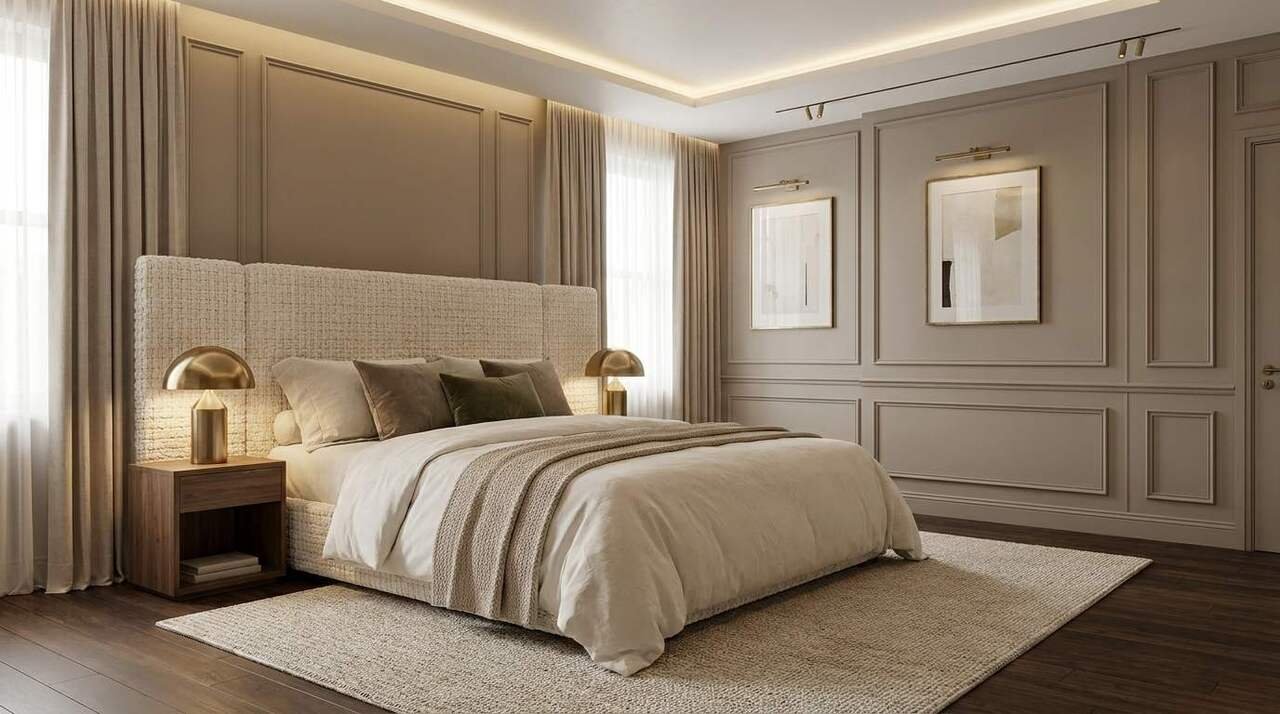

Luxury bedroom design is less about filling a room with expensive furniture and more about creating a space that feels considered, comfortable, and beautifully balanced. The most successful luxury bedrooms combine strong proportions, tactile materials, layered lighting, refined colors, and a few memorable details rather than relying on decoration alone.
For 2026, bedroom design is moving toward warmer, more personal interiors. Designers are embracing richer textures, cocooning layouts, natural materials, expressive colors, and lighting that can shift with the time of day.
That makes luxury bedroom design surprisingly accessible. You don’t necessarily need a huge primary suite, custom furniture, or a dramatic renovation. The right headboard, beautifully layered bedding, carefully chosen lighting, and a restrained material palette can transform an ordinary bedroom into an elegant retreat.
Whether you’re designing a modern master bedroom, a small luxury bedroom, or a sophisticated guest room, these ideas will help you create a space that feels elevated without becoming cold or overly formal.
Suggested Reads: Bedroom Design PDF: Complete Bedroom Guide
Table of Contents
What Makes a Bedroom Look Luxurious?
A luxurious bedroom typically combines comfort, proportion, texture, lighting, quality materials, and visual restraint. The goal is to make every element feel intentional.
Luxury doesn’t automatically mean gold finishes, oversized chandeliers, or expensive furniture. In fact, an overdecorated room can look less sophisticated than a simpler room with excellent materials and thoughtful styling.
A useful luxury bedroom formula is:
Beautiful focal point + layered texture + warm lighting + cohesive colors + uncluttered styling = refined luxury.
Current bedroom design trends support this shift toward warmer, more layered and personal spaces rather than sterile, showroom-like rooms.
The five foundations of luxury bedroom design
| Element | What to prioritize |
|---|---|
| Bed | Strong proportions and an upholstered or architectural headboard |
| Color | Warm neutrals, earthy tones, sophisticated dark shades, or controlled jewel tones |
| Lighting | Multiple layers rather than one central fixture |
| Materials | Wood, stone, linen, velvet, boucle, wool, brass, bronze, or plaster finishes |
| Styling | Fewer, better-chosen objects with plenty of visual breathing room |
The secret is cohesion. A beautiful bed cannot compensate for harsh lighting, clutter, mismatched furniture, or poorly scaled accessories.
1. Make the Bed the Star of the Room
The bed naturally becomes the visual anchor of a bedroom, so it deserves the most attention.
For a luxury look, consider:
- A tall upholstered headboard
- A wall-to-wall padded headboard
- A curved or channel-tufted headboard
- A rich walnut or oak bed frame
- A canopy or four-poster silhouette
- An integrated headboard and nightstand design
- A dramatic statement wall behind the bed
An oversized upholstered headboard can make a relatively simple bedroom feel architectural. Instead of adding several decorative objects, one substantial focal point can establish the entire mood.
For a softer contemporary look, choose linen, boucle, or textured upholstery. Velvet works well when you want more drama, while natural wood introduces warmth.
Expert tip: Don’t automatically choose the largest bed that fits. Scale matters. Leave enough circulation space around the bed for the room to feel comfortable rather than cramped.
2. Create a Sophisticated Luxury Bedroom Color Palette
Color determines whether a bedroom feels serene, dramatic, warm, or glamorous.
For an understated luxury bedroom, start with three layers:
- Base color — walls, flooring, or large furniture
- Supporting tones — bedding, curtains, rugs, and upholstery
- Accent color — artwork, cushions, lamps, or accessories
Elegant bedroom color combinations
| Style | Main palette | Accent |
| Warm modern luxury | Ivory, beige, taupe | Aged brass |
| Moody luxury | Espresso, charcoal, deep brown | Bronze |
| Soft organic luxury | Cream, sand, warm white | Olive green |
| Contemporary elegance | Greige, walnut, ivory | Black |
| Jewel-tone luxury | Deep green, navy, plum | Antique brass |
| Boutique-hotel style | Mushroom, cream, chocolate | Burgundy |
Warm neutrals are particularly effective because they create a calm foundation while allowing texture to become part of the design.
If you prefer stronger color, don’t be afraid of deeper shades. Current bedroom trends are moving away from overly sterile white and gray interiors toward warmer hues, richer earth tones, and more expressive palettes.
Try color drenching
For a cocooning bedroom, use a similar shade across the walls, trim, and sometimes ceiling. This creates visual continuity and can make the room feel intentionally designed.
Deep olive, chocolate brown, muted terracotta, dusty blue, or warm taupe can all work beautifully.
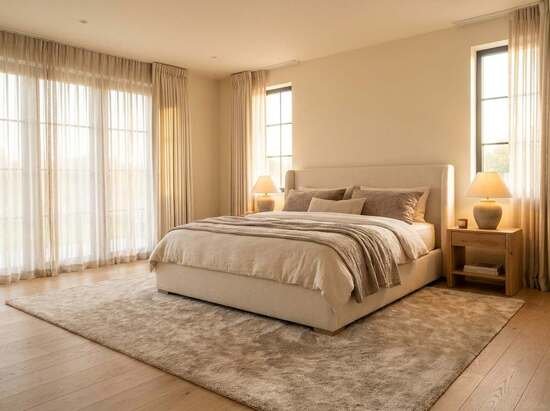
3. Layer the Lighting Instead of Relying on One Fixture
Lighting can make or break luxury bedroom design.
Publish
A single ceiling light often creates flat, unflattering illumination. A sophisticated bedroom uses several sources that work independently.
Build three lighting layers
Ambient lighting:
Provides overall illumination through a chandelier, pendant, recessed lighting, or architectural fixtures.
Task lighting:
Supports reading and everyday activities through bedside lamps or adjustable sconces.
Accent lighting:
Creates atmosphere through concealed LED strips, picture lights, architectural lighting, or decorative lamps.
Warm, dimmable lighting is especially useful in bedrooms because the atmosphere can change from bright and functional in the morning to soft and relaxing at night. Designers are increasingly treating lighting controls as part of the bedroom design itself rather than an afterthought.
Luxury lighting ideas
- Sculptural pendant lights on both sides of the bed
- Oversized bedside lamps
- Wall sconces mounted at reading height
- A subtle chandelier above the bed
- Backlit headboards
- Concealed lighting beneath floating nightstands
- Picture lights above artwork
Pro tip: Make sure bedside lighting can be controlled from the bed. This small convenience contributes significantly to the feeling of a well-designed primary suite.
4. Layer Luxurious Textures
Texture is one of the easiest ways to make a bedroom feel expensive without filling it with expensive objects.
Think beyond color and combine materials that feel different to the touch.
A sophisticated combination might include:
- Crisp cotton sheets
- Linen duvet cover
- Velvet accent cushion
- Boucle bench
- Wool rug
- Wood furniture
- Stone or ceramic accessories
- Brushed metal lighting
The key is contrast.
A room decorated entirely in smooth surfaces can feel flat. A room with too many competing textures can feel chaotic. Aim for a small number of complementary materials repeated throughout the space.
5. Invest in Beautiful Bedding
Luxury bedroom design begins with the bed, but the bedding determines how inviting it feels.
Instead of buying a matching bedding set with every component in exactly the same fabric, layer different materials and tones.
Try:
Fitted sheet → flat sheet → duvet → folded coverlet → sleeping pillows → decorative pillows → throw blanket
Keep the palette coordinated but introduce subtle differences in texture.
For example, cream linen bedding can be paired with a warm taupe coverlet, textured ivory cushions, and a chocolate-brown throw.
The result looks relaxed rather than overly staged.
6. Design a Statement Wall Behind the Bed
The wall behind the bed offers one of the biggest opportunities to introduce architectural character.
Popular luxury bedroom wall treatments include:
Fluted panels
Vertical fluting adds depth and rhythm while maintaining a contemporary appearance.
Upholstered panels
A padded wall behind the bed creates a soft, boutique-hotel effect.
Wood paneling
Walnut or oak can introduce warmth and make a large bedroom feel more intimate.
Limewash or plaster finishes
Subtle variation gives the walls a handcrafted appearance.
Wallpaper
A sophisticated botanical, geometric, textured, or heritage pattern can provide personality without requiring major construction.
Decorative molding
Traditional panel molding can create an elegant architectural backdrop, particularly in classic or transitional bedrooms.
Choose one major treatment rather than combining several competing focal points.
7. Bring Natural Materials Into the Bedroom
Natural materials prevent luxury interiors from feeling artificial.
Wood, stone, linen, wool, rattan, ceramics, and natural fibers can add warmth and subtle variation.
A particularly effective combination is:
Warm wood + linen + stone + aged metal + soft upholstery.
This palette feels luxurious without being flashy.
Natural materials also work well with the increasingly popular organic and biophilic direction in bedroom design. Current design coverage highlights natural wood, tactile materials, and warmer palettes as important elements in contemporary bedrooms.
8. Choose Nightstands With the Right Proportions
Nightstands are easy to overlook, but poorly scaled bedside furniture can make an otherwise beautiful room feel awkward.
Ideally, the nightstand should relate visually to the height of the mattress and headboard.
Consider:
- Floating nightstands for a minimalist look
- Stone-topped tables for contemporary luxury
- Dark wood nightstands for contrast
- Rounded nightstands for softer interiors
- Mirrored or metallic tables for glamour
- Matching nightstands for symmetry
Don’t feel obligated to put identical lamps and accessories on both sides.
Symmetry is useful, but subtle variation can make the room feel more collected and personal.
9. Add an Upholstered Bench at the Foot of the Bed
If space allows, a bench provides both function and visual balance.
Choose a piece that echoes another material in the room:
- Boucle to complement an upholstered headboard
- Velvet for a glamorous bedroom
- Wood for an organic space
- Leather for a sophisticated contemporary room
Avoid oversized benches that interfere with circulation.
In smaller bedrooms, a narrow upholstered stool can provide a similar effect without consuming as much floor space.
10. Use Curtains to Make the Room Feel Taller
Window treatments are one of the details that can separate an average bedroom from a polished one.
For a more luxurious appearance:
- Hang curtains higher than the window frame where appropriate.
- Let panels extend toward the floor.
- Choose generous fabric widths.
- Consider linen for relaxed elegance.
- Use velvet when you want a more dramatic atmosphere.
- Layer sheer curtains with heavier drapes for flexibility.
Custom-looking window treatments can have a surprisingly strong effect because they frame the architecture of the room.
11. Introduce a Large Area Rug
A rug creates softness underfoot while visually connecting the furniture.
For a luxury bedroom, the rug should usually be large enough to extend beyond the bed rather than appearing like a small island underneath it.
Good choices include:
- Wool
- Wool and viscose blends
- Natural fiber rugs
- Vintage-style rugs
- Low-pile patterned rugs
- Subtle geometric designs
A large neutral rug can be particularly effective when the rest of the room already contains strong visual details.
12. Add One Memorable Piece of Art
Luxury interiors rarely need dozens of decorative objects.
Instead, choose one or two pieces with genuine visual presence.
Consider:
- An oversized abstract painting
- A vintage artwork
- A sculptural wall piece
- Photography
- A large framed textile
- A meaningful personal artwork
Avoid filling every empty wall simply because it is available.
Negative space is part of luxury.
A current design preference for more personalized interiors also supports choosing meaningful art and vintage or collected pieces over generic decorative accessories.
13. Create a Boutique-Hotel Atmosphere
If you love hotel-inspired bedrooms, focus on the experience rather than copying a particular hotel.
A boutique-hotel bedroom often combines:
- A substantial headboard
- Layered bedding
- Symmetrical bedside lighting
- High-quality curtains
- A restrained color palette
- Soft carpet or a generous rug
- Minimal visible clutter
- Comfortable seating
- Warm, controllable lighting
The result should feel polished but still personal.
The best luxury bedroom is not one that looks like nobody is allowed to use it.
14. Try a Moody Luxury Bedroom
Dark bedrooms can feel remarkably sophisticated when balanced correctly.
Consider colors such as:
- Chocolate brown
- Charcoal
- Deep olive
- Navy
- Burgundy
- Espresso
- Blackened green
Pair dark walls with lighter bedding and warm lighting to prevent the room from becoming visually heavy.
Wood, brass, linen, and textured fabrics are particularly effective in moody interiors.
15. Make a Small Bedroom Feel Luxurious
Luxury doesn’t require a large floor plan.
In a small bedroom, prioritize scale, storage, and visual simplicity.
Use:
- Wall-mounted bedside tables
- Built-in wardrobes
- Full-height curtains
- One large headboard
- Under-bed storage
- Integrated lighting
- Mirrors used strategically
- A limited color palette
Avoid filling the room with lots of small furniture pieces. Several small objects can make a compact room feel busier than a few substantial pieces.
A floating nightstand can also reveal more floor area, helping the room feel visually lighter.
16. Hide the Technology
A television, visible charging cables, routers, and multiple devices can disrupt an otherwise serene bedroom.
If you need technology in the room, integrate it discreetly.
Ideas include:
- Concealed TV cabinets
- Wall-mounted TVs that blend into the design
- Cable management behind nightstands
- Built-in charging points
- Hidden speakers
- Smart lighting controls
The trend toward hiding televisions and creating bedrooms that feel warmer and more personal is increasingly visible in 2026 design discussions.
17. Add Greenery Carefully
Plants can soften a bedroom and introduce a natural element.
However, luxury styling benefits from restraint.
Instead of filling every surface with plants, choose one statement plant or a small number of carefully placed varieties.
A sculptural olive tree, tall leafy plant, or simple branch arrangement can work beautifully depending on the room.
Avoid artificial plants that look obviously fake. Authenticity and quality matter more than quantity in refined interiors.
18. Mix Metals Without Creating Chaos
You don’t have to use one metal throughout the room.
A sophisticated bedroom can combine:
- Aged brass
- Brushed bronze
- Matte black
- Chrome
- Nickel
The trick is repetition.
If you use aged brass on the bedside lamps, repeat a similar tone in the curtain hardware or decorative accessories.
Two complementary metal finishes are generally easier to coordinate than several unrelated finishes.
19. Use Mirrors Strategically
Mirrors can make a bedroom feel brighter and more spacious while adding elegance.
Try:
- A large decorative mirror above a dresser
- Mirrored wardrobe doors
- Arched floor mirrors
- Antique-style mirrors
- Small decorative mirrors grouped selectively
Don’t use mirrors simply to make the room look larger. Consider what the mirror reflects. A beautiful view, artwork, architectural feature, or light source can make the reflection part of the room’s design.
20. Create a Comfortable Reading Corner
If you have enough space, turn an unused corner into a private retreat.
A simple arrangement can include:
- One comfortable armchair
- A small side table
- A floor or table lamp
- A soft throw
- A small rug
This makes the bedroom feel more like a complete sanctuary rather than simply a place centered around the bed.
21. Give Storage a Luxury Treatment
Luxury is also about what you don’t see.
Cluttered surfaces can undermine even expensive furniture and finishes. Current luxury-interior advice increasingly emphasizes clean surfaces, concealed cords, thoughtful storage, and fewer but better objects.
Use:
- Built-in wardrobes
- Closed nightstands
- Under-bed drawers
- Storage benches
- Full-height cabinetry
- Decorative boxes
- Concealed laundry storage
A useful rule is:
Everyday essentials should have a home, and most of them shouldn’t be visible.
22. Add Architectural Interest Above the Bed
Don’t forget the ceiling.
A bedroom can feel dramatically more sophisticated when the ceiling becomes part of the design.
Options include:
- Coffered ceilings
- Wood slats
- Wallpapered ceilings
- Painted ceilings
- Decorative molding
- Recessed lighting
- A statement pendant
You don’t need elaborate architectural work. Even a simple ceiling treatment can create a stronger sense of enclosure and intention.
23. Introduce Curves for a Softer Luxury Look
Curved furniture has become increasingly popular because it softens rooms dominated by straight lines.
Try:
- Rounded headboards
- Curved benches
- Circular bedside tables
- Arched mirrors
- Sculptural lamps
- Rounded accent chairs
Curves work particularly well with tactile fabrics and warm neutral palettes.
24. Personalize the Bedroom Without Adding Clutter
A luxury bedroom should reflect the person who uses it.
Instead of displaying everything you love, curate a small selection.
Choose objects with:
- Personal meaning
- Interesting craftsmanship
- Historical character
- Travel memories
- Artistic value
- Natural beauty
This creates a collected appearance rather than a showroom aesthetic.
The current move toward more soulful, personalized bedrooms reinforces this idea: the room should support how people actually live and feel, not simply reproduce a trend.
25. Focus on Quality Over Quantity
Perhaps the most important luxury bedroom principle is simple:
Buy less, but choose better.
Rather than purchasing ten inexpensive decorative pieces, consider investing in one excellent lamp, a beautiful rug, quality bedding, or a well-made headboard.
This approach creates a more timeless room and makes future updates easier.
Luxury is ultimately a feeling created through proportion, comfort, material quality, craftsmanship, and thoughtful editing—not a price tag.
How to Design a Luxury Bedroom Step by Step
If you’re starting from an empty room, use this sequence:
- Measure the room. Record dimensions, windows, doors, outlets, and architectural features.
- Choose the bed first. Establish the main focal point and furniture scale.
- Select the color palette. Pick a base shade, supporting tones, and one accent.
- Design the wall behind the bed. Decide whether it needs paint, wallpaper, paneling, or upholstery.
- Plan the lighting. Include ambient, task, and accent lighting.
- Choose large furniture. Add nightstands, wardrobes, benches, and seating based on available space.
- Layer textiles. Introduce bedding, rugs, curtains, cushions, and throws.
- Add artwork. Choose meaningful pieces rather than filling every wall.
- Edit the accessories. Remove anything that feels unnecessary.
- Finish with personal details. Add books, objects, flowers, or artwork that make the room yours.
Designing in this order prevents a common mistake: buying decorative accessories before solving the room’s proportions, lighting, and major furniture.
Luxury Bedroom Design: What to Avoid
Even expensive furniture can look ordinary when the room lacks visual discipline.
Avoid:
- Too many decorative objects
- Matching furniture sets everywhere
- Harsh cool-white lighting
- Poorly scaled rugs
- Tiny artwork over a large bed
- Excessive metallic finishes
- Visible cables
- Cheap-looking faux materials
- Furniture that blocks circulation
- Too many competing focal points
- Trend-heavy decor with no connection to the rest of the home
The goal isn’t perfection. It’s intentionality.
A room can contain vintage pieces, modern furniture, inexpensive accessories, and heirlooms and still feel luxurious when everything works together.
The Luxury Bedroom Design Formula
For a quick reference, use this framework:
| Design Layer | Luxury Approach |
| Focal point | Statement bed or headboard |
| Walls | Warm paint, textured finish, wallpaper, or paneling |
| Bedding | Multiple complementary layers |
| Lighting | Ambient + task + accent |
| Flooring | Wood, carpet, or generous area rug |
| Furniture | Few pieces with strong proportions |
| Materials | Natural, tactile, and visually complementary |
| Accessories | Curated rather than crowded |
| Storage | Mostly concealed |
| Personality | Art, books, vintage pieces, meaningful objects |
Final Thoughts on Luxury Bedroom Design
The most beautiful luxury bedroom designs don’t try too hard to look luxurious.
They feel calm.
They have enough texture to be interesting, enough empty space to breathe, enough lighting flexibility to change throughout the day, and enough personality to feel like someone’s real home.
For 2026, that means moving beyond the idea that luxury equals glossy surfaces and obvious extravagance. Warmer colors, tactile materials, natural finishes, layered lighting, meaningful artwork, and cocooning layouts are creating bedrooms that feel sophisticated while remaining comfortable and personal.
If you’re redesigning your bedroom, start with the elements that have the greatest visual impact: the bed, wall behind it, lighting, color palette, and textiles. Once those are right, the smaller details become much easier to choose.
The result should be a bedroom that doesn’t simply look expensive—it should feel exceptionally good to live in.
Key Takeaways
- Luxury bedroom design is about balance, comfort, proportion, and thoughtful details—not simply expensive furniture.
- Make the bed and headboard the primary focal point of the room.
- Use warm neutrals, earthy colors, or carefully controlled darker tones for a sophisticated palette.
- Layer ambient, task, and accent lighting instead of depending on one ceiling fixture.
- Combine tactile materials such as linen, velvet, wool, wood, stone, and metal.
- Use concealed storage to keep surfaces visually calm and uncluttered.
- Choose meaningful artwork and accessories instead of generic decorative objects.
- Large rugs, full-height curtains, and well-scaled furniture can dramatically elevate a bedroom.
- Natural materials and warmer finishes are especially relevant to 2026 bedroom design.
- The best luxury bedroom should feel personal, comfortable, and genuinely livable.
Suggested Reads: Mastering Bedroom Decor: Stylish Ideas for a Cozy Space
Frequently Asked Questions
What makes a bedroom look luxurious?
A bedroom looks luxurious when its furniture is well proportioned, the color palette is cohesive, lighting is layered, materials feel tactile and high quality, and surfaces are thoughtfully edited. Luxury comes from visual harmony and attention to detail rather than simply adding expensive decorations.
What colors are best for a luxury bedroom?
Warm ivory, cream, beige, taupe, mushroom, chocolate brown, deep olive, navy, and muted jewel tones can all create a luxurious bedroom. The best choice depends on the room’s natural light and the atmosphere you want to create.
How can I make a small bedroom look luxurious?
Use fewer but better-scaled pieces, choose a strong headboard, install full-height curtains, use concealed storage, add layered lighting, and keep the color palette cohesive. Wall-mounted nightstands can also preserve valuable floor space.
How do you make a bedroom look expensive?
Focus on high-impact details such as quality bedding, a substantial headboard, layered lighting, large curtains, a properly scaled rug, natural materials, and restrained accessories. Improving these elements is often more effective than buying lots of small decor pieces.
What lighting is best for a luxury bedroom?
A combination of warm ambient lighting, bedside task lighting, and subtle accent lighting generally creates the most sophisticated effect. Dimmable fixtures make it easier to change the atmosphere from functional to relaxing.
Should a luxury bedroom have matching furniture?
Not necessarily. Matching nightstands can create symmetry, but mixing complementary furniture styles and materials can make a bedroom feel more collected and individual. The key is maintaining consistency in scale, color, and overall design language.
How do I make my bedroom feel like a luxury hotel?
Start with a substantial headboard, layered bedding, symmetrical bedside lighting, elegant curtains, a restrained palette, a large rug, concealed storage, and warm adjustable lighting. Add personal artwork and objects so the room still feels like home.
Is luxury bedroom design possible on a budget?
Yes. Prioritize the elements that have the biggest visual impact. A beautiful headboard, quality-looking bedding, good lighting, coordinated curtains, and a cohesive color palette can create a luxury effect without renovating the entire room.
Leave a Reply