
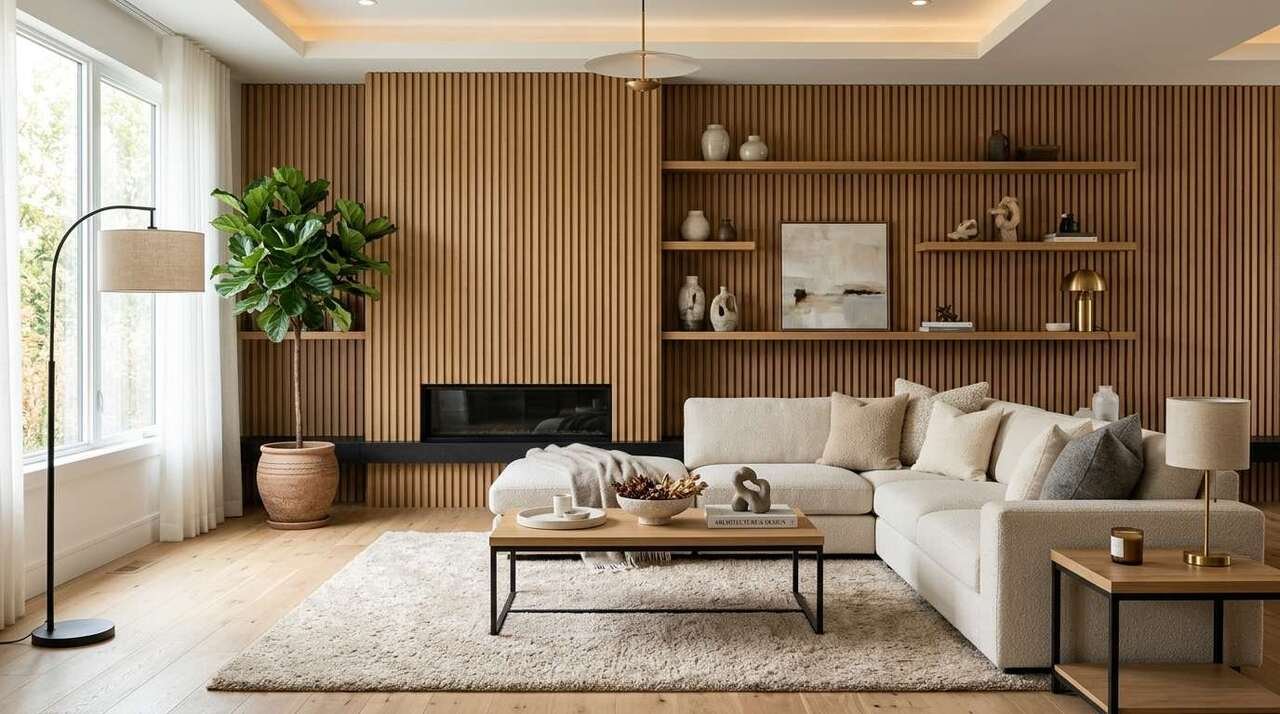

Wood wall design ideas can completely transform a living room, adding warmth, texture, architectural character, and a sense of timeless style. Whether we prefer a modern minimalist interior, a cozy rustic retreat, an elegant contemporary space, or a dramatic statement room, wood wall treatments give us countless ways to create an inviting atmosphere.
From sophisticated wood slat walls and elegant paneling to reclaimed timber, decorative battens, and warm oak accent walls, wood can become one of the defining features of a living room. The key is choosing a design that complements the room’s architecture, furniture, lighting, and overall color palette.
Table of Contents
1. Create a Modern Wood Slat Accent Wall
A wood slat wall is one of the most versatile choices for a contemporary living room. Vertical wooden slats introduce rhythm and texture while making the walls feel more architectural.
We can use evenly spaced natural wood battens against a contrasting dark, neutral, or painted background. This approach works particularly well behind a television, sofa, fireplace, or console.
For a sophisticated appearance, we can select oak, walnut, ash, or medium-toned wood and keep the surrounding furniture relatively streamlined. Vertical slats can also visually emphasize ceiling height, making them especially effective in rooms with lower ceilings.
2. Use Warm Oak for a Timeless Living Room
Oak wall panels bring a naturally elegant quality to interiors. Their visible grain adds subtle visual interest without making the room feel overly decorated.
Light oak works beautifully with cream upholstery, beige textiles, linen curtains, and soft neutral rugs. It is particularly effective in Scandinavian, modern organic, Japandi, and contemporary interiors.
For a richer appearance, we can choose smoked or medium-toned oak and combine it with black accents, brass lighting, leather furniture, or deep green accessories.
3. Design a Floor-to-Ceiling Wood Accent Wall
A floor-to-ceiling wood wall can create a powerful architectural focal point. Rather than treating wood as a small decorative feature, we can use it across the entire height of one wall.
This technique works particularly well behind a sofa or entertainment area. The uninterrupted vertical surface creates a strong visual anchor and can make the living room feel intentionally designed.
For a refined result, we should avoid covering every wall with contrasting wood treatments. One dominant wood feature is often enough to establish the desired atmosphere.
4. Add Wood Paneling Behind the Television
The television wall is an excellent location for wood wall design. Instead of mounting a television against a plain painted wall, we can create an integrated entertainment feature using wood panels, battens, shelving, or cabinetry.
A contemporary solution combines warm wood with a wall-mounted television and minimalist floating storage. Concealed cable management helps maintain a clean appearance.
We can also introduce vertical slats around the television while leaving selected sections open for lighting or decorative objects. This creates dimension without overwhelming the technology.
5. Try Horizontal Wood Wall Panels
While vertical wood installations emphasize height, horizontal wood panels can make a living room feel wider and more expansive.
Horizontal paneling is particularly attractive in long or narrow rooms. Long timber boards naturally draw the eye across the wall, reinforcing the room’s horizontal proportions.
We can pair horizontal wood with low-profile furniture, large artwork, and wide sofas for a balanced composition.
6. Choose Reclaimed Wood for Rustic Character
For a relaxed and authentic interior, reclaimed wood offers a character that newly manufactured panels cannot easily reproduce.
Weathered boards can feature knots, variations in color, visible grain, and natural imperfections. These details create a warm, lived-in appearance.
A reclaimed wood accent wall works particularly well with:
- Leather sofas
- Woven baskets
- Vintage furniture
- Exposed brick
- Black metal accents
- Linen textiles
- Natural stone
- Warm ambient lighting
We can use reclaimed timber sparingly if we want rustic character without making the living room feel like a traditional cabin.
7. Combine Wood and Stone for an Organic Look
Wood and stone are natural partners for sophisticated living room interiors. The softness and warmth of timber balances the rugged texture of stone.
We can combine a wood-paneled wall with a stone fireplace, limestone feature, travertine details, or a textured stone television surround.
This combination works particularly well in modern organic and luxury interiors because both materials provide texture without relying on excessive decoration.
8. Frame a Fireplace With Wood
A fireplace naturally becomes the focal point of a living room, and wood can make it even more visually prominent.
We can surround a fireplace with vertical timber battens, wide wood panels, or carefully spaced slats. For a contemporary design, pairing warm wood with a simple black fireplace creates an appealing contrast.
Safety should always remain a priority. Wood materials must be installed according to the fireplace manufacturer’s clearance requirements and applicable building regulations.
9. Create a Japandi-Inspired Wood Wall
Japandi interiors combine Japanese simplicity with Scandinavian warmth, making wood a natural material for this aesthetic.
For a Japandi wood wall, we can choose pale oak, ash, or another light natural timber and combine it with:
- Soft beige walls
- Low-profile furniture
- Simple ceramics
- Natural fibers
- Minimal artwork
- Neutral upholstery
- Soft indirect lighting
The goal is not to make the wall excessively decorative. Instead, the grain, texture, and natural color of the wood should provide understated visual interest.
10. Use Dark Wood for a Dramatic Living Room
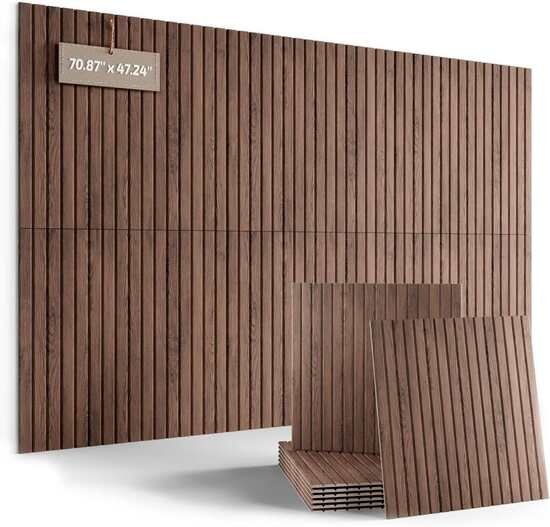
Dark walnut, espresso, smoked oak, and other deep wood tones can create an exceptionally sophisticated atmosphere.
A dark wood accent wall works beautifully in rooms with generous natural light. We can balance the darker surface with cream furniture, lighter flooring, reflective metal accents, and carefully positioned lamps.
For a luxurious effect, combine dark wood with brass, marble, velvet, or textured stone.
Dark wood can also work in smaller living rooms when used strategically on a single feature wall rather than throughout the entire space.
11. Add Decorative Wood Battens
Wood battens offer a flexible way to introduce architectural detail without installing a completely solid wood wall.
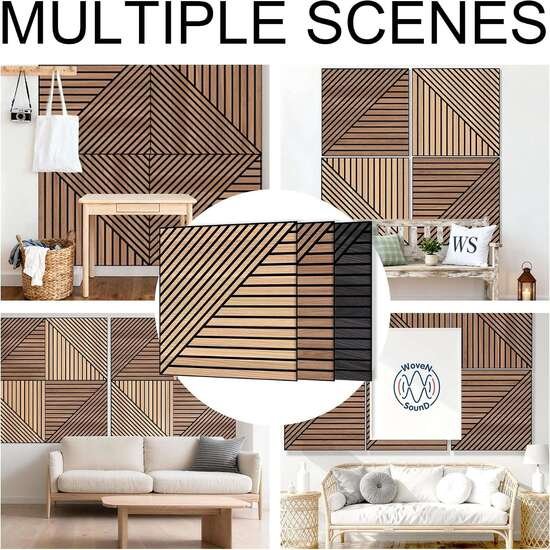
We can use battens to create geometric compositions, partial accent walls, room dividers, or decorative framing around architectural features.
Vertical battens are particularly effective when we want to visually increase ceiling height. They can also provide subtle separation between living and dining areas in an open-plan home.
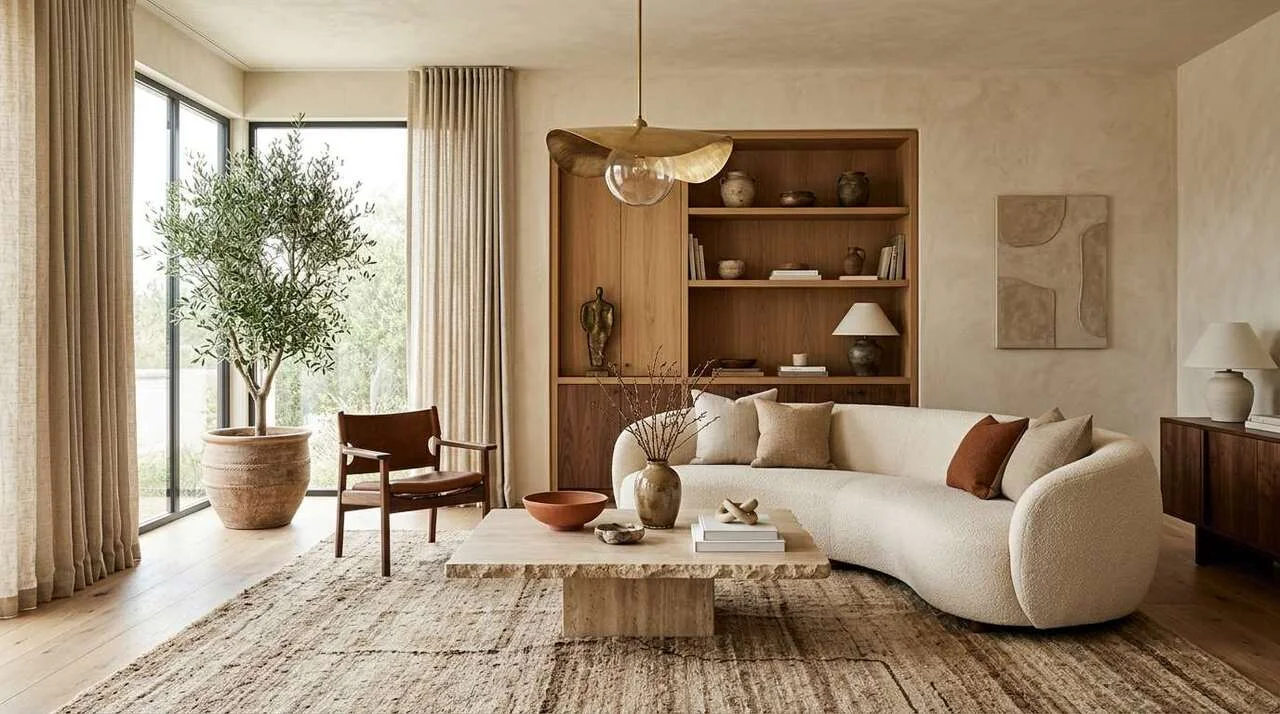
12. Design a Wood Accent Wall With Built-In Shelving
Combining wood wall panels and built-in shelving creates both decorative impact and practical storage.
A wood feature wall can provide the background for recessed shelves, floating cabinets, bookshelves, or display niches. We can then use the shelving to showcase books, ceramics, artwork, plants, and personal objects.
This approach is especially useful when we want the living room to feel organized rather than cluttered.
Built-in storage also allows the wood treatment to become part of the architecture rather than appearing as an afterthought.
13. Mix Wood With Neutral Paint Colors
Wood walls do not have to compete with colorful surroundings. In fact, neutral paint colors can make timber look even more sophisticated.
Excellent complementary shades include:
- Warm white
- Cream
- Greige
- Taupe
- Soft beige
- Mushroom
- Charcoal
- Sage green
- Muted clay
When using strongly textured wood, surrounding walls in restrained colors help preserve visual balance.
14. Use Wood as a Partial Wall Treatment
We do not always need to cover an entire wall. A half-height wood wall can introduce warmth while keeping the upper section light and airy.
This works particularly well in traditional, transitional, and modern interiors.
Another option is to install wood panels only behind the sofa or television while keeping the remainder of the wall painted. This provides the visual impact of an accent wall without requiring a large amount of timber.
15. Create a Geometric Wood Wall
For a more artistic interior, wood can be arranged into geometric patterns.
Chevron, herringbone, diagonal, rectangular, and asymmetrical compositions can turn a plain wall into a major decorative feature.
A geometric wood wall is most effective when the rest of the room remains relatively restrained. The wall itself becomes the artwork, so we can avoid excessive accessories competing for attention.
16. Pair Wood With Black for a Contemporary Look
The combination of natural wood and black is one of the easiest ways to achieve a modern, architectural aesthetic.
We can use black metal shelving, black window frames, dark lighting fixtures, or a black fireplace against warm timber.
The contrast emphasizes the natural grain of the wood and gives the room a sharper contemporary character.
17. Bring Nature Indoors With Wood and Plants
Wood naturally complements greenery. Adding indoor plants to a wood feature wall can reinforce a biophilic design approach.
Large leafy plants, olive trees, trailing plants, and sculptural greenery can soften the harder architectural lines of slats and panels.
For an organic living room, we can combine timber with rattan, linen, stone, wool, ceramics, and natural greenery.
18. Choose the Right Wood Tone for the Room
The wood color we choose has a significant effect on the atmosphere.
Light wood creates an airy, relaxed appearance and works well in small or Scandinavian-inspired spaces.
Medium wood provides warmth and versatility, making it suitable for transitional and contemporary interiors.
Dark wood creates drama and sophistication, particularly when balanced with lighter furniture and strong natural or artificial lighting.
We should also consider existing flooring and furniture before selecting a wood wall. Matching every wooden surface exactly is not always necessary; in many interiors, complementary wood tones create a more layered and sophisticated result.
19. Use Lighting to Highlight the Wood Grain
Lighting can dramatically change the appearance of a wooden feature wall.
Wall washers, concealed LED strips, recessed lighting, picture lights, and directional spotlights can emphasize the texture and grain of timber.
Warm white lighting generally enhances the cozy character of natural wood, while carefully positioned directional lighting can create shadows between slats and make the wall appear more dimensional.
For luxury interiors, concealed lighting behind architectural elements can produce a subtle evening glow without making the lighting fixture itself the focal point.
20. Build a Luxury Wood Wall With Layered Materials
For an upscale living room, we can combine several premium materials rather than relying exclusively on timber.
A sophisticated composition might include walnut wood, natural stone, brushed brass, textured upholstery, and soft wool.
The important consideration is proportion. One material should dominate while the others act as supporting elements.
This layered approach produces depth and visual richness while maintaining a cohesive aesthetic.
How to Make a Wood Wall Look Expensive
A beautiful wood wall does not necessarily require the most expensive timber. The overall installation and styling often make the greatest difference.
We can create a more luxurious appearance by focusing on:
- Consistent spacing between slats or panels.
- High-quality finishing with clean edges and precise joins.
- Integrated lighting rather than exposed cables.
- Minimal visual clutter around the feature wall.
- Complementary materials such as stone, linen, metal, and glass.
- Furniture with strong proportions that relates to the scale of the wall.
- A restrained color palette that allows the wood grain to stand out.
Good detailing can make even a relatively simple wood treatment look custom-designed.
Wood Wall Ideas for Small Living Rooms
Small living rooms benefit from carefully controlled feature walls. Rather than covering every surface, we can use one strategically selected wall.
Light-colored timber, vertical slats, and narrow battens can help the room feel taller and brighter. A large mirror can also be positioned opposite or adjacent to the wood wall to reflect natural light.
Floating furniture can further enhance the sense of openness by keeping more floor visible.
Wood Wall Ideas for Open-Plan Living Rooms
In an open-plan interior, wood can help define zones without constructing a permanent wall.
A slatted timber divider can separate the living room from the dining area while preserving light and visual connection. Similarly, a wood feature behind the sofa can visually establish the living zone within a larger open space.
This makes wood useful not only as decoration but also as an architectural design element.
How to Style Furniture Around a Wood Accent Wall
Once the wall becomes a focal point, furniture should complement rather than compete with it.
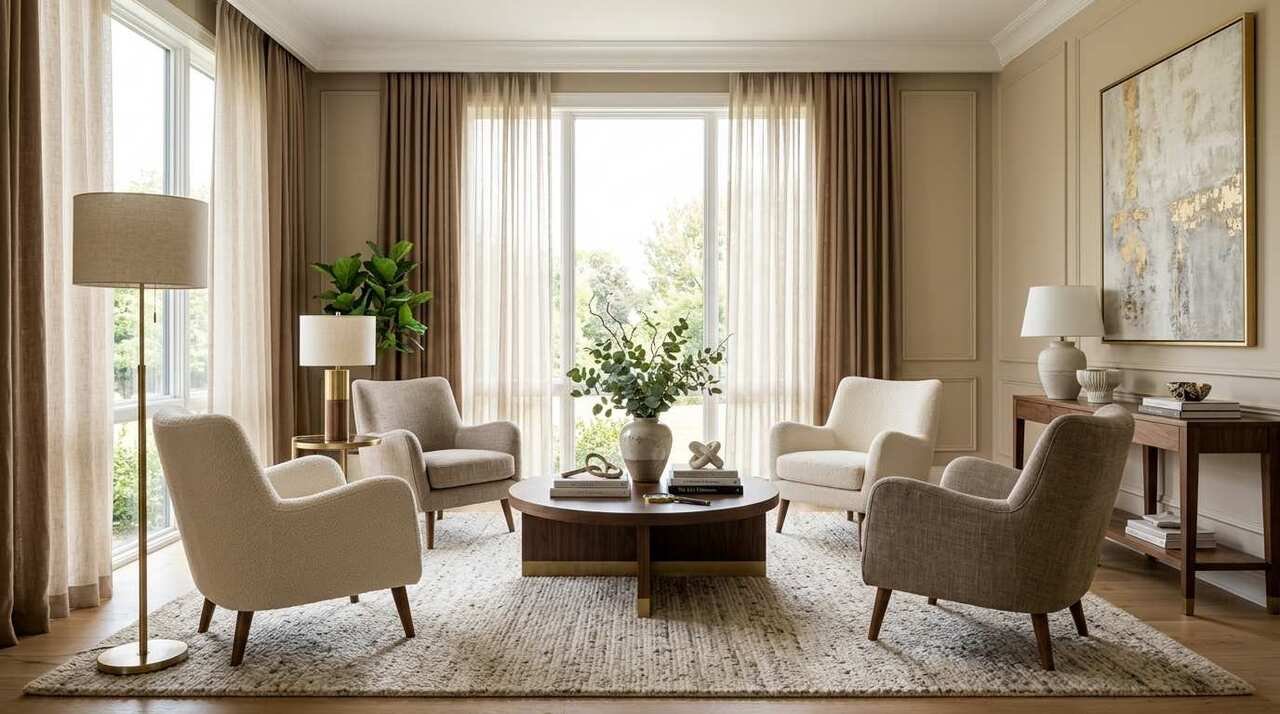
A neutral sofa is an excellent foundation. We can introduce contrast through cushions, throws, rugs, artwork, and occasional chairs.
For warm wood, cream, beige, camel, olive, terracotta, and muted brown accents work particularly well. For dark wood, lighter upholstery and metallic details can prevent the space from feeling visually heavy.
The best results usually come from repeating the wood tone subtly elsewhere in the room through a coffee table, shelving, side table, picture frame, or decorative accessory.
Final Thoughts on Wood Wall Design Ideas
Wood wall design ideas give us an exceptionally versatile way to transform a living room. From sleek contemporary slats and elegant oak panels to rustic reclaimed boards and dramatic dark walnut, there is a wood treatment for almost every interior style.
The most successful designs consider the entire room rather than treating the wall as an isolated decoration. We can balance timber with appropriate lighting, furniture, flooring, textiles, greenery, and complementary materials to create a cohesive interior.
Whether we choose a subtle half-wall treatment or a dramatic floor-to-ceiling installation, natural wood can bring warmth, texture, character, and timeless sophistication to the living room.

Leave a Reply